
Reviewed · CATANIA STREET FOOD & FISH MARKET WALKS
Catania Street Food Tour
Street food meets serious Catania landmarks. This 3-hour guided walk by Kemedia strings together big sights like Piazza Duomo with real local eating, so you’re not just tasting you’re also understanding where the food belongs. I especially love the way the route anchors snacks to Baroque Catania, from St. Agata’s Cathedral to the Liotru obelisk. And I love the guaranteed Sicilian comfort-food parade: arancini, cipollina, cannolo, and granita in one afternoon.
One thing to keep your expectations realistic: it’s a tasting tour, so portions can feel small if you’re expecting a full restaurant meal. Also, if you’re in a group that’s handling both English and Italian moments, the pace can feel a bit stop-and-start.
In This Review
- Key Things To Know Before You Go
- From Piazza Duomo to St. Agata’s Cathedral: why the walk starts here
- The “Market to Food” flow: how you actually taste Catania
- Via Crociferi: Baroque architecture, plus the practical payoff
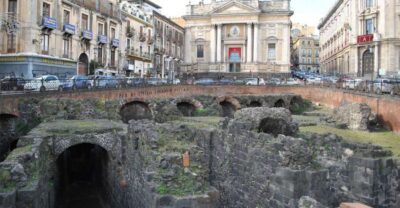
- Piazza Stesicoro and the Roman amphitheater ruins: eating with context
- Pasticceria Savia: arancini and the cipollina you should not miss
- Chiosco Costa and the seltz: a small break that changes the rhythm
- Port area stop: grilled horse-meat meatballs
- The finish: real cannolo or Sicilian granita
- Price and value for a 3-hour street-food route
- Guides, pacing, and what to watch for
- Who this tour suits best (and who should skip it)
- Should you book the Catania Street Food Tour?
- FAQ
- Where is the meeting point for the tour?
- How long is the Catania Street Food Tour?
- How much does the tour cost?
- What languages is the live guide available in?
- What’s included in the price?
- What is not included?
- What food and drink stops should I expect?
- What main sights are covered during the walk?
- Is this tour suitable for people with mobility impairments?
- Is there free cancellation and a reserve-and-pay-later option?
Key Things To Know Before You Go
- Piazza Duomo first: You start where Catania’s Baroque identity is loudest, with the cathedral, Town Hall, and the Amenano fountain in view.
- Liotru (the elephant) moment: Seeing the Obelisk of the elephant early helps the rest of the walk click into place.
- Via Crociferi’s church-lined street: This is a short stretch of baroque architecture that many filmmakers have used as a visual backdrop.
- Pasticceria Savia stop: This is built around arancini, plus the signature cipollina with puff pastry, tomato, mozzarella, ham, and onion.
- Market-to-port contrasts: You shift from cheeses and olives into a city-market vibe, then finish near the port area with grilled horse-meat meatballs.
- Sweet finish and a memento: You end with real cannolo (ricotta filling) or granita, and you receive a gift listing the treats you’ve sampled.
From Piazza Duomo to St. Agata’s Cathedral: why the walk starts here
The meeting point is Piazza Duomo 18, in front of the pharmacy, and that spot matters. Piazza Duomo is the visual heart of the city, so before your first bite you’re already seeing how Catania’s Baroque spirit shapes daily life.
You’ll get brief guided orientation at the Catania Cathedral area, then the tour keeps feeding your eyes. Expect the Town Hall on the square, St. Agata’s Cathedral, and the Amenano fountain, all wrapped into an area where people are used to moving at street pace. If you like travel that teaches you how a place works, this start does that well: you learn the city’s key symbols while your stomach stays patiently ready.
I also like that the elephant obelisk, known as Liotru, is included as a stop rather than a random landmark. Seeing it early helps you understand why locals treat certain monuments like living references, not just statues to pose by.
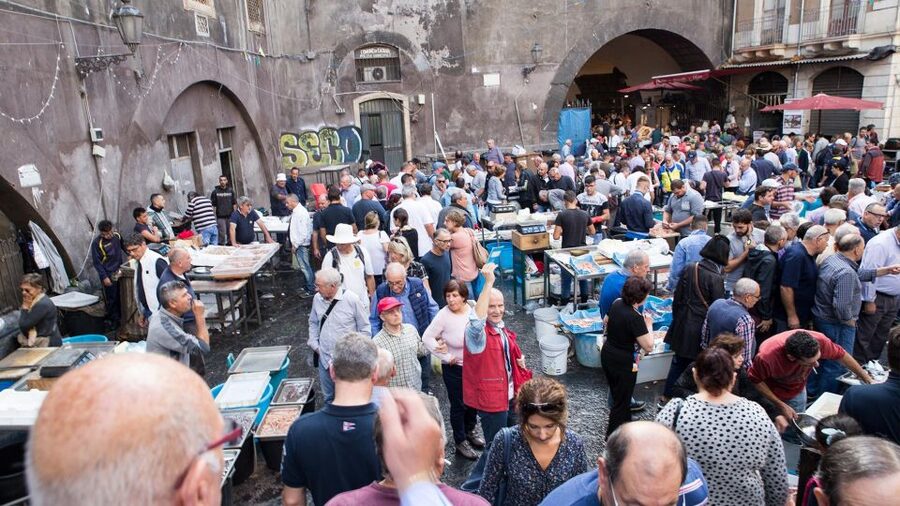
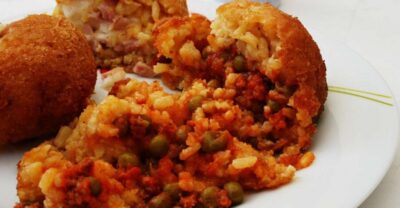
Back into the Pescheria fish market for arancini and street food.

The “Market to Food” flow: how you actually taste Catania
After the cathedral square, the route turns toward market life—where eating stops being a special occasion and becomes normal. At the market area, the goal isn’t just filling your plate. It’s tasting staples you’d recognize in a Sicilian kitchen: cheeses, olives, and oil.
Here’s what I think makes this part work for most people: the guide frames why these ingredients travel well and show up in street food. Oil and olives aren’t side notes in Sicily; they’re part of the flavor baseline. And cheese tasting helps you notice differences in saltiness, texture, and how it pairs with bread and warm pastries later on.
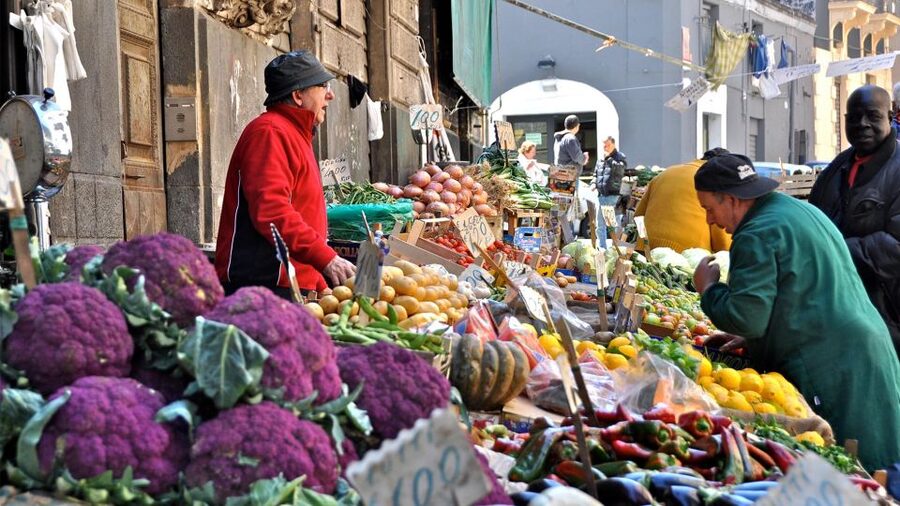
This part of the tour is also where you’ll likely start building a mental checklist. As you move from baroque squares into a market corridor, your brain starts connecting scenery to ingredients. That makes later stops—like the pastry counter and the sweet finish—feel like payoff instead of random samples.
Via Crociferi: Baroque architecture, plus the practical payoff
Via Crociferi is one of those streets where the buildings do half the storytelling for you. You’ll walk along the stretch guided by the tour, taking in the baroque churches and the architectural details that have also shown up in Italian film imagery.
The practical payoff here is simple: it keeps the tour from becoming a string of food stops with no breathing room. You get short guided breaks where the guide explains what you’re seeing, then you’re back to eating.
One small caution: this is still a walking tour on downtown streets. The route is meant for sightseeing pace, not for long pauses. If you need frequent seating breaks or you find uneven sidewalks tough, you’ll want to take that seriously when you book.
Piazza Stesicoro and the Roman amphitheater ruins: eating with context
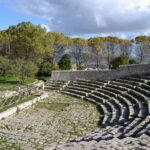
Next comes Piazza Stesicoro, with a stop positioned in front of the ruins of the Roman amphitheater. This is a clever placement. You go from medieval and Baroque layers back toward older Roman presence, and it helps you picture Catania as a city built over time, not a museum frozen in one era.
Why that matters on a food tour: Sicilian street food carries older patterns of trade and everyday eating. When you can see the city’s time layers, the food starts to feel less like snacks and more like a tradition with roots.
Even if you’re not a “history details” person, you’ll probably appreciate the variety of scenery. The tour keeps changing your view every few stops, which makes the 3 hours feel active rather than monotonous.
Pasticceria Savia: arancini and the cipollina you should not miss
The big named-food moment is Pasticceria Savia. This is where the tour earns its reputation for classic Catania comfort food.
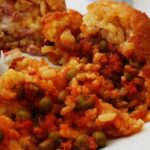
Expect the arancini stop built around the idea of the city’s finest arancini. Arancini are the kind of food that can taste different from place to place depending on how they’re formed and fried, and this stop is structured so you taste that difference under guidance. If you’ve only had arancini outside Sicily, this is the chance to reset your expectations.
Then comes the standout pastry called cipollina: puff pastry filled with tomato, mozzarella, ham, and onion. If you like savory pastries with a clear ingredient list, you’ll enjoy this. It’s not trying to be fancy; it’s built to satisfy, with flavors that make sense together.
Portion reality check: it’s a tasting tour, so you’re not getting a full menu meal. You’re getting enough to understand what makes that bakery famous, without overstuffing you before the later stops.
More Catania food and drink to seek out.



Chiosco Costa and the seltz: a small break that changes the rhythm
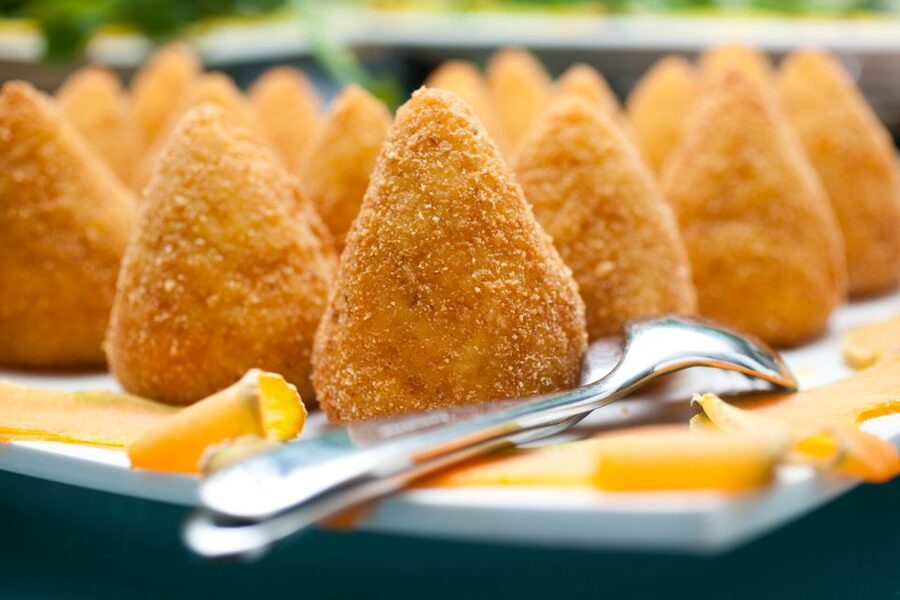
After the pastry and snack phase, you head through the city market atmosphere again and make it to Chiosco Costa. Here the tour focuses on a fresh sparkling drink called seltz.
This might sound like a minor add-on, but it actually helps the pacing. Between fried and pastry-heavy bites, a chilled sparkling drink resets your taste buds and makes the next savory course feel cleaner, not heavy.
It’s also a nice reminder that street food tours aren’t only about eating. They’re about timing—how you move from one flavor mode to the next.
Port area stop: grilled horse-meat meatballs
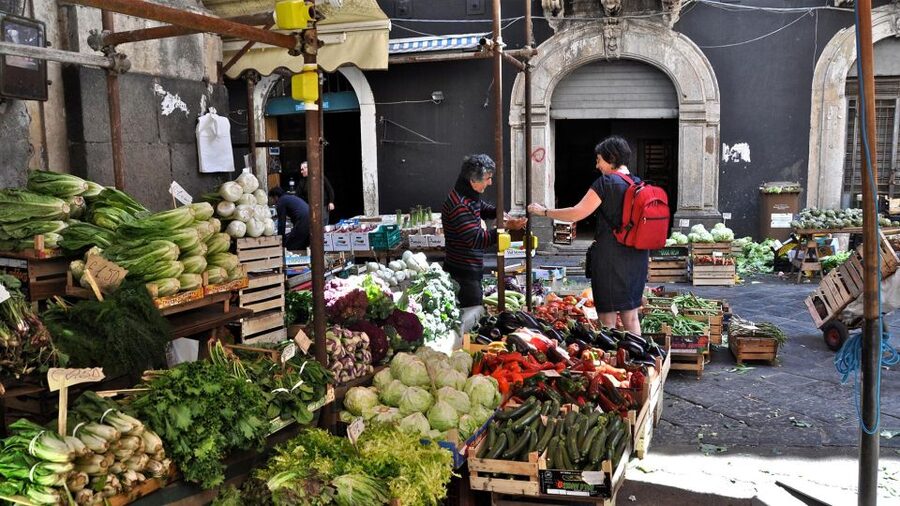
As you head toward the port area, you’ll get a stop featuring grilled horse-meat meatballs. This is the part of the tour that’s most likely to divide people by preference, not by quality.
If you’re open-minded about regional foods and you want to eat what locals actually consider normal in that context, this makes the tour more memorable. If not, you still get the educational value of trying a Sicilian street classic tied to local tradition.
Either way, this is also a good time to slow down and pay attention to seasoning and texture. Meatballs are simple on paper, but in practice they depend on spice blend and grilling. This stop is one of the reasons the tour doesn’t feel like a repeat of the same flavors.
The finish: real cannolo or Sicilian granita
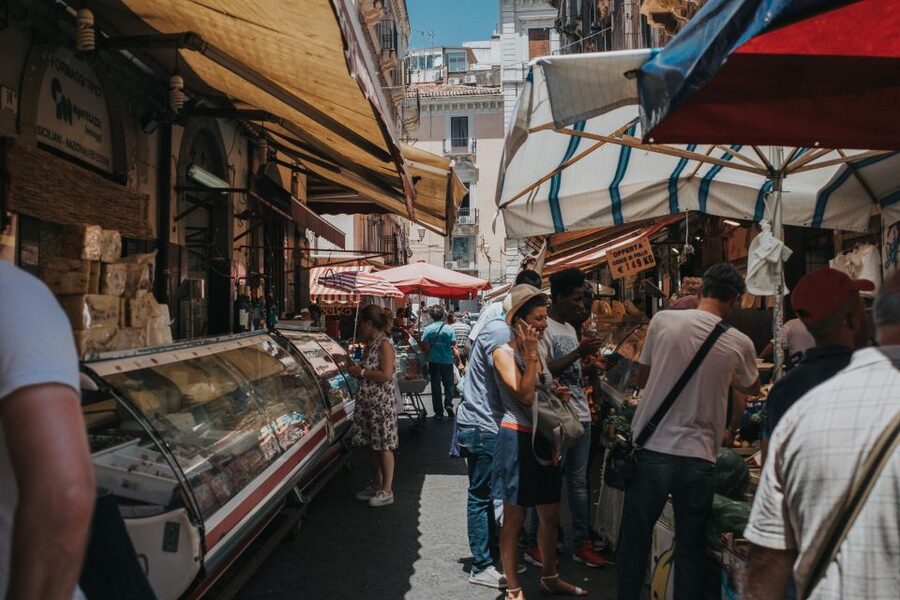
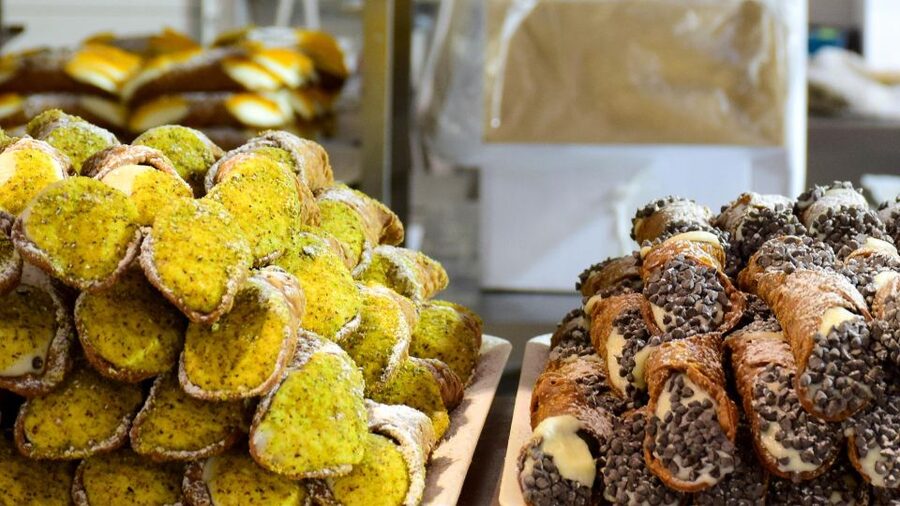
You end with the sweet payoff: cannolo filled with ricotta, or Sicilian granita. This is where your taste memories start lining up.
Cannolo is a test of balance: crisp shell against creamy ricotta, and enough sweetness to feel indulgent but not syrupy. Granita is different—more about cold texture and flavor clarity. If you’ve had granita elsewhere, Sicily’s version often feels more direct and less perfumed.
The tour also includes a special gift that lists the treats you ate. That’s more useful than it sounds. When you’re packing up your trip memories later, you can remember exactly what you tasted without relying on a fuzzy recollection.
Price and value for a 3-hour street-food route
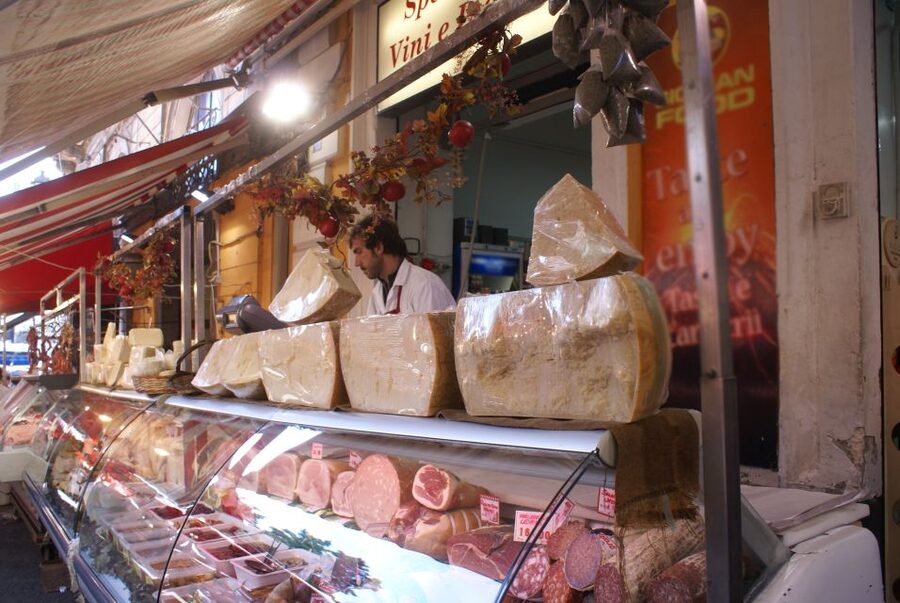
At $74 per person for a 3-hour walk, this tour sits in the mid-to-upper range for urban food experiences. The reason I see it as fair value is that you’re paying for more than food.
You’re getting:
- Food and drink across multiple stops (not just one sit-down tasting)
- A live guide in Italian and English
- Multiple key Catania monuments along the way, including Piazza Duomo, St. Agata’s Cathedral area, Liotru, and Via Crociferi
- A defined route that mixes market ingredients with pastry and street snacks
Entrance fees aren’t included, and that matters if you expect monument entry. But the value still holds because the major sites are experienced through the walking and guided explanation, not through ticketed museum time.
You should also know why some reviewers felt portions were smaller: the logic of a 3-hour tour is to keep moving. That means fewer “full meal” portions, more “try and compare” bites. If you want a long, slow dinner, this isn’t it. If you want a guided sample platter across classic Catania flavors, it’s a solid deal.
Guides, pacing, and what to watch for
Guide quality seems to be a strong point. Names show up in the form of friendly, informative guides (Alessandra is noted for being welcoming and helpful; Smid stands out for keeping the group engaged and interested; Serena and Anna also received praise for doing a good job with instruction and knowledge). That’s the difference between a food tour that feels like a checklist and one that feels like Catania made understandable.
Still, there are two practical pacing considerations from the experience itself:
- If there’s a language mix, you might notice more time spent translating the same information.
- The tour can occasionally run a bit late between early stops, which can shift your timing.
None of that ruins the tour, but it’s good to know so you don’t start the day stressed.
Who this tour suits best (and who should skip it)
This is a great fit if you:
- Want Sicilian classics in a tight time window
- Like walking tours that include real landmarks, not just restaurant names
- Prefer tasting several items rather than ordering one heavy meal
It’s less ideal if you:
- Need lots of mobility support, since it’s not suitable for people with mobility impairments
- Get cranky when portions are small by design
- Are looking for a single-language, perfectly uninterrupted flow
If you plan to eat big on your own afterward, build your day around this as your main food hit.
Should you book the Catania Street Food Tour?
I’d book it if your goal is to understand Catania through food and key sights in one coordinated loop. The route makes sense: you start in Piazza Duomo’s Baroque center, move through markets for ingredients, hit a named pastry stop at Pasticceria Savia, then finish with sweet classics like cannolo or granita.
Skip it or think twice if you want guaranteed large restaurant portions or if you know you’ll be frustrated by small delays or translation time. For the price, though, it’s a fair trade for a guided mix of street bites, market flavors, and monuments you’ll recognize even after the tour is over.
FAQ
Where is the meeting point for the tour?
You meet in Piazza Duomo, 18 Catania, in front of the pharmacy.
How long is the Catania Street Food Tour?
The tour lasts 3 hours.
How much does the tour cost?
The price is $74 per person.
What languages is the live guide available in?
The guide runs in Italian and English.
What’s included in the price?
Food and drink are included, along with a live guide.
What is not included?
Hotel transfers and entrance fees are not included.
What food and drink stops should I expect?
You’ll taste cheeses, olives, and oil; arancini; cipollina (puff pastry with tomato, mozzarella, ham, and onion); a seltz sparkling drink at Chiosco Costa; grilled horse-meat meatballs; and a final sweet choice of cannolo with ricotta or Sicilian granita.
What main sights are covered during the walk?
You’ll see sights around Piazza Duomo, including St. Agata’s Cathedral area, the Liotru obelisk, and the Amenano fountain, plus Via Crociferi and the Roman amphitheater ruins area at Piazza Stesicoro.
Is this tour suitable for people with mobility impairments?
No. It is not suitable for people with mobility impairments.
Is there free cancellation and a reserve-and-pay-later option?
Yes. You can cancel up to 24 hours in advance for a full refund, and you can reserve now and pay later.
More Tours in Catania





More Tour Reviews in Catania


More Catania Street Food Walks

After something different? More tours and day trips around Catania and eastern Sicily









Catania Street Food & Fish Market Walks, compared.
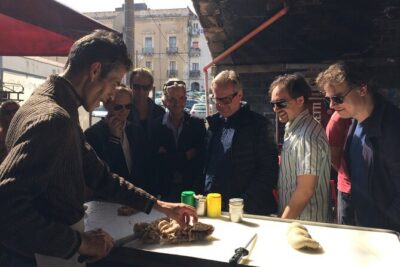 ★ 5.0The Original Catania Street Food and Market Tour by StreatyFrom $71345 reviews
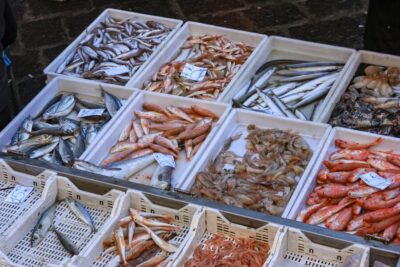 ★ 4.9Street Food Guided Walking TourFrom $56326 reviews
 ★ 4.7Guided Street Food Walking TourFrom $58300 reviews
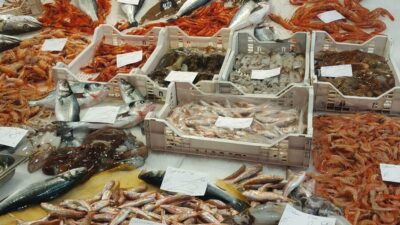 ★ 4.9Catania Street Food Tour: Fish Market & City CentreFrom $55104 reviews
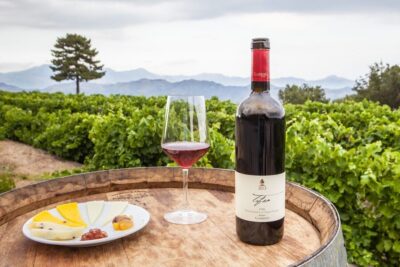 ★ 4.9From Taormina: Private 3 Etna Wineries with Food & WineFrom $29671 reviews
 ★ 4.7Street Food Walking TourFrom $5060 reviews
 ★ 4.7Underground and Street Food Walking Tour56 reviews
 ★ 5.0Market Tour and Cooking Class with Chef RiccardoFrom $16940 reviews
Browse the lists this tour appears in