
Reviewed · ETNA VOLCANO TOURS FROM CATANIA
Mount Etna: Guided Trek 3,000 Meters to the Summit
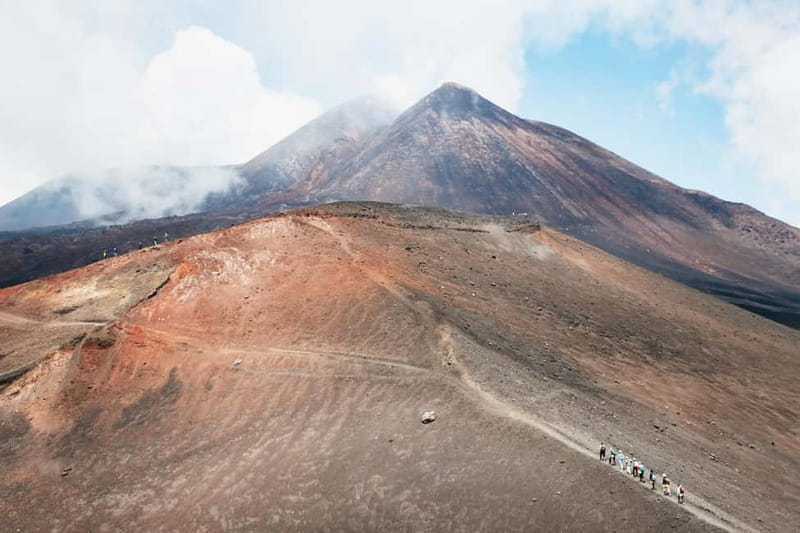
Etna feels like another planet. I love the way this trek combines volcanologist-led explanations with real, up-close summit views, and I especially love the payoff of reaching the 3,000m crater zone on Europe’s tallest active volcano. It’s not just photos. You get to understand what you’re standing on.
One thing to keep in mind: conditions can turn fast. The route and timing are subject to change if wind, weather, or volcanic risk gets in the way, and the top area can feel exposed and harsh.
In This Review
- Key things that make this Etna 3,000m summit trek worth your time
- Why the Etna 3,000m summit feels different from a normal hike
- Meeting at La Terrazza Dell’Etna and using the cable car to cut the climb
- The guided hike up to the summit craters: volcanic footing and smart pacing
- The crater zone payoff: views around the summit and the 2001 Crater at 2,700m
- Cable car down, lunch break, and the 2,500m return rhythm
- What you actually get for your money: guide, poles, helmets, and Etna insurance
- Who this Etna summit trek fits best (and who should skip it)
- Weather, volcanic risk, and why you should bring flexibility
- What to pack for a 3,000m Etna day (so you’re not miserable at the top)
- Should you book this Etna guided summit trek?
- FAQ
- How long is the Mount Etna guided trek to 3,000 meters?
- Where do you meet, and where does the tour end?
- How long is the cable car ride?
- Is this trek suitable for everyone physically?
- What’s included in the tour price?
- Do I need to pay extra for the cable car ticket?
- What should I bring?
- Are contact lenses allowed?
- Who is the tour not suitable for?
- What happens if weather or volcanic conditions are unsafe?
Key things that make this Etna 3,000m summit trek worth your time
- Cable car lift to about 2,500m saves energy before the main climb
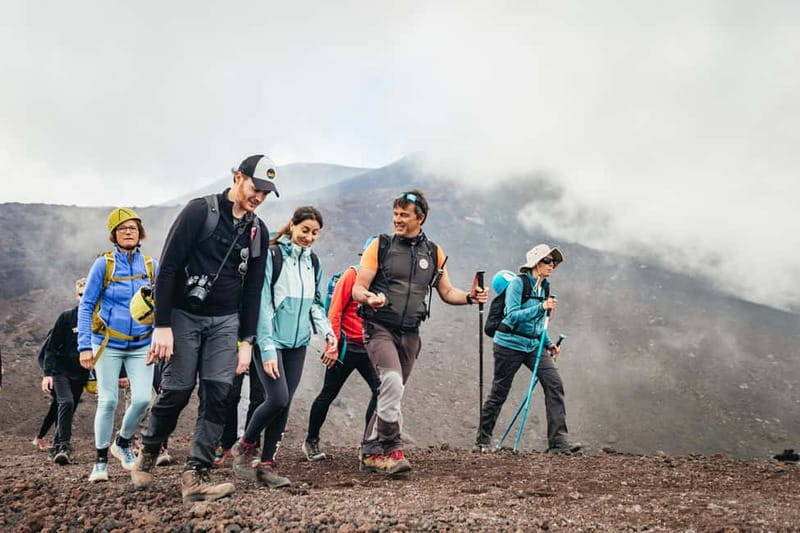
- Two blocks of hiking (around 2 hours, then about 1.5 hours) across volcanic ground
- 2001 Crater at 2,700m still fumes—bring a plan for wind and gases
- Helmets, trekking poles, and insurance are included, which makes the day feel more secure
- Guides set the pace and keep groups moving comfortably (some guides like Luca, Marco, and Manuel get singled out for humor and solid crater explanations)
Why the Etna 3,000m summit feels different from a normal hike
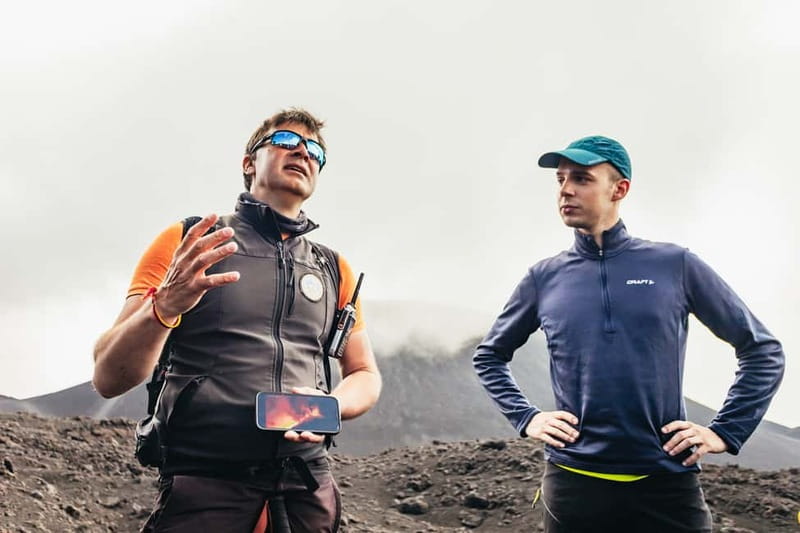
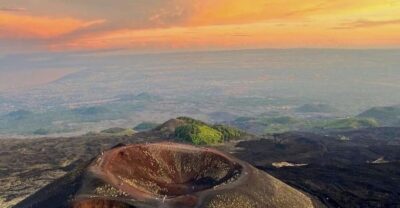
Mount Etna isn’t a dormant landmark. It’s an active system, and that changes the whole vibe of the day. You’re not walking through a tidy nature park. You’re moving across old and recent lava terrain, with the summit area still sending up activity—especially around the 2,700m point tied to the 2001 Crater, which still fumes to this day.
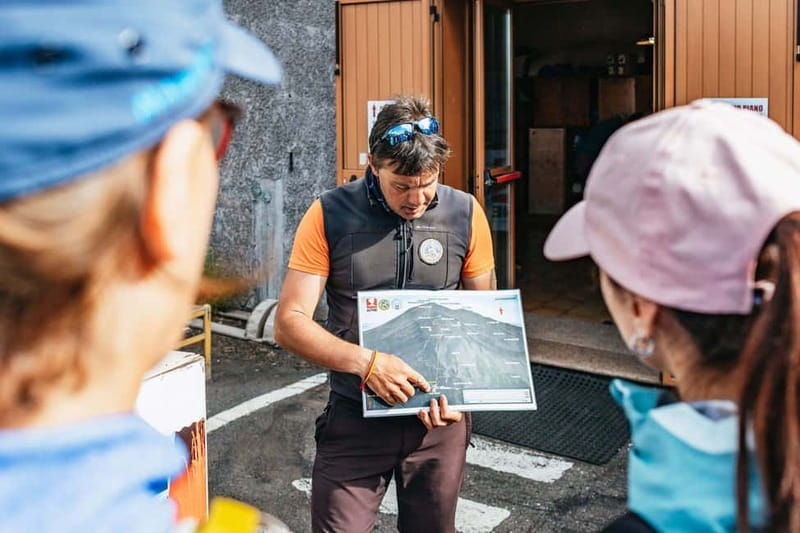
What I like most is that the hike is paired with real interpretation. A volcanologist guide doesn’t just point at rocks. They help you connect what you see—lava flow features, crater shapes, and the meaning of different volcanic zones—with the bigger story of how Etna works. It makes the views feel earned instead of random.
The other reason this trek hits is the altitude. Reaching the summit crater zone around 3,000 meters puts you above the “pretty volcano” layer and into the “this is geology in action” layer. Even if you know Etna from photos, you’ll understand it differently when you’re high in the crater landscape, feeling the wind and seeing where the ground came from.
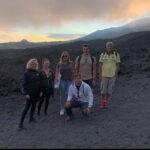
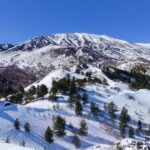
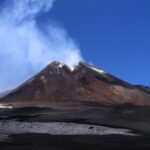
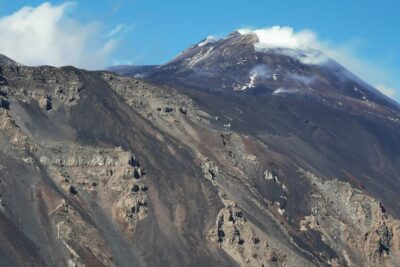
Back up the volcano, with Etna smoking above Catania.
Meeting at La Terrazza Dell’Etna and using the cable car to cut the climb
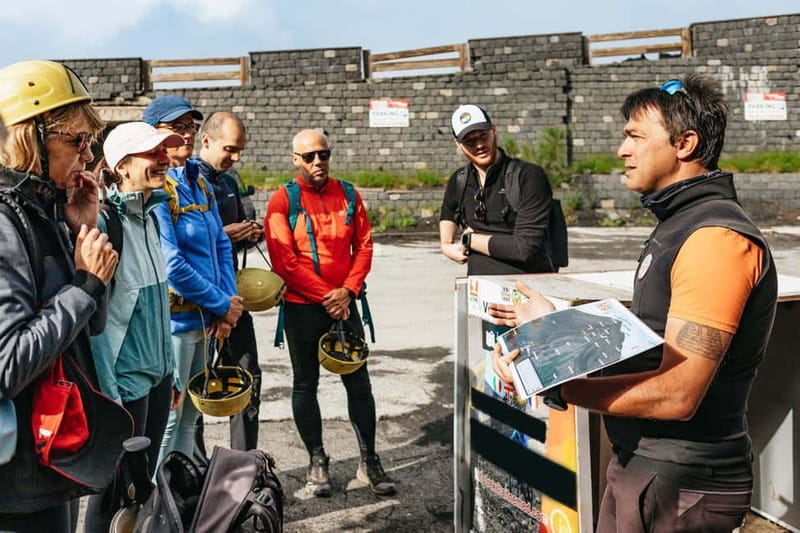
Your day starts at La Terrazza Dell’Etna, and from there you follow the briefing and head toward the cable car. The cable car ride takes about 20 minutes, and it lifts you to roughly 2,500m.
That part matters more than it sounds. With a day total of about six hours, getting that initial altitude boost helps you save energy for the crater section, where footing can be irregular and surfaces can be exposed. You also get that big-arrival feeling sooner, before the hike gets serious.
One practical note: the information provided includes a bit of inconsistency about the cable car ticket. Some details say the cable car ticket is included, while another note says it’s 50 EUR paid on site. Before you go, I strongly suggest you check your booking confirmation and any day-of instructions so you’re not surprised at the ticket desk.
The guided hike up to the summit craters: volcanic footing and smart pacing
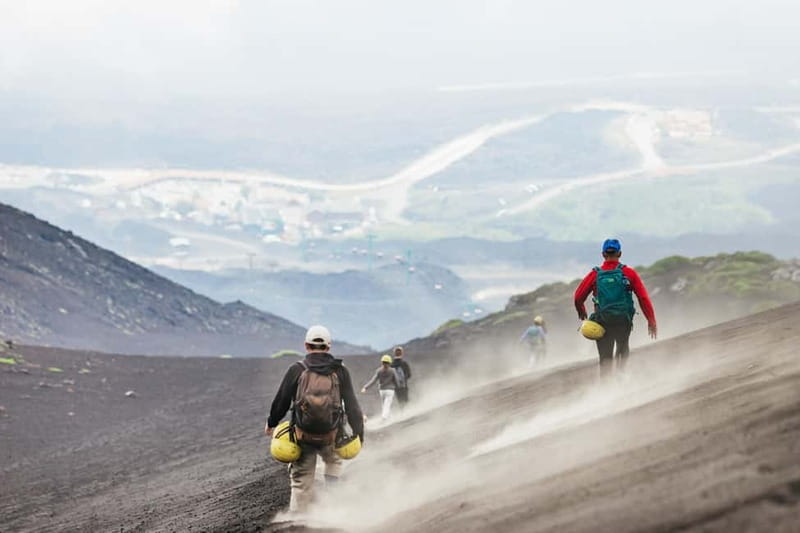
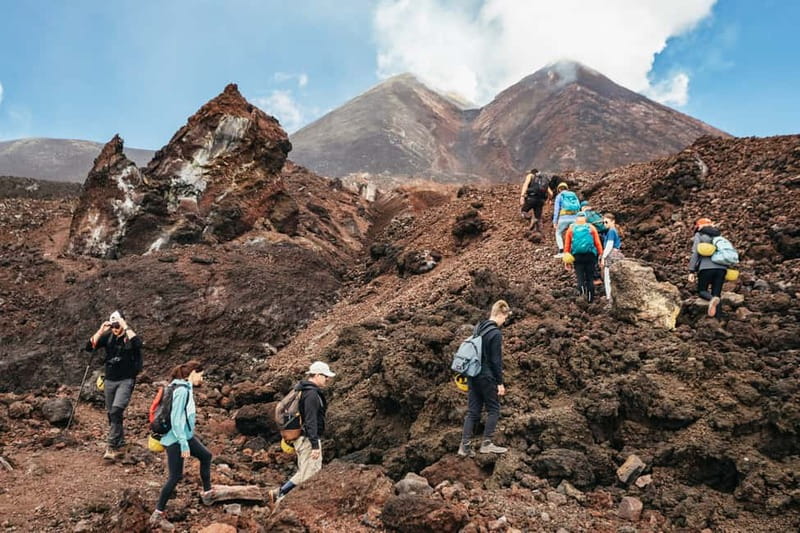
Once you reach the higher drop-off point, the trek turns into a two-part climb. You’ll hike toward the summit area up around 3,000m, and then continue with another hiking segment that brings you around the summit crater zone.
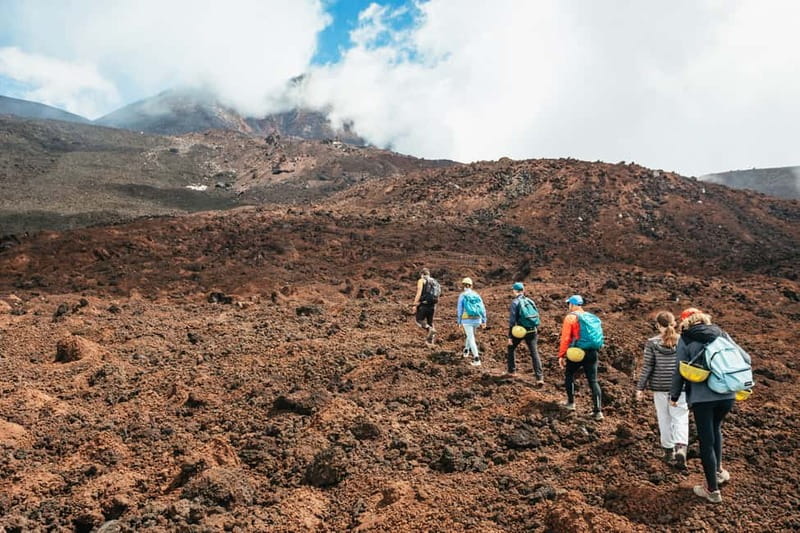
Expect terrain that isn’t just dirt-and-grass. This route can include walking on sand and rock when there are no trails, and some parts may be exposed. That doesn’t mean technical mountaineering. It does mean you should be comfortable placing your feet carefully and keeping balance when the ground shifts from solid rock to looser volcanic material.
This is also where the guide earns their keep. A good volcanologist guide helps you move with confidence, not just information. In the same spirit, I’ve seen guides described as balancing different fitness levels and keeping the pace right—so the slower hikers aren’t left behind, but the faster hikers still feel like the day flows.
If you’re someone who hates “stop, go, stop” hiking, you’ll still find stops for explanations. But the pauses are useful: you’re learning why you’re at this specific spot, what the surface might tell you, and what the active features mean.
The crater zone payoff: views around the summit and the 2001 Crater at 2,700m
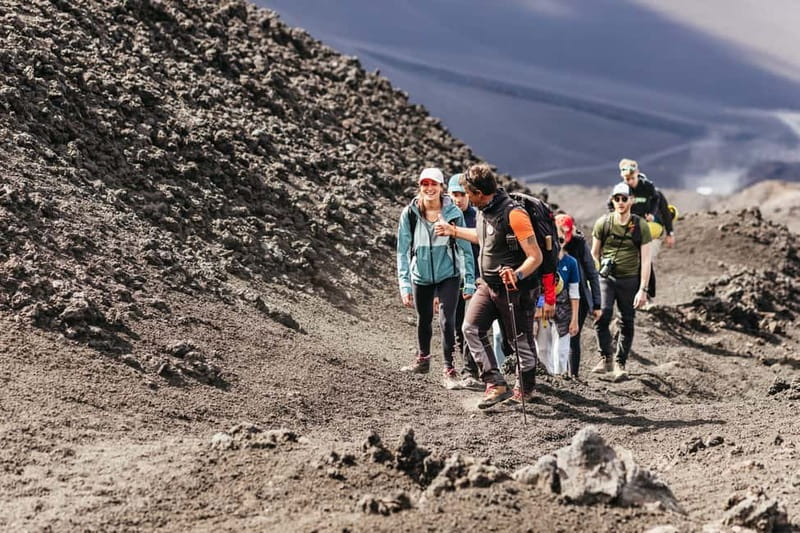
The summit craters are the reason people book this trek, and the day is designed to put you near them without making the whole trip a straight endurance grind. After you’ve climbed to the crater base area and taken in the big views, you’ll begin descending back toward the earlier elevation point—typically around 2,500m.
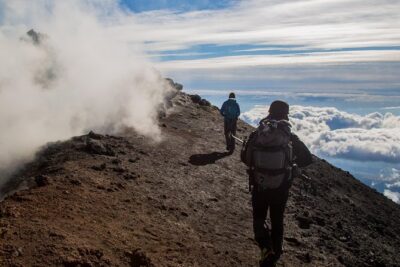
Along the way, there’s a stop at the 2001 Crater at about 2,700m, which continues to fume. This is where your comfort habits matter. If the wind shifts, you might get hit with gases, so think practical: sunglasses help with light glare, and you may want something that can cover your nose and mouth if conditions get strong. Several trip accounts specifically suggest bringing a face covering for times when gases blow your way.
Also, don’t underestimate how quickly the summit area can feel cold. Even in warmer months, wind at altitude can cut fast. The tour guidance calls for warm layers and windproof clothing, and it’s good advice because you’ll be standing around for views and explanations.
Cable car down, lunch break, and the 2,500m return rhythm
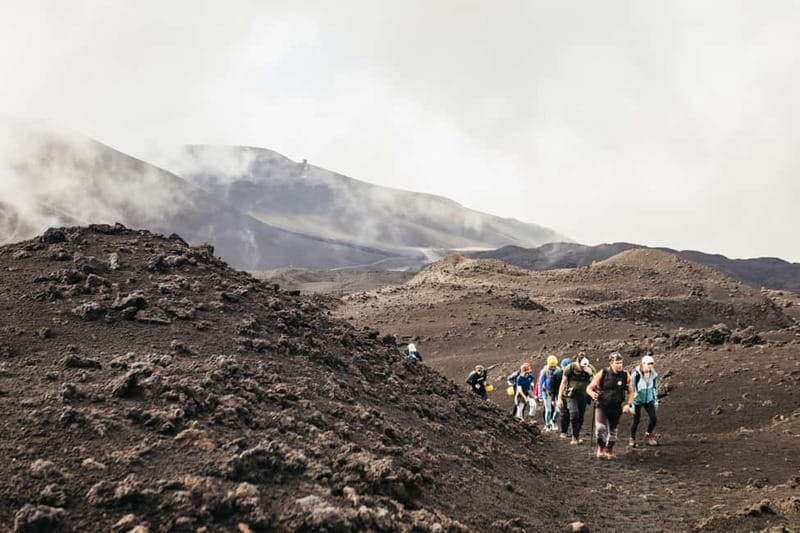
Your descent brings you back toward the cable car level, and you’ll likely have time for a break for lunch, though lunch is not included. This part of the day is often where people decide whether they’ll enjoy the trip or just survive it.
Here’s a simple approach: treat lunch as recovery, not a race. If your legs feel heavy, it’s better to eat, hydrate, and take a minute than to push straight back into the final stretch. Descents on volcanic ground can feel tougher than climbs, partly because you’re managing balance while your muscles get tired.
The timing is also why this is listed as a six-hour experience. You’ll finish at the original meeting point, back at La Terrazza Dell’Etna. That clean end matters if you’ve got a dinner reservation in town right after.
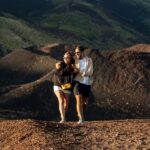
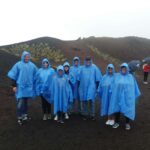
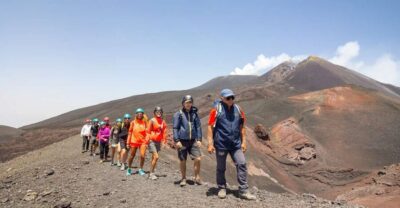
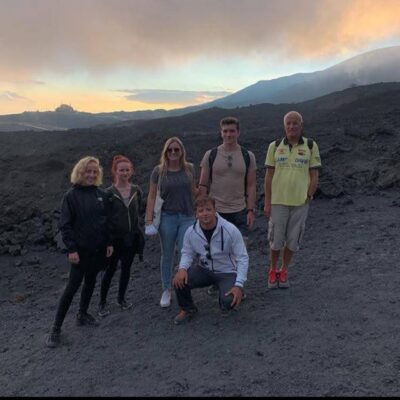
Higher up Etna on foot, towards the summit craters.
What you actually get for your money: guide, poles, helmets, and Etna insurance
At about $113.29 per person, the big value isn’t just the views. It’s the combination of support and safety gear.
Included items are:
- A live guide
- Helmets
- Trekking poles
- Cable car ticket (noting the conflicting ticket info mentioned earlier)
- Insurance
Those included items can save money on rentals and reduce friction on a day where you’re wearing boots on uneven surfaces. Trekking poles help a lot on volcanic descents and unstable ground. Helmets are a reminder you’re not walking through a casual hiking zone.
Where the “value” calculation gets real for you: this is a tour where the guide’s role is both educational and practical. A volcanologist guide can steer you toward the most meaningful crater perspectives and help your group move safely. If you have any doubts about your ability to read the terrain, that guidance can be worth far more than the difference between a self-guided option and a guided trek.
Who this Etna summit trek fits best (and who should skip it)
This trek is listed for people with medium physical training, with the understanding that you may walk on sand and rock when trails aren’t defined. You should also expect parts of the route to be exposed.
It’s not suitable for:
- Children under 10
- Pregnant women
- People with mobility impairments
- People with heart problems
- People with vertigo
- People with respiratory issues
So if you’re looking for a high-energy, steady outdoors day, this can be a great match—especially if you’re comfortable in rugged terrain and can handle wind and altitude.
On the group side, guide stories often mention the pace being adjusted so mixed-ability groups don’t fall apart. That’s a good sign. You still need to bring your own stamina, but the day doesn’t seem designed for only one fitness type.
Weather, volcanic risk, and why you should bring flexibility
This tour is run in a living environment. The schedule can change—or the activity can be interrupted—at the guide’s discretion for weather conditions, environmental causes, or volcanic risks.
That’s not a deal-breaker if you plan smart. It means you should:
- Avoid booking a tight connection right afterward
- Wear layers you can handle if temperatures swing
- Assume the crater area can be windy
Wind is also why face and sun protection matter more at Etna than at lower hikes. The top can feel like it’s constantly moving air, and that’s when gases and dust can become noticeable. The tour guidance also specifically says contact lenses are forbidden because volcanic ash is spread by the wind. If you wear contacts, switch to glasses for the day.
What to pack for a 3,000m Etna day (so you’re not miserable at the top)
The tour guidance is practical, and I’d follow it closely:
Bring:
- Hiking shoes with grip
- Sunglasses
- Sunscreen
- Warm clothing
And add the extras that make a summit-crater visit actually pleasant:
- Extra layers: a pullover and anorak
- Gloves and a hat
- An extra T-shirt and long trousers (recommended)
- A 10 to 20-liter backpack
- At least 1.5 liters of water
- A snack
- A packed lunch
Footwear deserves special attention. Wear boots with high socks so pebbles don’t work their way down. Long pants that cover the tops of the boots also help keep volcanic bits from getting inside.
Also: trekking poles are recommended, and you’ll have them available with the tour. Still, it helps to know how you’ll use them on downhills.
Should you book this Etna guided summit trek?
Book it if you want:
- A true summit crater experience on Europe’s tallest active volcano
- A guided day that explains what you’re seeing, not just where to stand
- A structured challenge with the right support gear (helmets, poles, guide)
Think twice or pick a different day if:
- You have vertigo, respiratory issues, heart problems, or mobility limits
- You don’t do well on exposed, uneven ground
- You rely on contact lenses (you’ll need glasses instead)
My bottom line: for the price, the value comes from the guide plus the safety and comfort support gear, and the payoff comes from standing high at active crater terrain—especially with that 2001 Crater stop at 2,700m. Just double-check the cable car ticket situation in your confirmation, and dress for wind and cold.
FAQ
How long is the Mount Etna guided trek to 3,000 meters?
The activity lasts about 6 hours.
Where do you meet, and where does the tour end?
You start at La Terrazza Dell’Etna, and the tour ends back at the same meeting point.
How long is the cable car ride?
The cable car portion is listed as about 20 minutes.
Is this trek suitable for everyone physically?
It’s suitable for people with medium physical training. Some parts of the path may be exposed, and you should be accustomed to walking on sand and rock when there are no trails.
What’s included in the tour price?
Included items are the guide, helmets, trekking poles, cable car ticket, and insurance.
Do I need to pay extra for the cable car ticket?
The details you provided include both cable car ticket included and a note that the cable car ticket (50 EUR) is paid on site. Check your confirmation carefully so you know what applies to your specific booking.
What should I bring?
Bring sunglasses, hiking shoes, sunscreen, and warm clothing. You should also plan for extra layers and a backpack with enough water, snacks, and a packed lunch.
Are contact lenses allowed?
No. Contact lenses are forbidden due to volcanic ash spread by the wind.
Who is the tour not suitable for?
It’s not suitable for children under 10, pregnant women, people with mobility impairments, people with heart problems, people with vertigo, or people with respiratory issues.
What happens if weather or volcanic conditions are unsafe?
Schedules are subject to change or be interrupted at the discretion of the guide if weather, environmental causes, or volcanic risks present any danger.
More Tour Reviews in Catania
More Etna Summit Hikes and Treks
More Etna Volcano Tours from Catania
After something different? More tours and day trips around Catania and eastern Sicily

Etna Volcano Tours from Catania, compared.
 ★ 4.8Mount Etna Morning or Sunset Day Trip with TastingFrom $704,028 reviews
 ★ 4.7Guided Volcano Summit Hiking Tour with Cable CarFrom $1243,784 reviews
 ★ 4.8Sunset Jeep Tour of Mount Etna and Lava Flow CavesFrom $712,113 reviews
 ★ 4.8Etna and Alcantara Gorges Full-Day Tour with LunchFrom $1051,766 reviews
 ★ 4.7Etna Volcano: South Side Guided Summit HikeFrom $671,545 reviews
 ★ 4.9Mount Etna Trekking Trip off the Tourist PathFrom $781,351 reviews
 ★ 4.8Etna Sunset Tour with Pickup and Drop-offFrom $711,348 reviews
 ★ 5.0Mt. Etna and Taormina village full day tour from CataniaFrom $1181,155 reviews
Browse the lists this tour appears in