
Reviewed · ETNA VOLCANO TOURS FROM CATANIA
Catania: Mount Etna Trekking Trip off the Tourist Path
Etna feels wild when you leave the crowds. This 7-hour Mount Etna hike takes you off-road past lava flows and into the Valle del Bove caldera, plus a look at the volcano’s more active zone. It’s the kind of day where the scenery changes fast, but the plan stays simple.
I really like how the trip is built around a naturalist guide who connects geology to the living stuff on the slopes. You also get practical help that makes a difference at altitude, including trekking poles, shoes, and warm layers.
The main consideration: this is real hiking at roughly 1850–2400 meters, and the lava cave stop can be canceled if conditions turn unsafe due to tremors or eruptions.
In This Review
- Key highlights to know
- Why This Off-Tour Etna Hike Feels More Like Adventure
- Route and Stops: From McDonald’s to Valle del Bove
- Trazzere and the Lava-Flow Story You Can Actually Walk On
- Valle del Bove: Walking the Big Etna Caldera
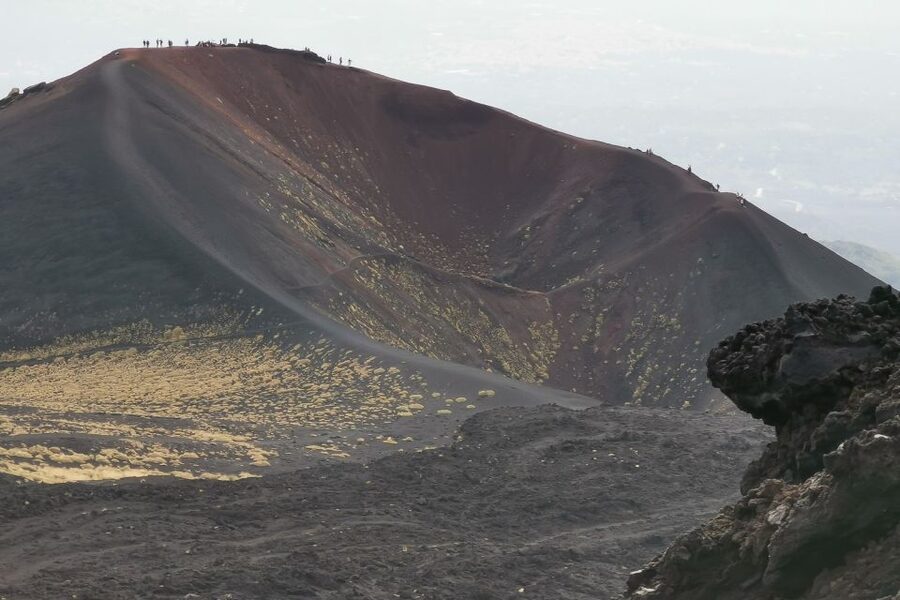
- Silvestri Craters: Seeing the Active Side (Then Resting)
- Lava Cave Stop: A Nice Bonus With Real Safety Limits
- Gear, Clothing, and What to Bring (and What Not To)
- How Hard Is It, Really? Altitude and Weather Reality Check
- Guide Style: The Big Reason People Rate This So High
- Value for Money: What You Pay for and What You Don’t
- Who Should Book This Trek, and Who Should Skip It
- Should You Book This Mount Etna Trek?
- FAQ
- Where do I meet for pickup?
- How long is the Mount Etna trekking trip?
- Do you provide transportation from Catania?
- What’s included for the hike?
- Is lunch or food included?
- What altitude does the hike take place at?
- Will the lava cave always be visited?
Key highlights to know
- Off-road lava routes through older flows (including an area tied to 1792)
- A long, guided walk in Valle del Bove (about 3.5 hours)
- Silvestri Craters stop with a short break and time to reset
- Lava cave visit when allowed, not guaranteed in every weather/volcanic condition
- Quiet trails away from main tourist paths, so the hike feels calmer
- Gear included: trekking sticks/poles, shoes, warm jacket, and rain jacket
Why This Off-Tour Etna Hike Feels More Like Adventure
Mount Etna has a way of shrinking your sense of scale—suddenly you’re walking on land shaped by eruptions that happened long before most of us were born. What makes this trek different is the choice to steer you away from the busiest routes. Instead of doing the shortest show-version of Etna, the day leans into longer walking on quiet paths and through areas marked by past lava.
Two things are especially attractive if you want a day that feels focused and authentic. First, you’re not just viewing Etna from one spot—you’re moving across different volcanic features, including recent lava flows along the way. Second, the guide doesn’t treat it like a photo stop parade; they explain the volcano, but also the fauna and flora you can spot at elevation.
The day is structured, but you’re still hiking. If you’re the sort of person who likes your travel days a bit active—yet still want good organization—this fits well. If you prefer easy sightseeing with minimal effort, you might find the pace and the altitude too demanding.
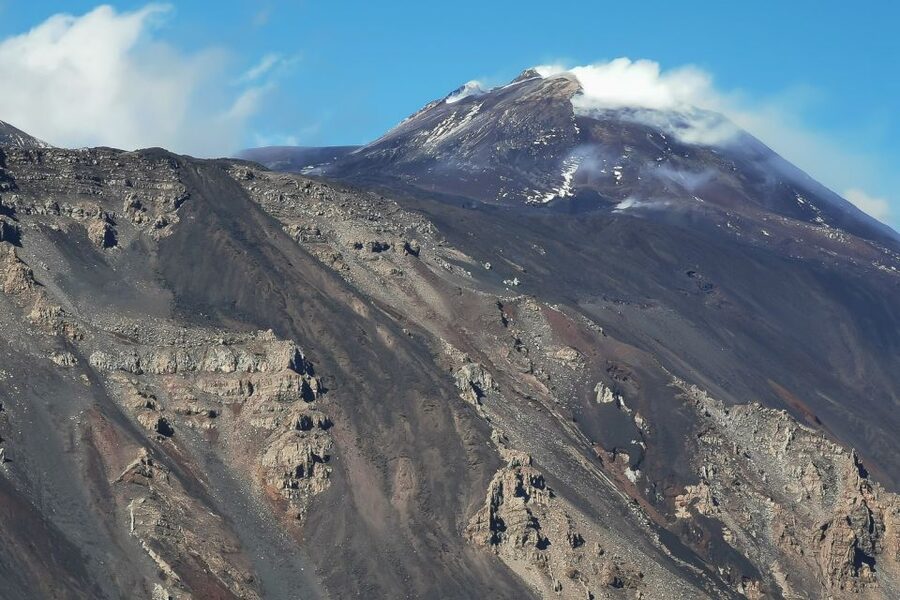
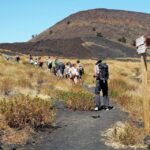
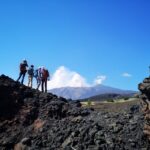
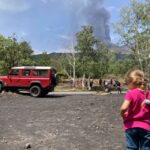
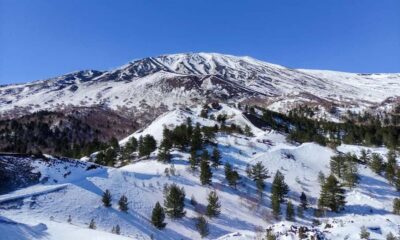
Back up the volcano, with Etna smoking above Catania.
Route and Stops: From McDonald’s to Valle del Bove
You start with a simple meet-up: outside McDonald’s for pickup. From there, the trip runs by van, with short travel legs that keep the total day about 7 hours. Expect multiple quick transitions rather than one long bus ride, which helps when you’re heading up to higher elevations.
Here’s how the day unfolds:
- Van transfer (about 30 minutes): you head toward Etna. This is your “get settled” window.
- Traditional village stop (about 20 minutes): there’s time for coffee/breakfast/lunch on your own. It’s also a chance to refuel before the climb.
- Another van transfer (about 30 minutes): you get closer to the starting zone for the hike.
- Viewpoint safety briefing (about 20 minutes): this is where the guide sets expectations—how to walk the sections, what to watch for, and how conditions can change.
- Valle del Bove (about 3.5 hours): this is the heart of the tour, with photo time and a guided walk.
- Silvestri Craters break (about 20 minutes): a quick reset, plus drinks like beer/coffee/tea are available during this pause.
- Van back (about 1 hour): you return to the meeting point.
If you like a clear plan with enough flexibility to breathe, this itinerary is well-paced. The longest block—Valle del Bove—gets the time it needs, and the rest of the stops are short and functional.
Trazzere and the Lava-Flow Story You Can Actually Walk On
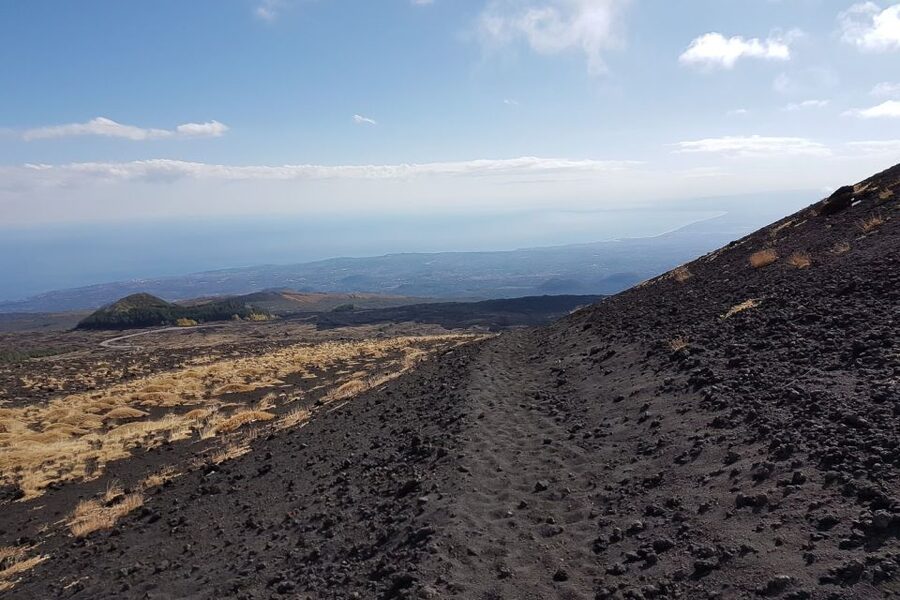
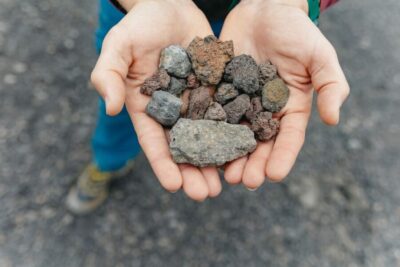
As you travel toward Etna, you pass through Trazzere, where you can see lava flows dating to 1792. That matters because it turns Etna from a single “big mountain volcano” into a place with layers—evidence of eruption history you can view while you’re already on the move.
The guide uses this travel time to connect what you’re seeing with what you’ll hike. You learn what grows in volcanic environments and how the slope changes as conditions evolve. Even if you’re not a science person, the way it’s taught tends to make it stick—because you’re seeing the terrain right in front of you, not just hearing a lecture.
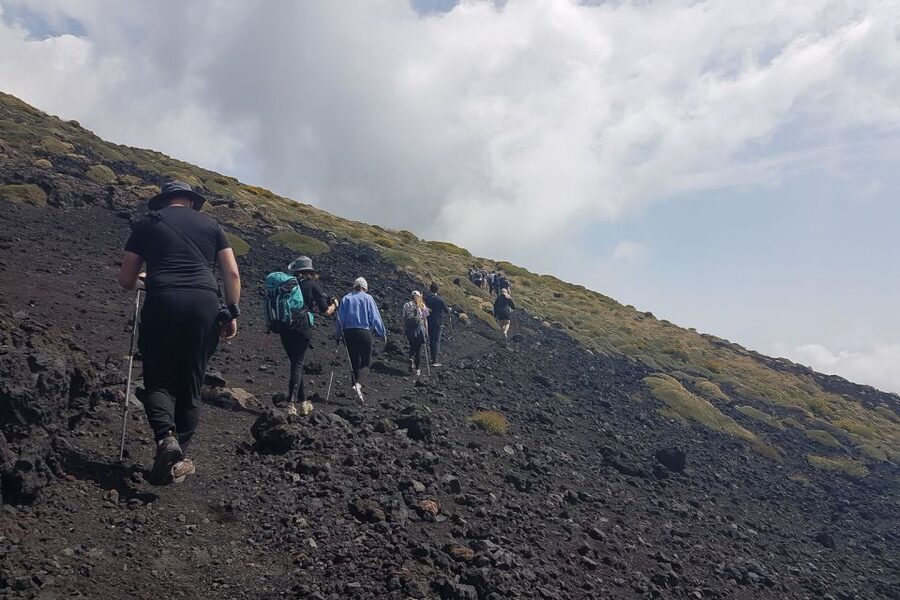
You also walk past recent lava flows during the hike. That’s a big part of the “off the tourist path” feeling: instead of crowds forming around one overlook, you’re traveling through the volcanic surface itself.
Valle del Bove: Walking the Big Etna Caldera
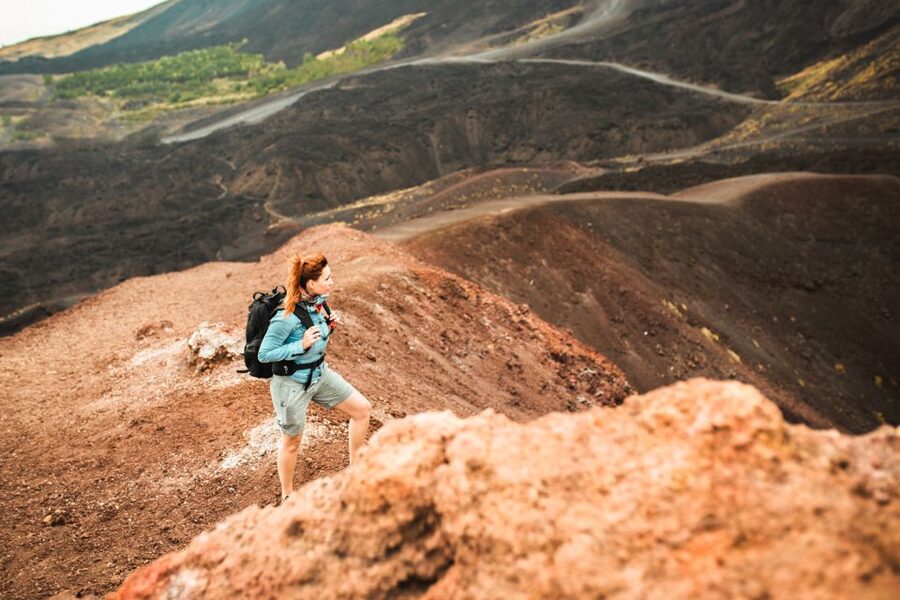
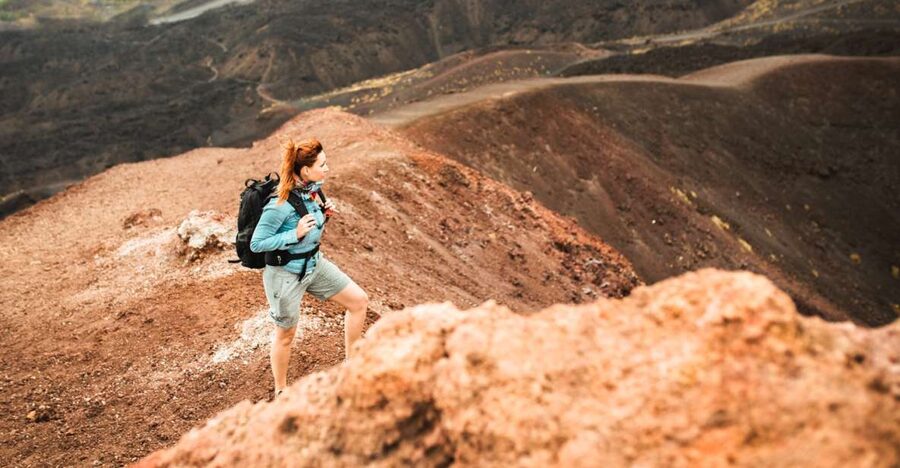
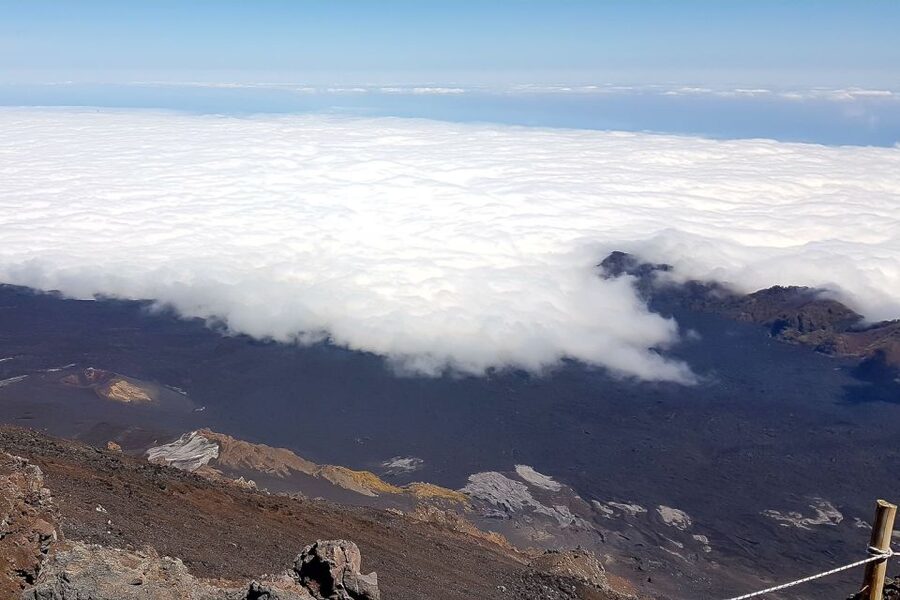
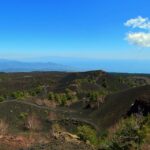
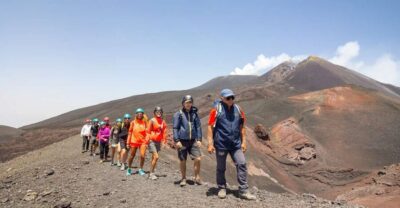
Valle del Bove is the long guided segment, and it’s where the day earns its name as a true trekking tour. This huge caldera formed roughly 64,000 years ago, when major eruptive centers collapsed. Walking here changes how you visualize the volcano: you feel the scale in the terrain, not just in a viewpoint.
During the Valle del Bove portion, you’ll get:
- Photo stops and guided explanations
- A mix of walking sections and moments to regroup
- A route that intentionally aims for quieter trails away from the busiest areas
What I like about this setup is how it balances effort and curiosity. You don’t spend the whole time struggling uphill without context. You get stops, guided talking points, and a real sense that you’re learning while you move.
The views along this segment can be spectacular when visibility is good. When it’s hazier or windy, the focus shifts more toward texture—ash, rock, and the shape of the caldera. Either way, it’s an Etna moment.
Silvestri Craters: Seeing the Active Side (Then Resting)
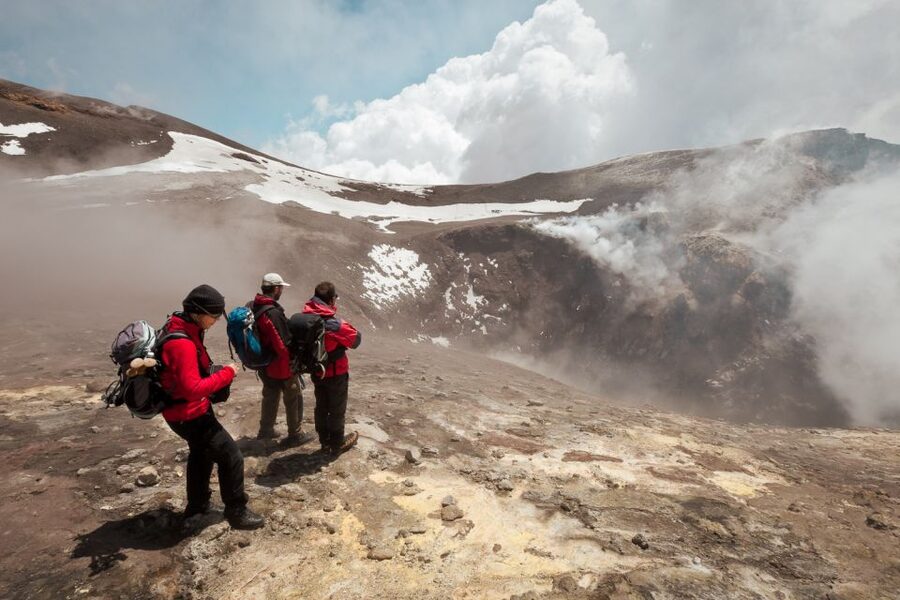
After Valle del Bove, you reach Silvestri Craters, where the tour slows down for about 20 minutes. This stop is short, but it gives you something the earlier parts don’t: a closer look at Etna’s most active zone—specifically the southeastern crater area.
This is also a practical break. You get time for a drink (beer/coffee/tea are listed), and a bit of free time to stand, stretch, and take photos without rushing. That reset is important because the hike is built to be a full half-day plus, and your legs will appreciate a pause.
One note: the day is weather-dependent. Visibility can vary, and Etna’s conditions can shift. The itinerary keeps moving, but the experience can feel more intense if wind picks up or the ground is slick.
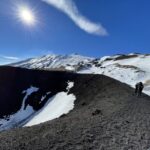
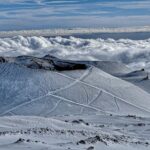
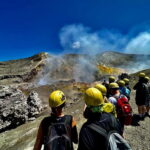
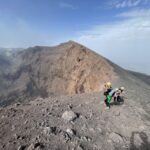
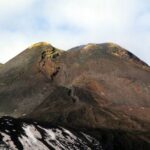
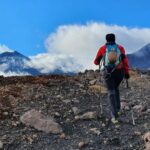
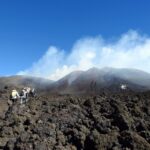
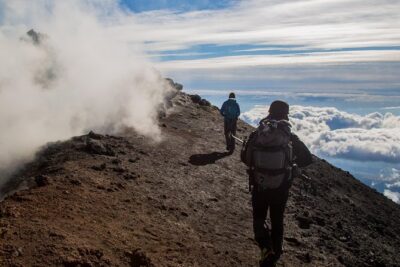
Higher up Etna on foot, towards the summit craters.
Lava Cave Stop: A Nice Bonus With Real Safety Limits
A lava cave is included in the experience plan, but it’s conditional. If there are high tremors or eruptions, the cave visit may not be possible even after an eruption has finished. That’s not the operator being difficult—it’s how volcanic areas work.
Still, when it does happen, a cave visit adds variety beyond the surface walk. It gives you a different way to think about eruptions: not just what happened out in the open, but what cooled and hollowed underground.
If you’re the kind of person who hates “might not happen” experiences, know that this one comes with a clear, safety-based reason. If you’re flexible and want to follow the guide’s call, it becomes part of the realism of being on a living volcano.
Gear, Clothing, and What to Bring (and What Not To)
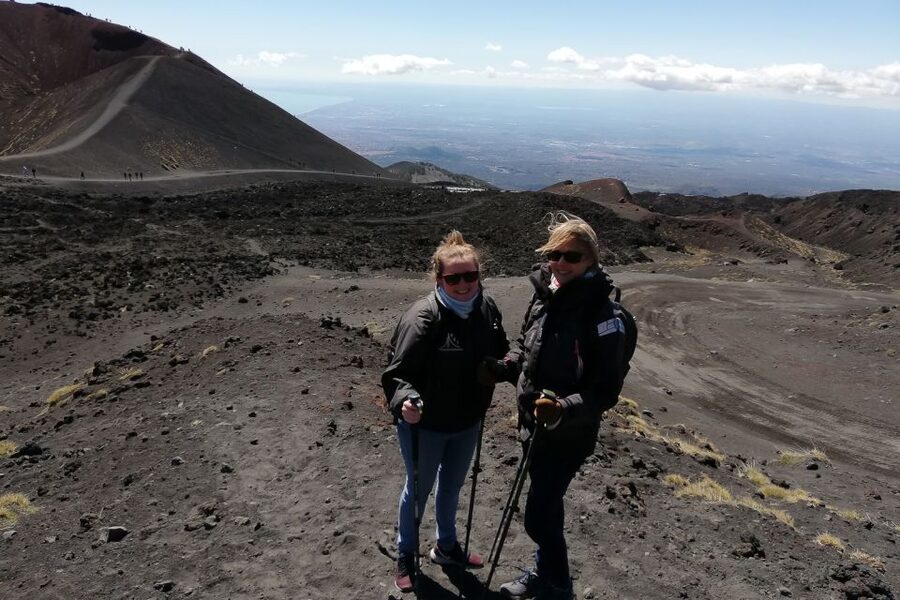
This trek is one of those tours where the included gear actually matters. You get:
- Trekking sticks/poles
- Shoes
- Extra warm jacket
- Rain jacket
That reduces the “I hope my boots are good enough” stress. It also helps if you’re packing light for Sicily and don’t want to haul hiking gear all the way.
What you should bring:
- Comfortable shoes (even though options are provided, bring what you trust)
- Hat and sunscreen
- Jacket and comfortable clothes
- Socks
What you should avoid:
- Luggage or large bags
Also, the hike takes place at higher elevation, so layers are key. Even in warmer months, conditions up on Etna can feel cooler than Catania. The included warm layer helps, but your base clothing and hat still matter for comfort.
And yes—this is a hike, so bringing water and a few snacks is a smart idea. The tour includes time for food, but having your own small backup never hurts when you’re walking for hours.
How Hard Is It, Really? Altitude and Weather Reality Check
Let’s talk effort honestly. The trek happens between roughly 1850 and 2400 meters, and it’s described as a hike rather than an easy stroll. It’s not only about altitude; it’s about the ground underfoot—rocky sections, ash, and uneven footing on volcanic terrain.
If you’re moderately fit, you can probably handle it with the guide’s pacing. The itinerary has built-in pauses, and the guided walk in Valle del Bove is long enough that you’ll have chances to catch your breath. That said, the challenge level can spike with wind, cold, or slick conditions.
Weather can also change the route, especially in winter when snow may force adjustments. You’ll still be on Etna, but the path can shift to match what’s safe and passable.
Who should plan for this to be tough:
- Anyone with low fitness or limited hiking experience
- People with altitude sickness concerns
- People with heart problems or respiratory issues
- Pregnant travelers
- Anyone who needs mobility accommodations (the tour isn’t set up for that)
If you fit the “I hike sometimes” category and you’re okay taking your time, it’s a rewarding day.
Guide Style: The Big Reason People Rate This So High
A big part of why this trek lands well is the guiding. The trip uses a naturalist guide, and the approach is hands-on: you’re learning flora/fauna and volcano mechanics while walking the same terrain those concepts are about.
Names that come up in the experience include guides like Antonio and Renato, and pairs like Renato and Antonio show up with consistent energy. People highlight that the guides keep things organized, explain step-by-step during harder sections, and build in enough breaks that you don’t feel rushed.
There’s also a human side: the guides bring humor and calm confidence. That matters when you’re on volcanic ground with wind in your face and changing visibility. If something feels off, you want a guide who makes the situation feel manageable—and that’s exactly what shows up in the way the day is run.
Even when conditions aren’t perfect, the guides can adjust the plan. That flexibility is a quiet superpower in a place like Etna, where forecasts don’t always hold.
Value for Money: What You Pay for and What You Don’t
At around $78.17 per person for a 7-hour experience, the value is mostly about what’s included. You’re not just buying a “walk.” You’re paying for:
- Pickup and drop-off in Catania city center and Trecastagni
- A hike on Etna with a naturalist guide
- Essential gear: poles, shoes, warm jacket, and rain jacket
- Transportation by van across multiple parts of the mountain area
Food isn’t included, so budget for a snack stop and the village stop. Drinks at the Silvestri Craters break are also separate, even if some are available for purchase during that pause.
But overall, the cost feels fair for the combination of guided effort, included equipment, and the “off the main tourist path” route. If you’ve ever tried to DIY Etna with rentals, a guide, and transport, you’ll understand why this bundle is appealing.
Who Should Book This Trek, and Who Should Skip It
This is best for people who:
- Want a guided hike on Etna without the typical crowd-only approach
- Enjoy learning while walking—especially if you like nature details
- Are comfortable hiking several hours at elevation
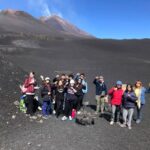
- Prefer small groups (the day can run with group sizes that feel manageable)
If you should skip it, it’s mainly the same as the safety guidance:
- Not suitable for children under 10
- Not suitable for pregnant women
- Not suitable for people with heart problems, respiratory issues, or altitude sickness
- Not suitable for low mobility needs
If you’re unsure, your best move is to be honest about your hiking comfort level. This is a medium-side hike. You don’t need to be an athlete, but you do need to be willing to work for the views.
Should You Book This Mount Etna Trek?
Book it if you want Etna as a hike, not a drive-and-photos day. The off-road lava flow route, the long walk in Valle del Bove, and the guided naturalist explanations are a strong mix—especially if you’re tired of tours that feel like they never leave the surface.
Skip it if you’re looking for gentle walking, or if health conditions make altitude unsafe. Also, if you hate uncertainty, go in knowing the lava cave stop depends on volcanic conditions.
If you’re the right fit, this is the kind of day where you walk away with more than photos. You’ll understand why Etna looks the way it does—and you’ll feel how it’s still changing.
FAQ
Where do I meet for pickup?
Meet for pickup outside the McDonald’s. The experience ends back at the meeting point.
How long is the Mount Etna trekking trip?
The total duration is listed as 7 hours.
Do you provide transportation from Catania?
Yes. Pickup and drop-off are included in Catania city center and Trecastagni.
What’s included for the hike?
You get a naturalist guide, trekking sticks and shoes, plus an extra warm jacket and a rain jacket.
Is lunch or food included?
Food and drinks are not included. You can buy sandwiches locally before the hike, and there are stops where you can taste food at your own expense.
What altitude does the hike take place at?
The trek takes place approximately between 1850 and 2400 meters above sea level.
Will the lava cave always be visited?
Not always. In the case of high tremors and eruptions, visiting the cave is not possible even if the eruption has finished.
More Tour Reviews in Mount Etna
More Etna Summit Hikes and Treks
More Etna Volcano Tours from Catania
After something different? More tours and day trips around Catania and eastern Sicily
Etna Volcano Tours from Catania, compared.
 ★ 4.8Mount Etna Morning or Sunset Day Trip with TastingFrom $704,028 reviews
 ★ 4.7Guided Volcano Summit Hiking Tour with Cable CarFrom $1243,784 reviews
 ★ 4.8Sunset Jeep Tour of Mount Etna and Lava Flow CavesFrom $712,113 reviews
 ★ 4.8Etna and Alcantara Gorges Full-Day Tour with LunchFrom $1051,766 reviews
 ★ 4.7Etna Volcano: South Side Guided Summit HikeFrom $671,545 reviews
 ★ 4.8Guided Trek 3,000 Meters to the SummitFrom $1131,407 reviews
 ★ 4.8Etna Sunset Tour with Pickup and Drop-offFrom $711,348 reviews
 ★ 5.0Mt. Etna and Taormina village full day tour from CataniaFrom $1181,155 reviews
Browse the lists this tour appears in