
Reviewed · ETNA VOLCANO TOURS FROM CATANIA
Mount Etna: Half-day Morning Jeep Tour
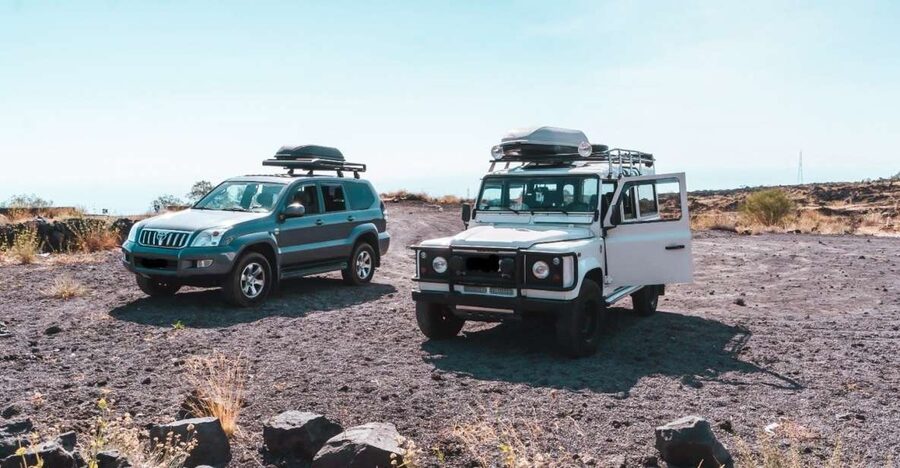
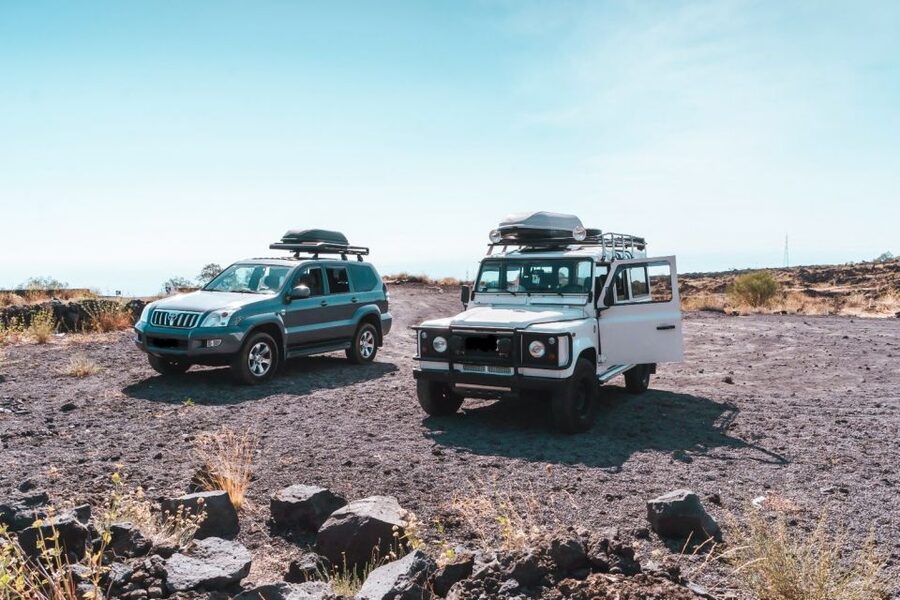
Etna feels close when you ride up in 4x4s. This half-day morning Jeep tour is a smart way to get real volcanic context fast, with UNESCO Etna framing the bigger story and a hands-on stop at a lava-tube cave. You start at Piazza Sant’Alfio, 34, and from there it’s a guided route over ancient ground that remembers eruptions that once changed local life.
Two things I really liked: you don’t just look at Etna from a viewpoint, you travel the rough terrain that brought past lava flows to life, and you get guided explanation that links geology to what you can actually see. One thing to plan for is walking on volcanic ground at higher elevation (around 2000m), so you’ll want proper shoes and a jacket even if the forecast feels mild.
Key points to know before you go
- Lava-tube cave visit with helmet and torch
- 4×4 off-road route over ancient lava flows
- Valle del Bove caldera break with photo time
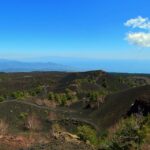
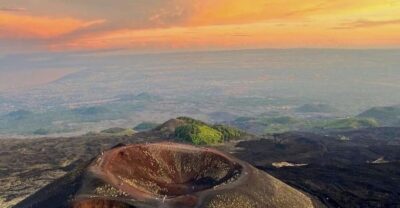
- Silvestri Craters walk around 2000m on extinct side craters
- Guide-led geology and nature talk covering flora and fauna
- 4 hours total, with pickup and drop-off at Piazza Sant’Alfio, 34
In This Review
- Why This Etna Morning Jeep Tour Works So Well
- Getting to Piazza Sant’Alfio and Understanding the 4-Hour Rhythm
- Off-Road Travel Over Ancient Lava Flows (Where the Story Happens)
- The Lava-Tube Cave: Helmet, Torch, and Real Volcanic Space
- Valle del Bove: The Caldera You Can Feel in Your Photos
- Silvestri Craters Walk at Around 2000m
- How the Guide Turns Geology, Flora, and Fauna Into Something You Remember
- What’s Included, What Isn’t, and How to Pack Like a Pro
- Price and Value: Is $101.96 a Fair Deal for Etna?
- Who Should Book This Tour (and Who Should Think Twice)
- Small Tips That Make a Big Difference on Etna
- Should You Book This Mount Etna Jeep Tour?
- FAQ
- Where does the Mount Etna Jeep tour start and end?
- How long is the tour?
- What’s included in the ticket price?
- Do I need to bring water or lunch?
- Does the tour run in bad weather?
- Is the tour suitable for people with mobility issues or health conditions?
Why This Etna Morning Jeep Tour Works So Well
Mount Etna is the highest active volcano in Europe, and it became a UNESCO heritage site in 2013. That’s the big label. What makes this tour worth your time is the way it turns those words into something you can feel under your boots: black rock, crater edges, and the kind of silence you only get when volcanic terrain stretches out around you.
This is also a very practical half-day format. You’re not committing to a full day in the mountains or trying to piece together transport on your own. Instead, you get a tight loop with pickup, a guide, and a mix of short walks plus time in the Jeep/SUV that helps you cover more of Etna than a simple viewpoint drive.
The emotional highlight for me is the cave stop. A lava tube is not just another photo moment. With the helmet and torch provided, you get to experience how eruptions can build space underground, then leave it behind as a natural structure you can explore safely with your guide.
Getting to Piazza Sant’Alfio and Understanding the 4-Hour Rhythm
Your meeting point is in front of the car park by the church at Piazza Sant’Alfio, 34. The tour is listed as about 4 hours, with the exact start time depending on availability.
That matters because Etna tours can feel like a whole day if you land late or get stuck in transit. Here, the timing is structured: you get a quick transfer to the first areas, then you’re on foot for guided segments, then back into the Jeep/SUV for the next terrain jump.
The schedule also includes built-in pauses: photo time, a break at Valle del Bove, and some free time during the Silvestri Craters portion. In other words, it’s not a constant march with no air.
One more practical point: the tour runs rain or shine. So think in layers, not just sun protection.
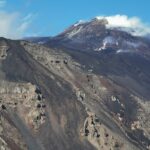
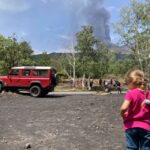
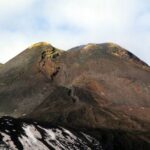
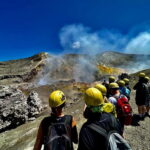
Back up the volcano, with Etna smoking above Catania.
Off-Road Travel Over Ancient Lava Flows (Where the Story Happens)
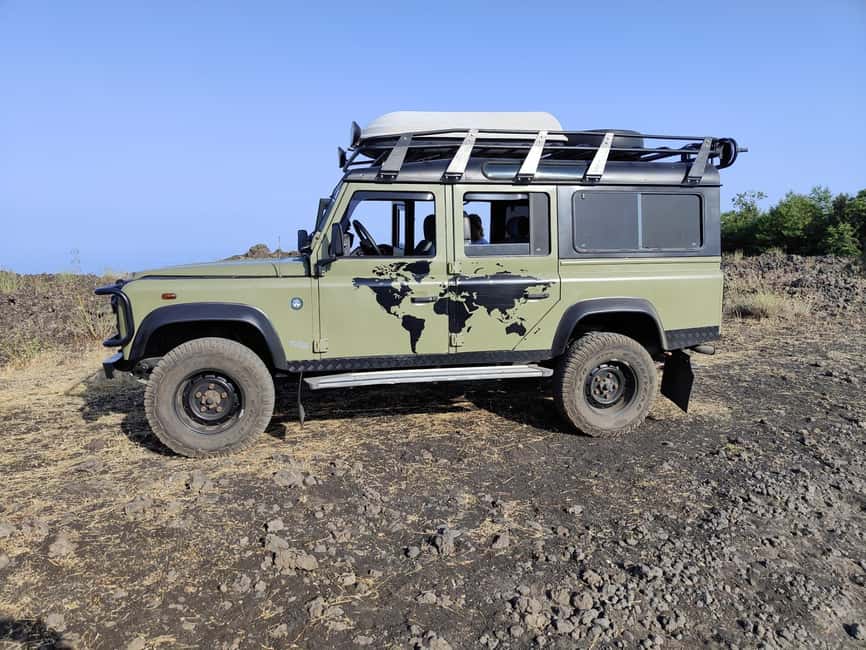
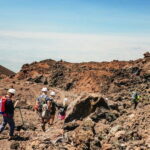
The Jeep/SUV part is not just transportation. It’s part of the experience because it takes you along an off-road route over remains of ancient lava flows. The tour route is designed to show the places where eruptions destroyed villages and affected the Etna woods—meaning you’re traveling through the physical evidence of history, not just reading about it.
You also get that contrast that makes Etna interesting even when you’ve seen photos before: the ground can look harsh and empty in one moment, then you spot pockets of life the next. On Etna, the details are always there, if you’re paying attention—and your guide is there to point them out.
Off-road travel also helps you reach areas you wouldn’t easily access on your own, especially if you don’t have a car built for volcanic terrain.
The Lava-Tube Cave: Helmet, Torch, and Real Volcanic Space
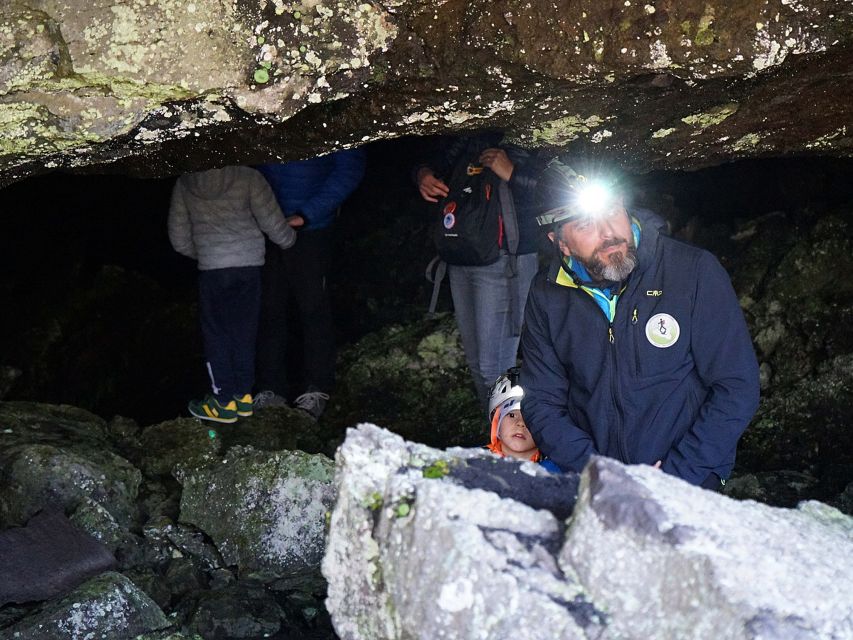
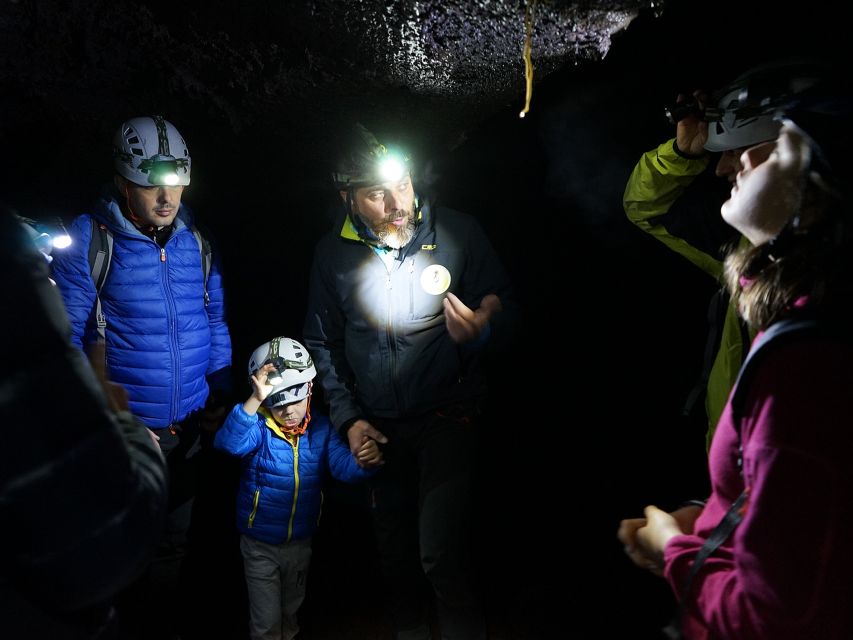
One of the best highlights is the volcanic cave formed from a lava tube. You’re provided with a helmet and torch, which makes a big difference here. Dark caves can feel intimidating if you’re unprepared, but having the right gear turns it into an accessible, guided exploration.
What I like about this stop is that it shows Etna’s power in a different way than crater views. Lava tubes are about flow and cooling—how moving molten rock can leave an underground channel behind. When you stand inside that kind of space (even just briefly), it’s easier to understand how eruptions create structures that last long after the heat is gone.
Expect your guide to connect the cave to what you’re about to see outdoors: the caldera area, the side craters, and the volcanic desert textures where life survives against the odds.
Valle del Bove: The Caldera You Can Feel in Your Photos
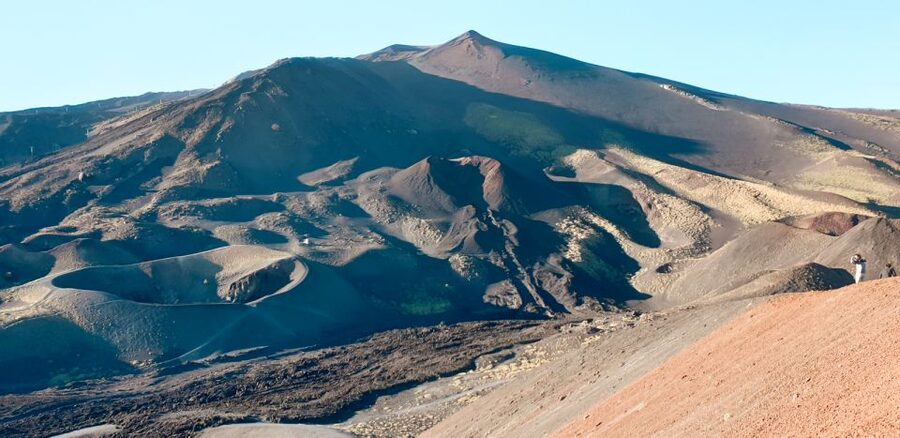
Next up is Valle del Bove, an ancient volcanic caldera. You’ll get a break time here with photo opportunities and more guided explanation. This is the moment when the scenery starts to feel “big” in the way only volcanic formations can do.
A caldera doesn’t read like a normal valley. It’s a shape with a history inside it. The guide’s job here is to translate the shape into process—how the volcano’s evolution created the bowl-like structure and how later activity and erosion shaped what you see now.
This stop also works well for a short mental reset. After cave darkness and off-road movement, Valle del Bove gives you open views and the chance to look at Etna’s features as a connected system rather than isolated points.
Silvestri Craters Walk at Around 2000m
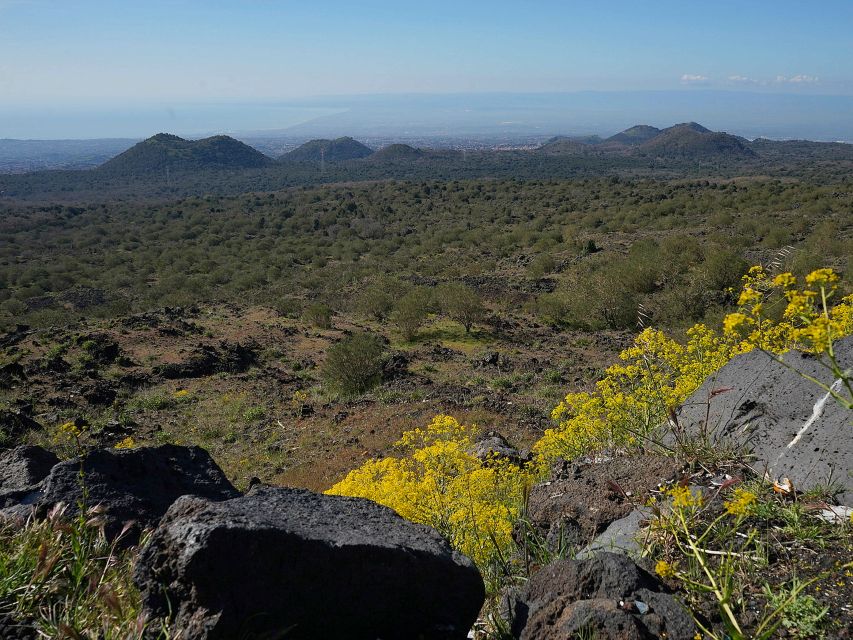
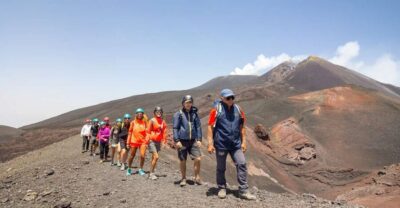
The walking portion is centered on the Silvestri Craters area. You’ll start with photo time and guided context, then you’ll have free time to walk.
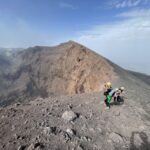
The tour description puts this walk at around 2000m, around the extinct side craters of Etna. Etna has hundreds of side craters—about 300 in total is noted for the system—so this isn’t just one dramatic cone. It’s a whole pattern of volcanic behavior extending sideways from the main activity.
What you’ll notice as you walk:
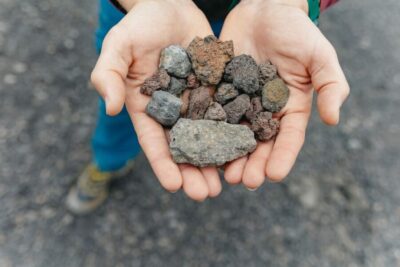
- Volcanic ash and uneven footing are part of the deal.
- The ground can feel exposed and dry in places, but you may still spot plants adapted to the harsh conditions.
- The guide is there to point out endemic plants that manage to survive in this environment.
This is where good footwear matters most. The tour tells you not to wear sandals or flip-flops, and they also recommend hiking shoes and bringing a jacket. If you’re coming in with runners, you might get by, but your comfort will depend on how dusty or damp the volcanic ground is that day.
Also, keep in mind the tour is not suitable for everyone. People with heart problems or certain respiratory issues may need to consider their limits before taking on higher elevation and uneven terrain.
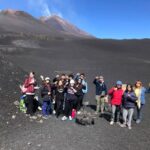
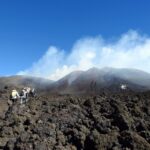
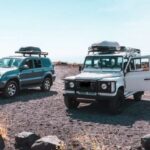
Up Etna the easy way, by 4x4 and the Funivia cable car.
How the Guide Turns Geology, Flora, and Fauna Into Something You Remember
A big reason this tour earns strong marks is the quality of the guide. On this experience, Mr. Fabrizio is specifically highlighted for being welcoming and for explaining Etna in a way that sticks—especially when it comes to geology, wildlife, and the surrounding flora and fauna.
Even if you’re not the type to read geological terms on a museum plaque, the guide’s approach helps you connect what you’re seeing to why it matters. You hear about Etna’s evolution and how the environment responds over time, from destroyed woodlands and villages to the small plants that persist in volcanic desert conditions.
And because the itinerary keeps moving—Jeep, cave, caldera, crater walk—the explanation doesn’t stay abstract. It keeps matching the terrain in front of you.
That’s the difference between a “drive-by photo” tour and a guided Etna experience: the route supports the teaching.
What’s Included, What Isn’t, and How to Pack Like a Pro
Here’s what’s included:
- Pickup and drop-off from the meeting point
- Guide
- Helmet and torch
- Jacket and trekking boots upon request
Not included:
- Etna cableway
- Lunch
- Water
So plan like a short hike day. Bring snacks and water even if you’re only out for four hours. Also bring a jacket. Weather on Etna can shift, and this tour runs rain or shine.
What to wear:
- Hiking shoes
- No sandals or flip-flops
Even with trekking boots available upon request, you still want to arrive with footwear that feels secure on ash and rocky ground.
A useful mindset: treat it like a mix of a cave walk and a mountain footpath. You’ll be moving enough that comfort beats style.
Price and Value: Is $101.96 a Fair Deal for Etna?
At $101.96 per person, this is not a budget throwaway. But for what you get, it can feel like a fair value if Etna is on your must-do list.
The strongest value components are:
- 4×4 access to volcanic areas you wouldn’t easily reach on foot
- A guide who explains geology and living details like flora and fauna
- The cave experience with helmet and torch provided
- A structured loop that includes Valle del Bove and the Silvestri Craters walk
You do have costs you’ll handle yourself: water and snacks, plus lunch later because it’s not included. If you were planning to hire a car, then find your own access points, and still want cave/terrain context, this guided package often beats the hassle factor.
If you’re traveling as a group, it can also be easier to justify because the guide and gear are shared across the route.
Who Should Book This Tour (and Who Should Think Twice)
This half-day morning Jeep tour is a good fit if you:
- Want a guided introduction to Etna’s history and evolution
- Prefer hands-on experiences like a lava-tube cave over only viewpoints
- Are comfortable with moderate walking at elevation around 2000m
- Like geology, plus the smaller details of plants surviving in volcanic desert conditions
Think twice if:
- You have mobility impairments (it’s not suitable for them)
- You have heart problems or respiratory issues
- You’re counting on sandals/flip-flops for comfort (the tour rules don’t allow them)
And if you’re the type who gets impatient with caves or expects long continuous hikes, know the format is mixed: driving time, guided talks, then short walks and breaks.
Small Tips That Make a Big Difference on Etna
- Wear shoes you trust on uneven volcanic footing. If you’re unsure, choose boots over flexible sneakers.
- Bring a jacket even if you’re optimistic about the weather. This tour runs rain or shine.
- Carry snacks. It’s only four hours, but you’ll still burn energy on ash and stairs-like terrain.
- Ask your guide about gear if you didn’t plan for it. The tour offers a jacket and trekking boots upon request.
- Bring your phone camera, but don’t forget your eyes. Etna’s details are easier to notice after the first couple of viewpoints, when you’ve been oriented by your guide.
Should You Book This Mount Etna Jeep Tour?
I’d book this tour if you want the most “Etna per hour” you can get without turning your day into logistics. The combination of off-road access, a lava-tube cave visit with helmet and torch, and time at Valle del Bove plus an extinct crater walk makes it more complete than the typical drive-and-photos routine.
I would skip it if you dislike uneven terrain, you’re sensitive to higher elevation walking, or you’re hoping for a totally relaxed, flat outing. This is still only about four hours, but it’s active enough that your clothing and footwear matter.
If Mount Etna is your headline for Sicily, this half-day morning tour is a solid, practical way to earn that headline with something real under your feet.
FAQ
Where does the Mount Etna Jeep tour start and end?
It starts and ends at Piazza Sant’Alfio, 34. The meeting point is in front of the car park by the church.
How long is the tour?
The tour duration is listed as about 4 hours. Starting times depend on availability.
What’s included in the ticket price?
Pickup and drop-off from the meeting point, a guide, and helmet and torch are included. A jacket and trekking boots are available upon request.
Do I need to bring water or lunch?
Yes. Lunch and water are not included, so bring water and snacks for the day.
Does the tour run in bad weather?
Yes. The tour takes place rain or shine.
Is the tour suitable for people with mobility issues or health conditions?
No. It’s not suitable for people with mobility impairments, and it’s also listed as not suitable for people with heart problems or respiratory issues.
More Tour Reviews in Mount Etna
More Etna Jeep and Cable Car Days
More Etna Volcano Tours from Catania
After something different? More tours and day trips around Catania and eastern Sicily
Etna Volcano Tours from Catania, compared.
 ★ 4.8Mount Etna Morning or Sunset Day Trip with TastingFrom $704,028 reviews
 ★ 4.7Guided Volcano Summit Hiking Tour with Cable CarFrom $1243,784 reviews
 ★ 4.8Sunset Jeep Tour of Mount Etna and Lava Flow CavesFrom $712,113 reviews
 ★ 4.8Etna and Alcantara Gorges Full-Day Tour with LunchFrom $1051,766 reviews
 ★ 4.7Etna Volcano: South Side Guided Summit HikeFrom $671,545 reviews
 ★ 4.8Guided Trek 3,000 Meters to the SummitFrom $1131,407 reviews
 ★ 4.9Mount Etna Trekking Trip off the Tourist PathFrom $781,351 reviews
 ★ 4.8Etna Sunset Tour with Pickup and Drop-offFrom $711,348 reviews
Browse the lists this tour appears in