
Reviewed · ETNA VOLCANO TOURS FROM CATANIA
Mount Etna: Volcano Craters Hiking Tour
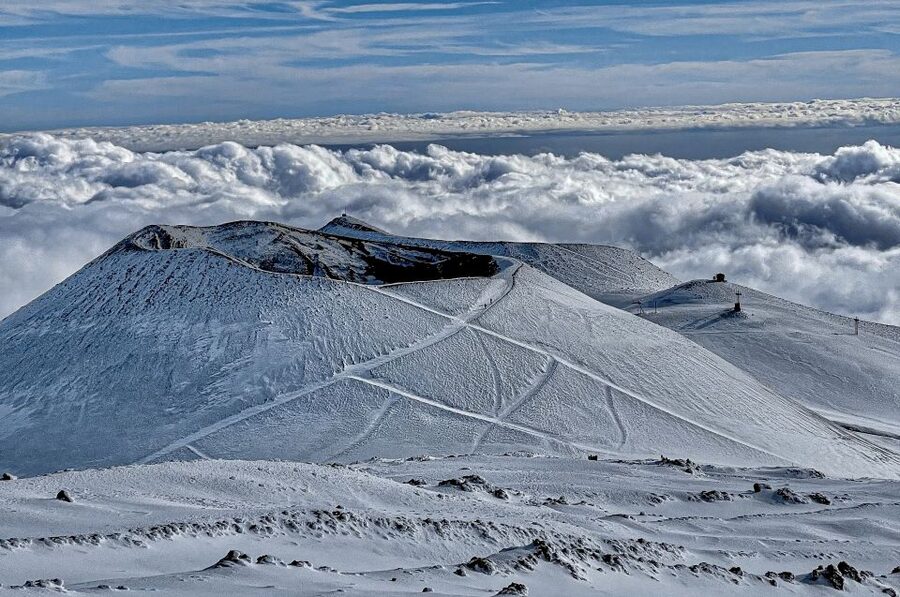
Walking on Etna feels like stepping on heat. This 5-hour crater hike uses a cable car climb and a licensed guide to take you into an active volcanic zone, with fumaroles and recent lava flows that look almost unreal, even on a windy day. I also like that the route is designed to keep you away from the worst danger areas while still getting you close enough to feel the volcano’s power underfoot.
I especially enjoy how the geology talk turns into a real-world experience: you’re not just looking at dark rock, you’re walking through a place shaped by eruptions you can still recognize. One consideration: this trek is for trained hikers at high altitude (up to 3,000 meters), and the terrain near crater edges can be tricky in wind, snow, or ice, so it’s not for anyone who gets dizzy easily.
In This Review
- Key highlights to look for
- Meeting at Esagonal Bar and the short transfer that sets the pace
- The cable car climb to 2,500 meters (and the altitude rules you should know)
- Walking near steaming lava flows: what your feet and senses learn
- Barbagallo Crater and the geology stop that turns scenery into meaning
- Southeast Crater base and the 2002 craters: seeing active change in layers
- Valle del Bove and the return ride: descent is where knees notice everything
- Gear, clothing, and what to pack when the wind is the main character
- Price and value: $28 base plus the on-site fees you must plan for
- Who this Etna crater hike is perfect for (and who should skip it)
- How the guide experience feels in real life (from guide names you might see)
- Should you book this Mount Etna volcano craters hike?
- FAQ
- Where do I meet for the Mount Etna tour?
- How long is the experience?
- What altitude do we reach on this hike?
- Is the cable car ticket included?
- Is the volcanological guide service included?
- What’s included in the price?
- What should I bring and wear?
- Is the tour suitable for children?
- When can the tour be canceled?
Key highlights to look for
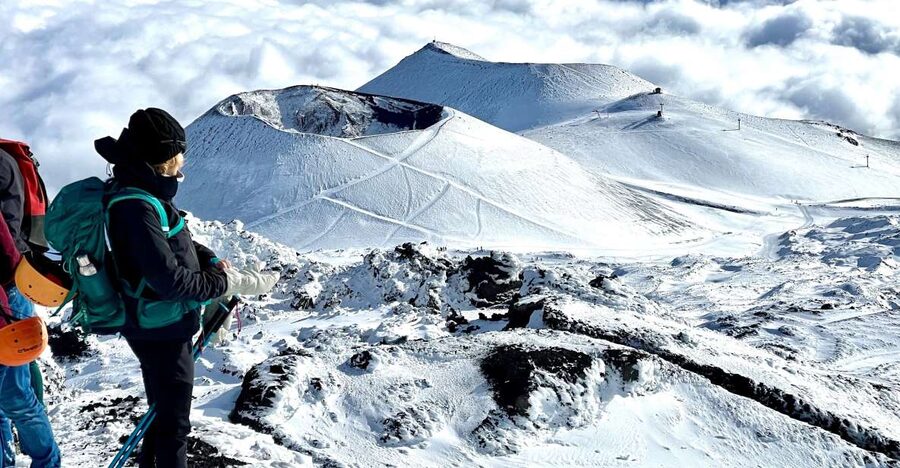
- Fumaroles up close: you get to see hot gases spew from underground features along the route
- Recent lava you can walk on: feel the heat in the volcanic rocks as you move through fresh flow areas
- High-altitude crater walking: the hike pushes to about 3,000 meters with special authorization
- Guided geology explanations: a licensed volcanology guide interprets what you’re seeing in plain terms
- Craters from different eruptions: you visit areas tied to activity near the Southeast Crater and the 2002 craters
- Views that come with a price: big panoramas, but cold wind and thin air are part of the deal
Meeting at Esagonal Bar and the short transfer that sets the pace
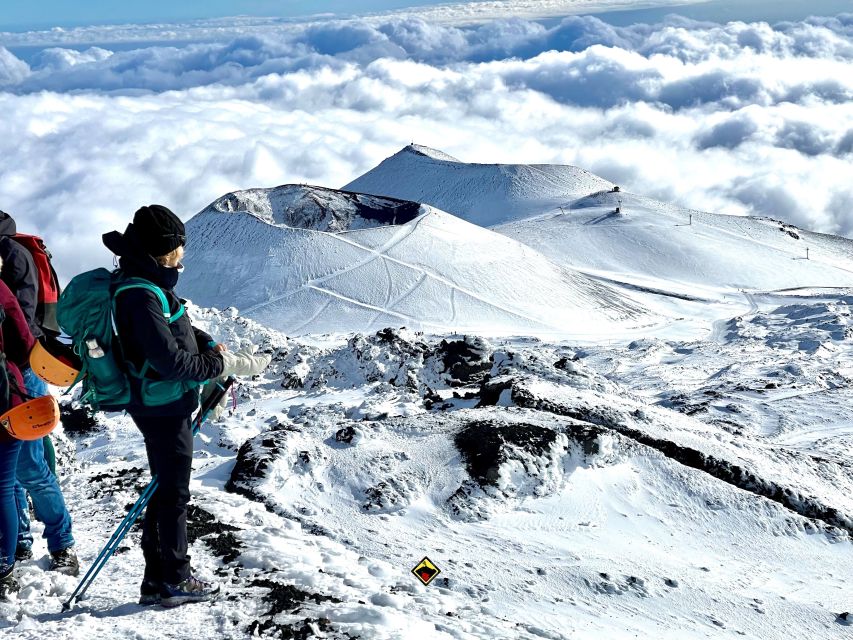
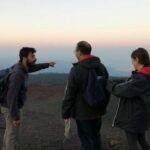
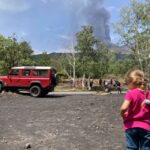
Your day starts in the parking lot in front of the Esagonal Bar, where the guides meet you (the check-in point is listed as Etna Guides Official). The group then does a short transfer, about 20 minutes, before the hike proper begins. That quick ride matters more than it sounds. It helps everyone settle into the day, get their gear checked, and match pace before you start climbing.
I like this setup because you’re not rushed. You’re also not spending half the day stuck in transit. Once you’re moving, the tour keeps a steady flow: cable car up, then guided walking with stops for photos and geology explanations.
One practical tip: bring ready-to-walk clothing. The tour includes warm jackets and helmets, plus trekking poles and a backpack, but you still need your own windbreaker, sunglasses, long pants, and comfortable layers for the cold. On Etna’s upper slopes, wind can change the feel of the temperature fast.
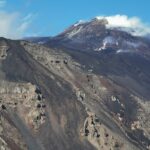
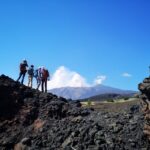
Back up the volcano, with Etna smoking above Catania.
The cable car climb to 2,500 meters (and the altitude rules you should know)
Early in the day, you take a scenic cable car that lifts you from about 1,900 meters to around 2,500 meters. Then you begin hiking. This matters because it saves your legs for the crater-zone walking. It also means you’re not wasting time acclimating while still far from the action.
Here’s the altitude detail you should take seriously: with special authorization for scientific purposes, the group may be allowed to pass the usual altitude limit (2750 meters) and hike up to about 3,000 meters, but only if the group is doing well and does not show major altitude sickness. That’s why the tour frames itself as a trek for trained hikers, and why the list of who should not book is strict (vertigo, respiratory issues, heart problems, epilepsy, and so on).
So what should you do? Pace yourself from the first climbing steps, sip water, and pay attention to how you feel. If you’re even slightly unsure about altitude tolerance, this is not the day to push your luck.
Walking near steaming lava flows: what your feet and senses learn
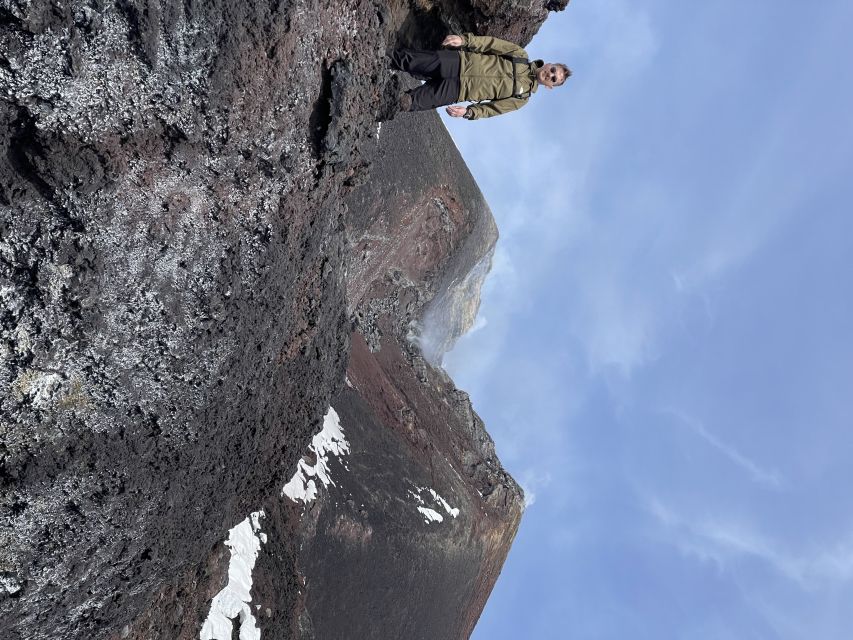
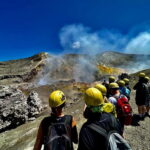
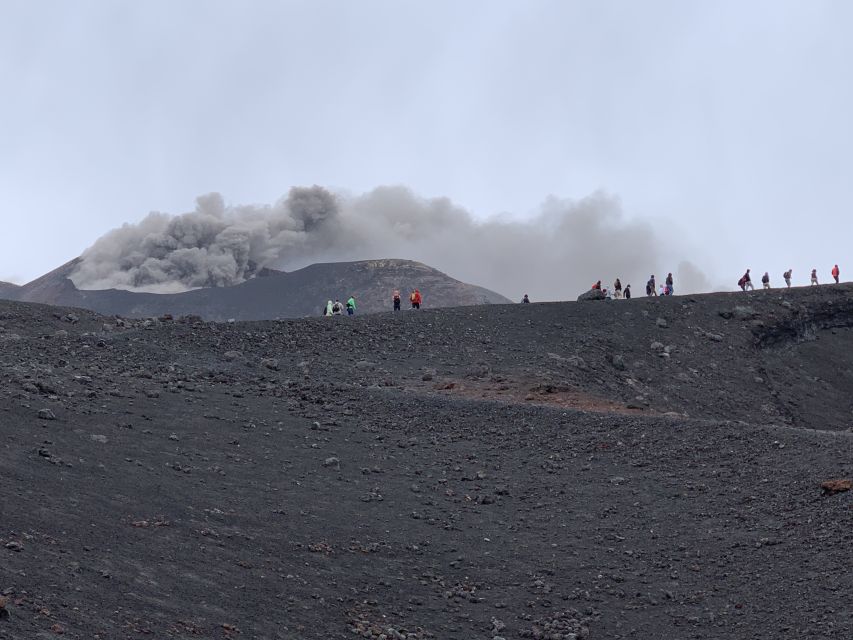
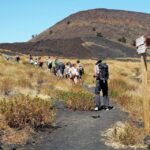
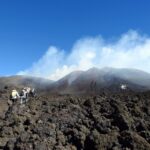
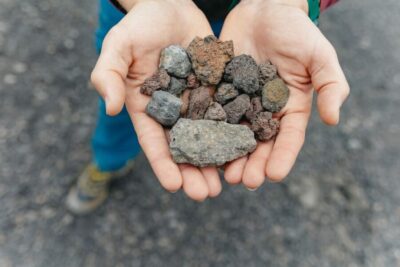
Once you’re in the crater zone, the experience becomes very physical. The tour’s core promise is that you’ll walk past steaming lava flows and hot volcanic rock. You’re not just photographing it from a safe distance. You’re stepping over basalt textures that show how volcanic material cooled, broke, and hardened.
This is also where the fumaroles come in. Fumaroles are openings where hot gases rise from underground. The tour description says you can get up close and even touch areas linked to hot gas emissions. That’s the kind of moment that sticks. The sight is striking, but the heat and the fumes make it feel real in a way a museum display can’t.
The day is also built around short, purposeful stops. You get photo moments and guided explanations during the walk, which helps keep your mind engaged while your body works. It’s not a long, endless slog with zero context.
If you’re sensitive to dizzy feelings, pay attention to the tour note: the route involves walking along crater edges, which may cause dizziness in sensitive individuals. This isn’t a gentle nature walk. It’s a controlled adventure with real exposure.
Barbagallo Crater and the geology stop that turns scenery into meaning
One of the longer guided segments happens after the initial transfer, at Barbagallo Crater (listed as a guided tour segment of about 2 hours 20 minutes). This is a key part of the day because it’s where you get the story behind what you’re looking at.
The tour emphasizes geology and volcanology explanations from a licensed guide. In practice, this kind of talk matters because Etna can look like one big field of dark rock. Without context, it’s just scenery. With context, you start noticing differences: where steam sources are coming from, how basalt formations relate to eruption behavior, and why certain areas feel more active than others.
There’s also a scheduled photo stop later on Mount Etna (40 minutes). This gives you time to step back from the walking rhythm and take in the wider view. When the weather cooperates, it can feel like you’re on another planet.
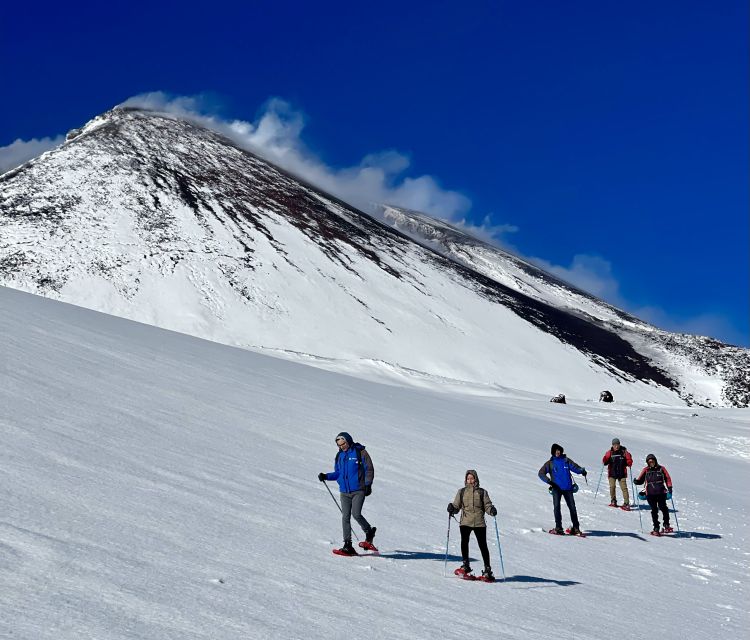
Just remember: Etna’s upper area can bring wind, cold, and sometimes ice or snow. The tour includes warm jackets, but you still need long pants and proper footwear, plus a windbreaker.
Southeast Crater base and the 2002 craters: seeing active change in layers
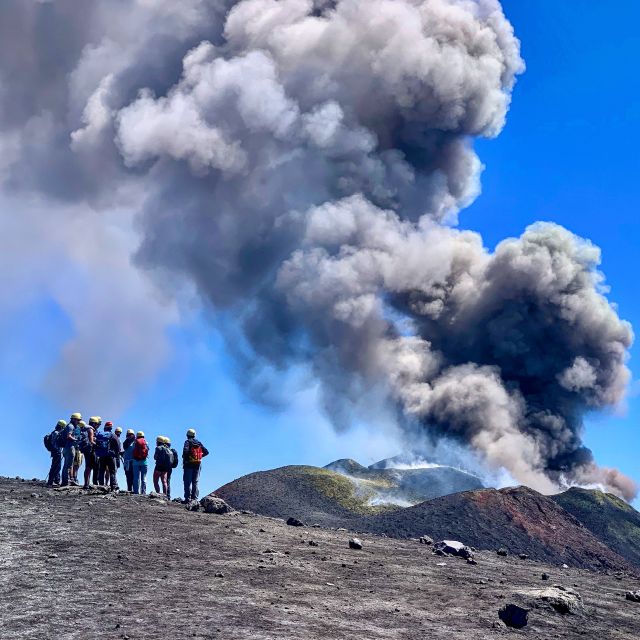
As the hike climbs toward the most active crater at the time of the tour, you’re guided to the base of the Southeast Crater. This is one of the biggest “you came all this way” moments, because the goal isn’t just to reach a viewpoint. It’s to explore volcanic areas while staying away from the danger zone under guide control.
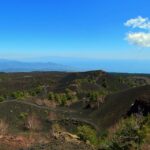
From there, the route continues toward the large craters of 2002. This part of the experience is special because it highlights how Etna repeats patterns across different eruption periods. You’re not seeing one single eruption footprint. You’re seeing a stack of volcanic activity that reshapes the terrain again and again.
One detail I find useful for planning: the route includes a small basalt canyon on the way, but it may be buried by snow in winter. That’s a real-world reminder that you’re hiking a living volcano with weather acting like a variable. If you’re traveling in colder months, accept that some features might be partially obscured.
Also, your time near the craters can be weather-dependent. Even on a clear day, wind at high altitude can make standing still uncomfortable. The tour builds in breaks and guided focus so you’re not just enduring conditions.
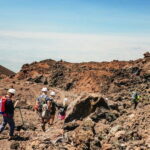
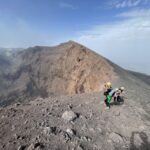
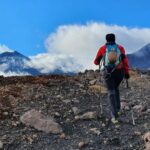
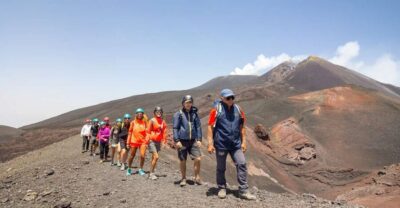
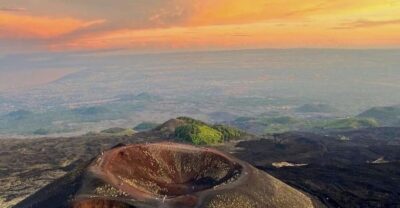
Higher up Etna on foot, towards the summit craters.
Valle del Bove and the return ride: descent is where knees notice everything
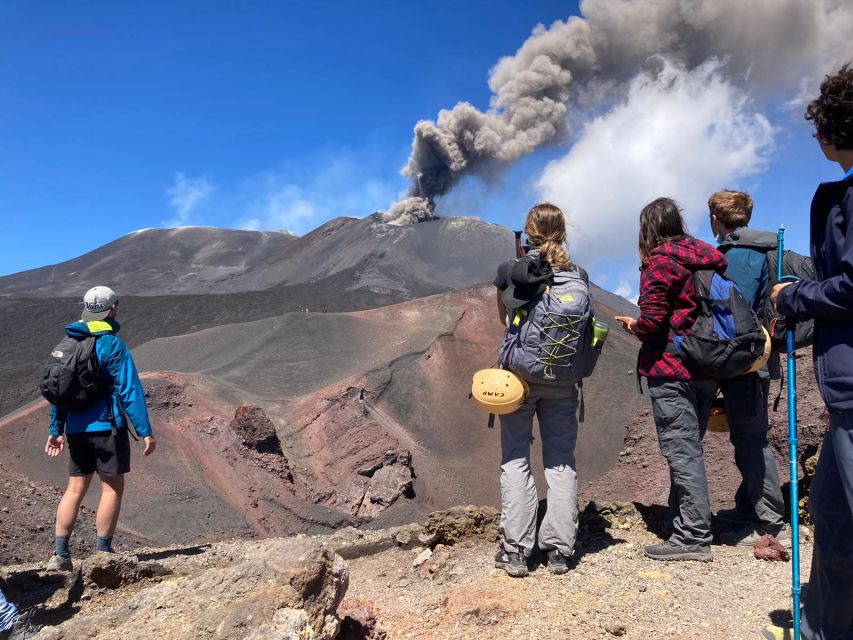
After the crater-zone walking, the day turns toward the descent. The itinerary references a transfer through Valle del Bove (about 20 minutes) and then returning back to the meeting point.
The description notes that the route includes descending a path that can be full of snow in winter, leading back toward the cable car station. Descent is usually harder on your body than the climb, especially if the ground is sandy, icy, or uneven. You’re likely to feel your knees and ankles more on the way down, even if the ascent felt manageable.
The tour provides trekking poles, which you should actually use. Poles help with balance and reduce strain on knees when the trail turns steep or slippery. I also suggest wearing layers you can adjust quickly. The moment you start descending, you might warm up, then get chilled again when wind hits.
When you reach the cable car station, the return becomes more relaxed. But the day is still part trekking, part exposure to a high-altitude volcano environment. Treat the full 5 hours as a single continuous workout, not just the “exciting crater part.”
Gear, clothing, and what to pack when the wind is the main character
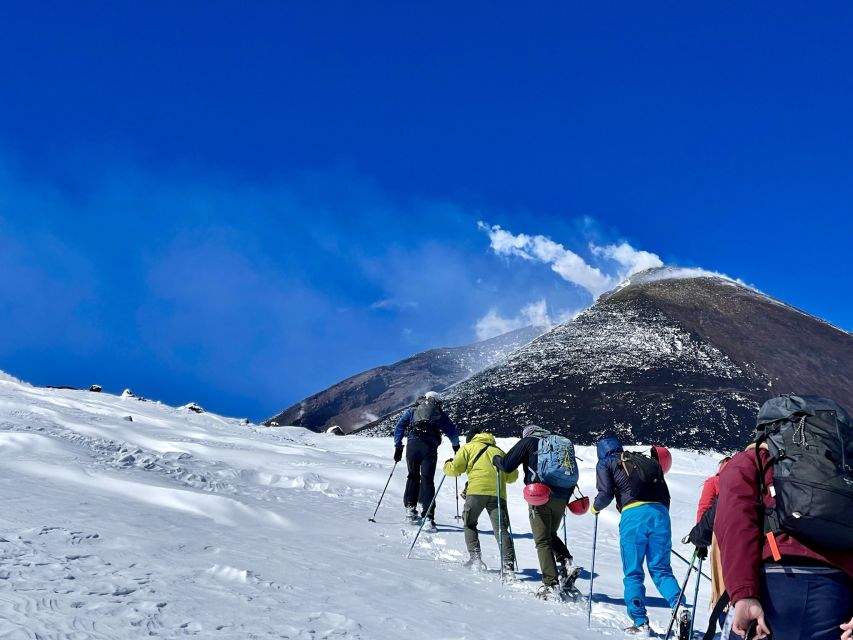
The tour includes trekking poles, helmets, warm jackets, trekking shoes, and a backpack. It also includes accident insurance and the Etna entry fee. That’s a lot of base equipment handled for you, which helps value and reduces packing stress.
Still, you need to show up with the basics:
- Windbreaker
- Sunglasses
- Long pants
- Sunscreen
- Snacks and drinks
- Change of clothes
- Comfortable clothes and weather-appropriate layering
- Gloves and hats are not included, so bring them
And please don’t bring prohibited items: high-heeled shoes, sandals or flip-flops. Also avoid alcohol and drugs.
One more practical note from the tour data: without proper shoes, insurance won’t cover you. So even if the tour lists trekking shoes as included, you should still plan around proper hiking footwear and confirm what you’ll be wearing on arrival.
If you run cold easily, treat that warm jacket as a baseline, not a guarantee. At 3,000 meters, you can go from fine to freezing quickly.
Price and value: $28 base plus the on-site fees you must plan for
The base price is listed at $28 per person, but the true all-in cost is higher once you account for the mandatory extras. Two big items are not included:
- Volcanological guide service: €30 per person to be paid on-site
- Round-trip cable car tickets: €52 per person to be paid on-site
Etna entry fee is included, and you get equipment like poles, helmets, warm jackets, and trekking shoes, plus accident insurance. So you’re not just buying a guide. You’re buying safety gear, access fees (entry), and the vehicle lift that puts you near 2,500 meters without hiking the entire vertical.
In plain terms, this tour is best if you want:
- crater walking with licensed guidance
- close exposure to fumaroles and steaming lava areas
- a guided structure that prioritizes safety over sightseeing-only
If you’re already planning to buy a cable car ticket anyway and you enjoy guided nature history, this works as solid value. If you only want photos from farther away, you might be happier with a less physically demanding option.
Who this Etna crater hike is perfect for (and who should skip it)
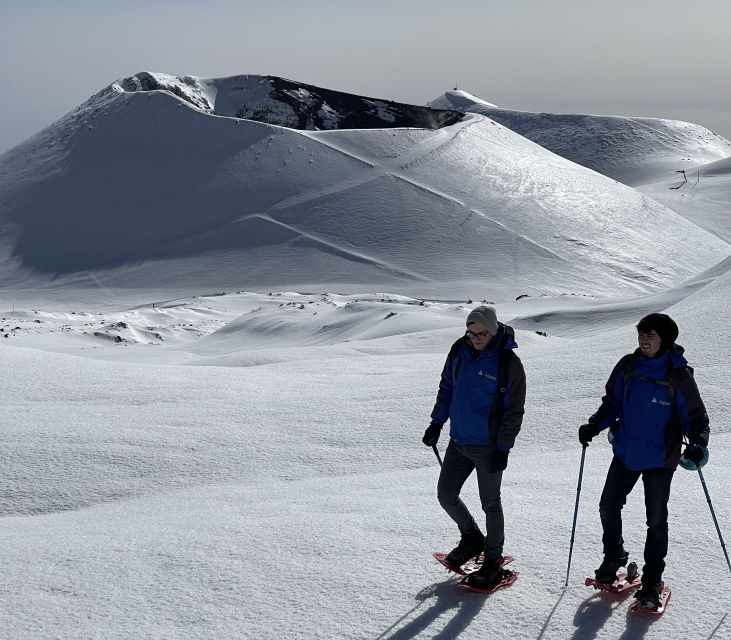
This trek is for trained hikers. The route includes climbing and walking along crater edges, plus high altitude up to about 3,000 meters. It’s also not suitable for a long list of health and mobility situations: people with back problems, mobility impairments, vertigo, respiratory issues, epilepsy, low fitness, high blood pressure, and those with recent surgeries.
So who should go?
- You like physical, guided outdoor days with real risk-managed exposure.
- You enjoy geology and want explanations tied to what your eyes and feet are experiencing.
- You’re comfortable with wind and cold and can handle uneven ground.
- You can maintain steady pace and take breaks when the guide asks.
What about kids? Children under 12 are not allowed on this excursion.
One thing to watch: dizziness near crater edges. If that happens to you on heights, even mild heights, this tour is probably not worth the stress.
How the guide experience feels in real life (from guide names you might see)
This is one of those activities where guide quality changes everything. The tour is run by Guide Vulcanologiche Etna Nord, and past groups have been led by names like Andrea Montemagno, Vincenzo, Fabio, and Nikkos. Across those guides, the common theme is safety-first pacing plus clear explanations in English and Italian (and French, depending on the group).
Some days are smooth and other days are icy and windy. In winter or shoulder season, you should expect conditions to be serious enough that your footwear and clothing matter. The guide’s job is to keep you moving through the safe parts of the route and adjust based on what’s happening that day.
If you want a tip that works regardless of who leads you: listen when they brief you. The trail choices and stop points exist for reasons you won’t guess in the moment.
Should you book this Mount Etna volcano craters hike?
Book it if you want an active-volcano experience that feels hands-on: fumaroles, steaming lava zones, crater walking, and real geology explained while you’re standing there. This tour also has strong value on the equipment side, because warm jackets, poles, helmets, and even trekking shoes are part of the deal.
Skip it if you’re looking for an easy walk, if you get dizzy around heights, or if you have any of the listed health issues. Also think twice if you’re not comfortable with the altitude and the possibility of snow or ice.
If you’re on the fence, ask yourself one question: are you the type who enjoys learning by doing, even when the wind cuts through your layers? If yes, this is a memorable way to spend a day on Sicily’s most famous mountain.
FAQ
Where do I meet for the Mount Etna tour?
You meet in the parking lot in front of the Esagonal Bar, with guides waiting there. The start is also listed as Etna Guides Official.
How long is the experience?
The duration is listed as 5 hours.
What altitude do we reach on this hike?
You begin at about 1,900 meters, take the cable car up to around 2,500 meters, and then hike up to about 3,000 meters with special authorization for scientific purposes.
Is the cable car ticket included?
No. Round-trip cable car tickets cost €52 per person and are paid on-site.
Is the volcanological guide service included?
No. The volcanological guide service is an additional €30 per person paid on-site. If you do not pay this additional fee, you will not be able to participate in the hiking activity.
What’s included in the price?
Included items are trekking poles, helmets, accident insurance, Etna entry fee, warm jackets, trekking shoes, and a backpack.
What should I bring and wear?
Bring a windbreaker, sunglasses, change of clothes, snacks, drinks, hiking shoes, sunscreen, and weather-appropriate clothing plus long pants. Gloves and hats are not included, so bring your own.
Is the tour suitable for children?
No. Children under 12 are not allowed on this excursion.
When can the tour be canceled?
The tour requires a minimum of 8 participants. It may also be canceled in adverse weather, with notice provided as soon as possible to cancel or reschedule.
More Tour Reviews in Mount Etna
More Etna Summit Hikes and Treks
More Etna Volcano Tours from Catania
After something different? More tours and day trips around Catania and eastern Sicily
Etna Volcano Tours from Catania, compared.
 ★ 4.8Mount Etna Morning or Sunset Day Trip with TastingFrom $704,028 reviews
 ★ 4.7Guided Volcano Summit Hiking Tour with Cable CarFrom $1243,784 reviews
 ★ 4.8Sunset Jeep Tour of Mount Etna and Lava Flow CavesFrom $712,113 reviews
 ★ 4.8Etna and Alcantara Gorges Full-Day Tour with LunchFrom $1051,766 reviews
 ★ 4.7Etna Volcano: South Side Guided Summit HikeFrom $671,545 reviews
 ★ 4.8Guided Trek 3,000 Meters to the SummitFrom $1131,407 reviews
 ★ 4.9Mount Etna Trekking Trip off the Tourist PathFrom $781,351 reviews
 ★ 4.8Etna Sunset Tour with Pickup and Drop-offFrom $711,348 reviews
Browse the lists this tour appears in