
Reviewed · ETNA VOLCANO TOURS FROM CATANIA
Mount Etna: Ascent to 2800m by 4×4
Mount Etna makes you feel small fast, in a good way. This 4×4 ascent takes you high and close, with a real volcanologist to translate the chaos of an active volcano into something you can actually understand.
I especially like the mix of comfort and wow: a smooth-as-it-can-be 4×4 bus ride up rough volcanic roads, then short walks where the views do the heavy lifting. You’ll also get the practical info that helps you look at Etna correctly, not just snap photos.
One drawback to plan for: it’s an altitude day on uneven ground. It can feel very cold up top, and the crater-rim areas mean you need to take safety seriously, especially with kids around.
In This Review
- Key highlights to know before you go
- From Piano Provenzana to the 4×4: where Etna starts feeling real
- The climb to Pizzi Deneri (2810m) on a rough road you’ll remember
- Meet the volcanologist guide and get Etna in human terms
- The short hike above 2800m: where the views stop being optional
- The crater-rim moment: reaching the edge from the 2002 eruption
- Valle del Bove and the northeast crater: learning to read Etna from above
- What 2.5 hours feels like in real life
- Price and value: is $100 per person worth it?
- Who should book the Mount Etna 4×4 ascent, and who should skip it
- Should you book this Mount Etna 4×4 ascent?
- FAQ
- How long is the Mount Etna 4×4 ascent tour?
- Where do I meet for the tour?
- How high do we go on this trip?
- What’s included in the price?
- What languages are the guides offered in?
- What should I bring for the day?
- Is the tour suitable for everyone?
- Can I cancel or change plans?
Key highlights to know before you go
- A certified volcanologist guide explains what you’re seeing in plain language, not a lecture in the clouds.
- Pizzi Deneri (2810m) by 4×4 means less hiking, more time at the viewpoints.
- Short treks take you above 2800m, with a target around 2865m depending on conditions.
- Valle del Bove views let you spot major features from a high, safe-ish angle.
- A 2002 eruption crater edge walk gives you a clear “this happened recently” moment at altitude.
From Piano Provenzana to the 4×4: where Etna starts feeling real
Your day begins on the north side of Etna at Piano Provenzana. This matters because the volcano isn’t one single viewpoint. Etna is a whole system of craters, valleys, and layers, and going in from the north side helps you see big shapes quickly.
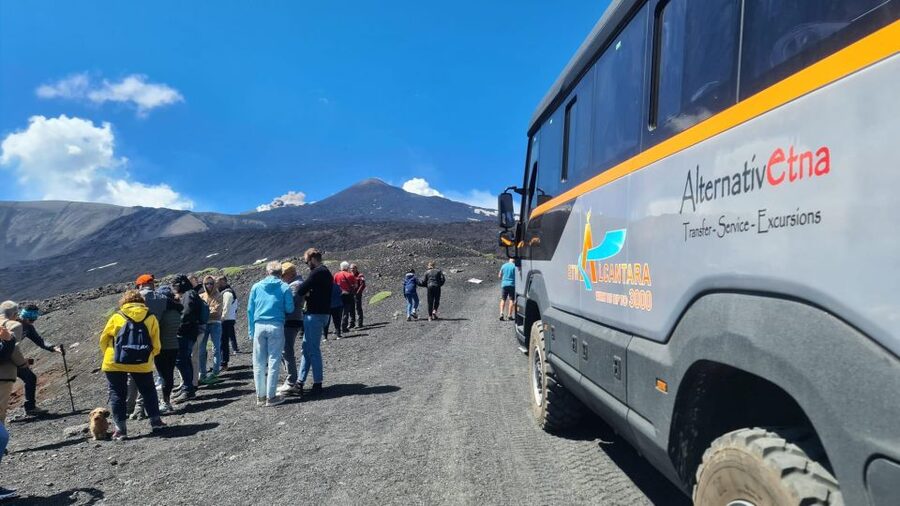
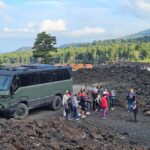
You meet at the Alternativetna office, then board a comfortable 4×4 bus. The ride is part “adventure vehicle,” part “practical solution.” You’re going up on unpaved roads where regular buses just wouldn’t be the right tool. I like that the tour doesn’t pretend you’ll do this like a hardcore trek. It meets you where you are, then spends your energy on the parts that actually pay off.
Expect the mood to change as you gain altitude. At lower elevations, Etna can feel like a mountain. Once you’re high enough, it starts feeling like another planet.
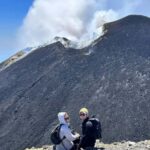
Back up the volcano, with Etna smoking above Catania.

The climb to Pizzi Deneri (2810m) on a rough road you’ll remember
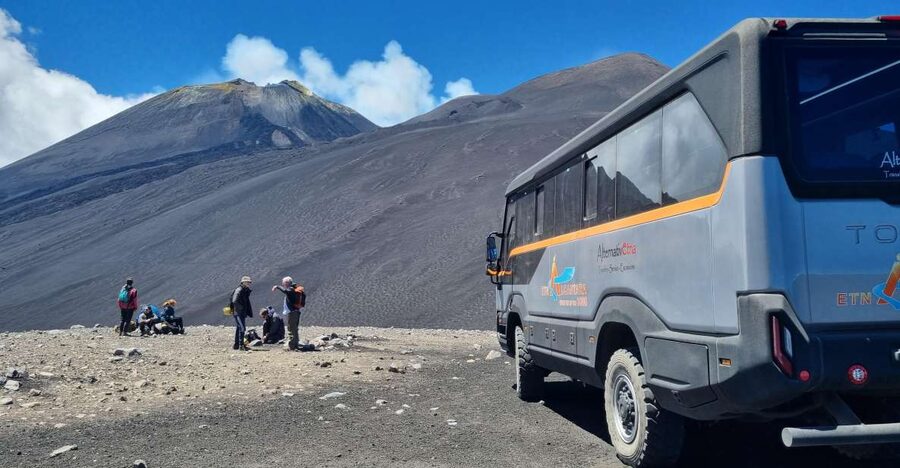
The 4×4 takes you up to the astrophysical observatory area at Pizzi Deneri (2810m). Even if you never think about astronomy, that stop has a point. At that height, the air gets thinner and the terrain gets stark, so the volcanic forms are easier to read. You’re not just looking at Etna. You’re viewing it the way scientists would need to: from above, with distance and perspective.
On the way, you’ll pass through and look at craters and old lava terrain. This is where the “moon-like” feeling starts to kick in. Etna doesn’t look polished. It looks busy, broken, and layered. That’s the point.
I also like how the tour builds in viewpoints rather than making you stare out one side of the vehicle the whole time. You get those short pauses to reorient, ask questions, and take in sweeping vistas that stretch toward the sea.
Meet the volcanologist guide and get Etna in human terms
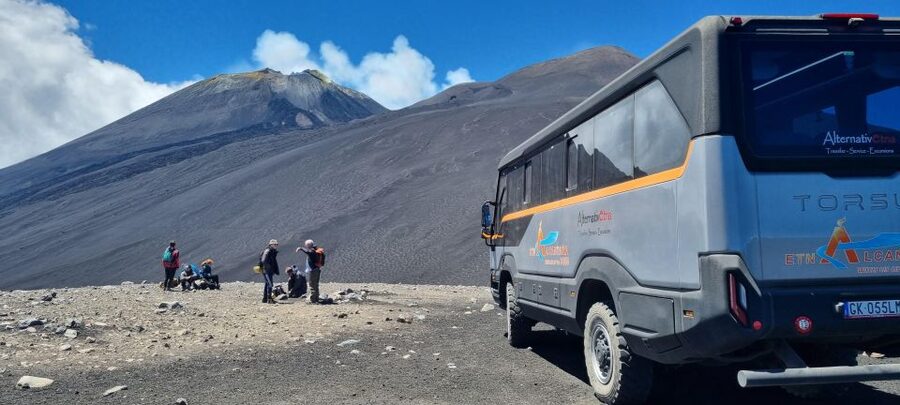
What makes this tour work is not just height. It’s context. You travel with a licensed volcanological guide, and that guide’s job is to explain what you’re seeing while you’re still there to look.
If you’ve ever stood in front of a famous landmark and thought, I have no idea what I’m looking at, this is the fix. The guide ties together the features you see: older crater structures, the layout of valleys, and why an active volcano changes over time.
From what I’ve seen in how guides are praised here, you can expect clear English and patient explanations (names like Giuseppe, Flavio, and Sandi have been mentioned as leading the experience). The big value is that you don’t just get facts. You learn what to notice: shapes, slopes, and how recent activity differs from older layers.
The short hike above 2800m: where the views stop being optional
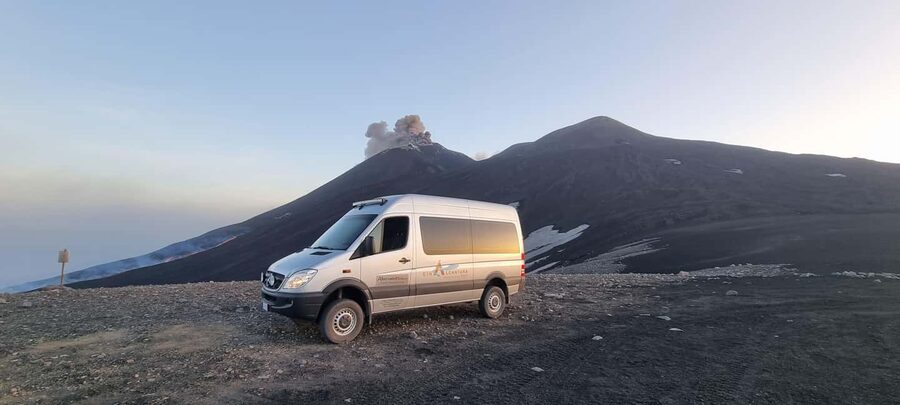
Around 2805m, you get out and take a short trek upward to a target altitude around 2865m. The exact top height can vary depending on volcanic activity. That’s not a downside. It’s the real-world part of touring an active volcano: conditions can shift.
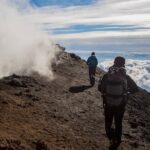
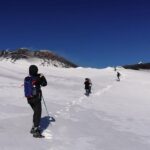
This walk is short, but it’s not nothing. You’re higher than most people ever get in Sicily, and you’ll feel it. You’ll likely also feel the weather. One of the most practical pieces of advice from experience here is to be ready for cold—yes, even snow can show up at these altitudes.
What you’re aiming for is a viewpoint where the view opens dramatically. One of the standout elements is being able to see Valle del Bove underneath the northeast crater from this elevated perspective. When you look down into a volcanic valley from above, it clicks. Etna isn’t just a cone. It’s a set of interacting landscapes carved by past eruptions and collapses.
And then there’s the air and the light. At altitude, clouds can drift low and change what you can see in minutes. In other words: if the sky looks dramatic, it’s probably not staging. It’s just Etna doing Etna things.
The crater-rim moment: reaching the edge from the 2002 eruption
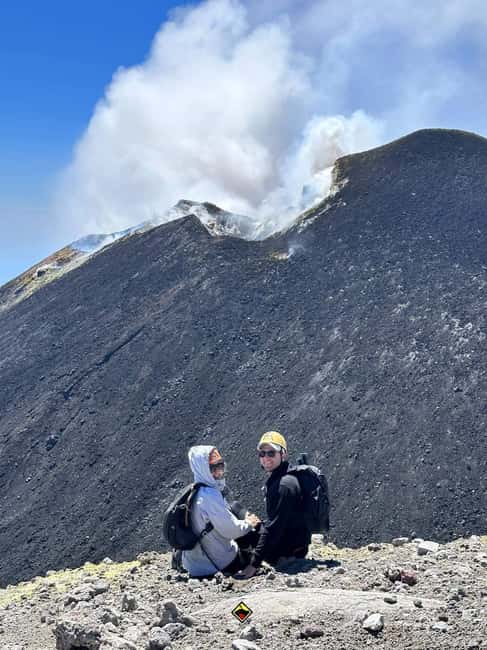
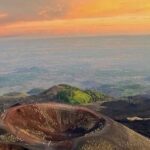
After the higher viewpoint, you return to the bus and descend to around 2200m. Then you do another short trek—about 20 minutes—to the edge of the crater left from the 2002 eruption.
This stop has a special kind of power: it’s recent, at least in geological time. You’re not just imagining what happened. You’re walking near the results and seeing how the terrain holds onto that story.
I’d treat this part as a real “listen with your eyes” moment. The guide’s explanations matter here, because the crater edge can look like a dramatic cliff to the untrained eye. With the right framing, you can start noticing what looks fresh versus what looks older, and how the shape tells you about the eruption behavior.
Now, safety. The crater edge area is close to drop-offs. If you’re traveling with kids or anyone who tends to rush forward, you’ll want to stay disciplined and follow the guide closely. Even the best views aren’t worth risky behavior.
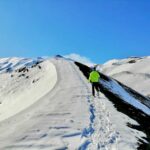
Higher up Etna on foot, towards the summit craters.

Valle del Bove and the northeast crater: learning to read Etna from above
A lot of Etna tours give you pictures. This one leans more toward understanding. The altitude viewpoint gives you the ability to connect different features: the valley beneath the northeast crater, the way the terrain slopes away, and how volcanic formations can look both chaotic and structured.
This is also where the volcanologist guide can turn what could feel confusing into something you can explain later. You’ll likely learn how features like the valley and crater relate to past activity, and you’ll get a sense of how Europe’s most active volcano keeps changing.
If you care about photography, this stop is strong. You’re high enough to get wide framing, and you’re close enough to see textures in the lava terrain. If you don’t care about photos, it’s still worth it, because it helps you understand why Etna’s eruptions are so significant.
What 2.5 hours feels like in real life
A 2.5-hour total duration is the smart trade-off. It’s short enough that you don’t spend your whole day fighting fatigue, yet long enough to hit the most memorable altitude moments.
Here’s the practical breakdown in your head:
- You spend a real portion of the time in the bus going up and down.
- You do short walks at high altitude, not long hikes.
- You get enough stops to ask questions and to actually look, rather than just passing through.
If you’re choosing between Etna experiences, this is often a better fit than longer, more punishing hikes—especially if you want the best views without turning the trip into a full-day endurance event. At the same time, it’s still not an indoor tour. Bring proper footwear and treat the day like a light mountain outing.
Price and value: is $100 per person worth it?
$100 per person for a volcanologist guide plus round-trip 4×4 transport up to roughly 2810m is, in my view, fair value. You’re paying for two things that are hard to replicate on your own:
1) High-altitude access on unpaved roads without the hassle of figuring it out yourself.
2) A licensed guide who helps you interpret what you see at 2800m+, including the 2002 crater area.
Also, the time efficiency matters. You’re not spending half your day just getting there. You’re spending the day looking at Etna’s key features, with just enough walking to make the viewpoints feel earned but not exhausting.
If you’re the type who loves guided structure—someone to explain the why behind the what—this price starts to feel even more reasonable. If you only want a casual viewpoint and don’t care about interpretation, you might question whether a guide is worth it. But for most people, the guide is the difference between random scenery and a real Etna story.
Who should book the Mount Etna 4×4 ascent, and who should skip it
This tour is a strong match if you want:
- dramatic Etna views without long hikes,
- a real explanation from a volcanologist guide,
- and a short day plan that still feels like a major experience.
It’s also noted as wheelchair accessible, which is a big plus for travelers who can manage some steps of logistics but need the vehicle support to reach high viewpoints. That said, the tour is not suitable for certain health situations. It’s listed as not appropriate for pregnant women and for people with back problems, heart problems, high blood pressure, and some other limits (like babies under 1 year and people over 95 years).
If any of those apply to you, I’d treat the safety list as non-negotiable and look for other options.
Should you book this Mount Etna 4×4 ascent?
I’d book it if you want the classic Etna moments—2810m access, viewpoints above 2800m, the Valle del Bove view, and the 2002 eruption crater edge—without committing to a long hike. The short treks are the right length for most people, and the guide element makes the whole day feel more meaningful than sightseeing from a distance.
I’d be cautious if you hate cold weather, can’t handle uneven outdoor terrain, or if your group needs extra space and calm around crater edges. If that’s you, bring warm layers, keep a steady pace, and stick close to your guide.
If you’re flexible and want a high-impact Etna experience that doesn’t swallow your whole day, this is a solid pick.
FAQ
How long is the Mount Etna 4×4 ascent tour?
The tour duration is 2.5 hours.
Where do I meet for the tour?
The meeting point is at the Alternativetna office.
How high do we go on this trip?
The 4×4 takes you up to the area of Pizzi Deneri at about 2810m. You also take a short trek to a viewpoint around 2865m, depending on volcanic activity.
What’s included in the price?
Round-trip transportation by 4×4 bus and a licensed volcanological guide are included.
What languages are the guides offered in?
The live tour guide is available in English and Italian.
What should I bring for the day?
Bring sunglasses, hiking shoes, a daypack, and hiking pants.
Is the tour suitable for everyone?
It is listed as wheelchair accessible, but it is not suitable for pregnant women, people with back problems, people with heart problems, people with high blood pressure, babies under 1 year, or people over 95 years.
Can I cancel or change plans?
Free cancellation is available up to 24 hours in advance for a full refund, and there is a reserve now & pay later option.
More Tour Reviews in Catania
More Etna Summit Hikes and Treks
More Etna Volcano Tours from Catania
After something different? More tours and day trips around Catania and eastern Sicily


Etna Volcano Tours from Catania, compared.
 ★ 4.8Mount Etna Morning or Sunset Day Trip with TastingFrom $704,028 reviews
 ★ 4.7Guided Volcano Summit Hiking Tour with Cable CarFrom $1243,784 reviews
 ★ 4.8Sunset Jeep Tour of Mount Etna and Lava Flow CavesFrom $712,113 reviews
 ★ 4.8Etna and Alcantara Gorges Full-Day Tour with LunchFrom $1051,766 reviews
 ★ 4.7Etna Volcano: South Side Guided Summit HikeFrom $671,545 reviews
 ★ 4.8Guided Trek 3,000 Meters to the SummitFrom $1131,407 reviews
 ★ 4.9Mount Etna Trekking Trip off the Tourist PathFrom $781,351 reviews
 ★ 4.8Etna Sunset Tour with Pickup and Drop-offFrom $711,348 reviews
Browse the lists this tour appears in