
Reviewed · ETNA WINE TASTING TOURS FROM CATANIA
Catania: Volcanic Wine Tasting in a Metropolitan Market
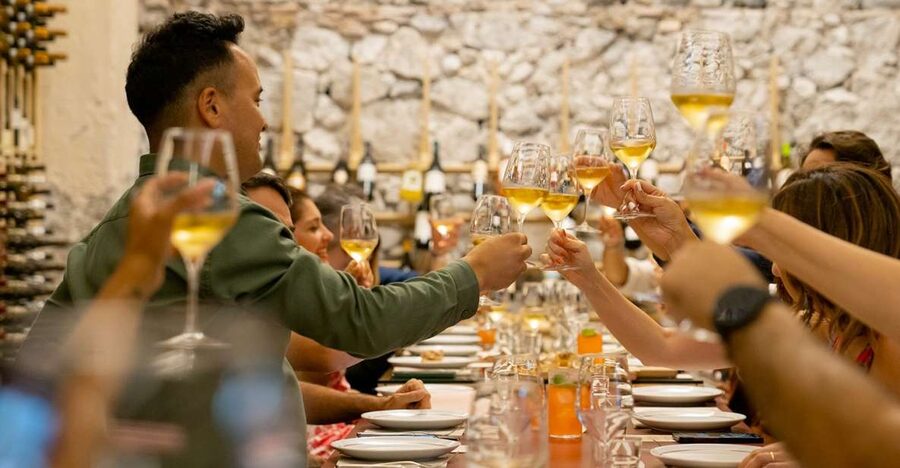
Volcanic wine tastes like real place. This guided stop in Catania’s Piazza Scammacca pairs the drama of Sicily’s volcano stories with hands-on tasting, so the flavors click fast. I like that the session connects what you smell and sip to the volcanic soils that shape these wines.
My second favorite part is the food: you get matching samples designed for each pour, not random snacks. Expect guides such as Luca and Dominico to talk you through what you’re tasting, and local chefs to bring the pairings into focus. One possible drawback: the tasting flow can feel a bit slow between pours, so plan to settle in rather than rush.
In This Review
- Key Things to Know Before You Go
- Piazza Scammacca: Starting With Catania’s Market Energy
- The Volcanic Wine Story: Why Etna Shapes the Glass
- What the 1.5-Hour Flow Really Feels Like
- Four Pours, Four Pairings: Turning Tasting Notes Into Food Sense
- The Food Side of the Tasting: Local Chefs at Work
- Price and Value: Is $53 Worth Your Evening?
- Practical Tips to Get the Most From Your Tasting
- Who This Tasting Suits Best (and Who Should Skip It)
- Book It or Skip It: My Decision Guide
- FAQ
- How long does the Catania volcanic wine tasting last?
- What’s included in the price?
- Where do I meet for the tasting?
- Do I need to eat before the tasting?
- What languages are available during the tour?
- Is the tasting wheelchair accessible?
- Who is the experience not suitable for?
- Is there free cancellation?
Key Things to Know Before You Go
- Piazza Scammacca start: begin in Catania’s first metropolitan market and stay rooted in local life.
- Volcano-to-glass explanations: you learn how volcano origins and soil traits influence the aroma and flavor.
- Four glasses in 1.5 hours: enough variety to compare styles without dragging the evening.
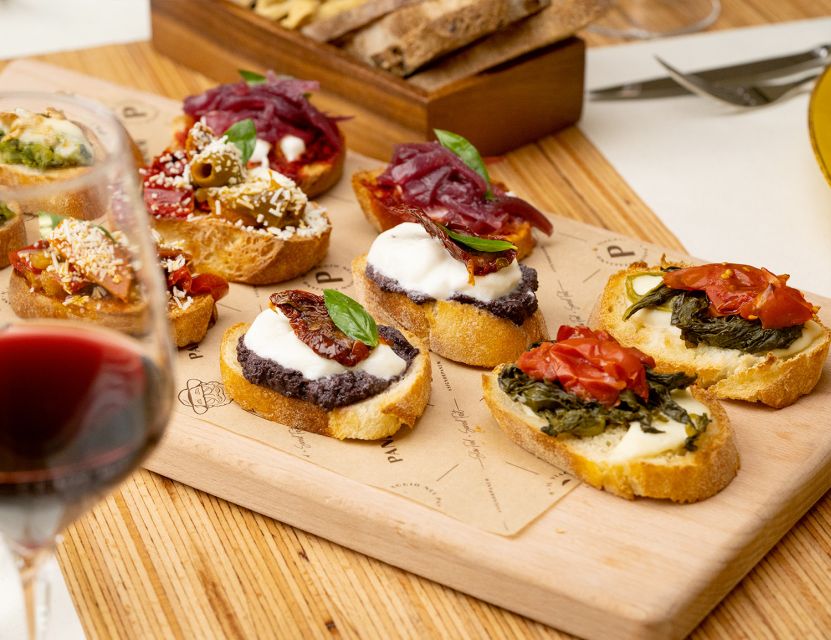
- Food pairings are built for the wines: each wine comes with a tuned sample from the chef team.
- English and Italian guides: you can follow along comfortably in either language.
- Popular format, small-group feel: many descriptions point to a more personal setup than a big crowded tour.
Piazza Scammacca: Starting With Catania’s Market Energy
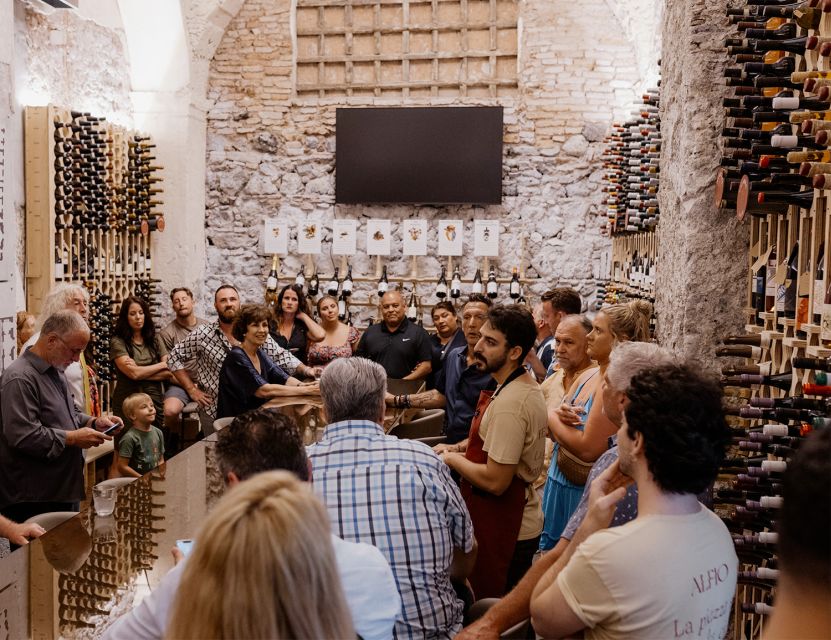
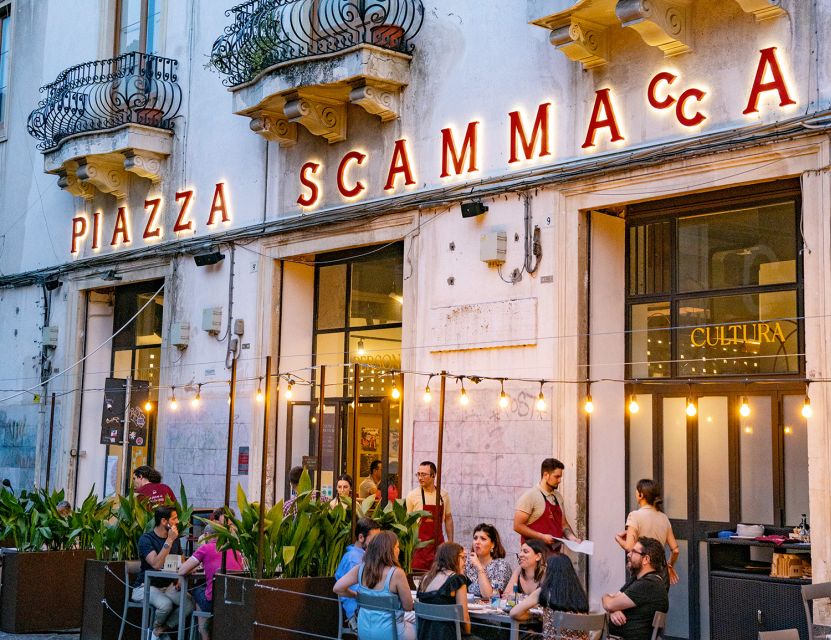
If you want Catania without the tourist-bubble script, start at Piazza Scammacca. This is a working, metropolitan-style market area, and the tasting begins right at the entrance. You’ll show your confirmation voucher to staff there, then move into the tasting space.
What I like about this setup is that it keeps the wine experience tied to the city around it. Instead of disappearing into a hotel lounge, you’re meeting the day’s vibe and people-watching energy before you taste. Even better, the location matters because it gives context: this is Sicily, where food and wine live side by side.
One extra note from people who went: the venue has a special atmosphere, described as being inside an older religious-style space (think old church or cathedral vibe). That kind of setting makes even a short tasting feel like an event, not just another glass-and-go stop.
Tastings at the Etna wineries on the volcano's dark slopes.
The Volcanic Wine Story: Why Etna Shapes the Glass
This tasting is themed specifically around Sicilian volcanic wines, and the core idea is simple: volcano activity shaped the soils, and those soils shape the wine.
Here’s what you’re actually getting in the session:
- you hear how volcano eruptions and volcanic soil characteristics influence smells and flavors
- you learn that volcano origins and compositions differ, and those differences show up in the bottle
- you connect what you taste to that “why,” so you’re not just collecting opinions
Instead of generic wine facts, the focus is on cause and effect: soil → grape behavior → fermentation and final flavor. That’s why the theme feels surprising. Volcanic wines aren’t just another label style. They’re a way of tasting geography—without needing a science degree.
You’ll also notice that the tasting isn’t limited to red wines. At least one bubbly white pour has been described as not being champagne or prosecco, which signals that the session is willing to branch out so you can compare styles, not just follow a safe script.
What the 1.5-Hour Flow Really Feels Like
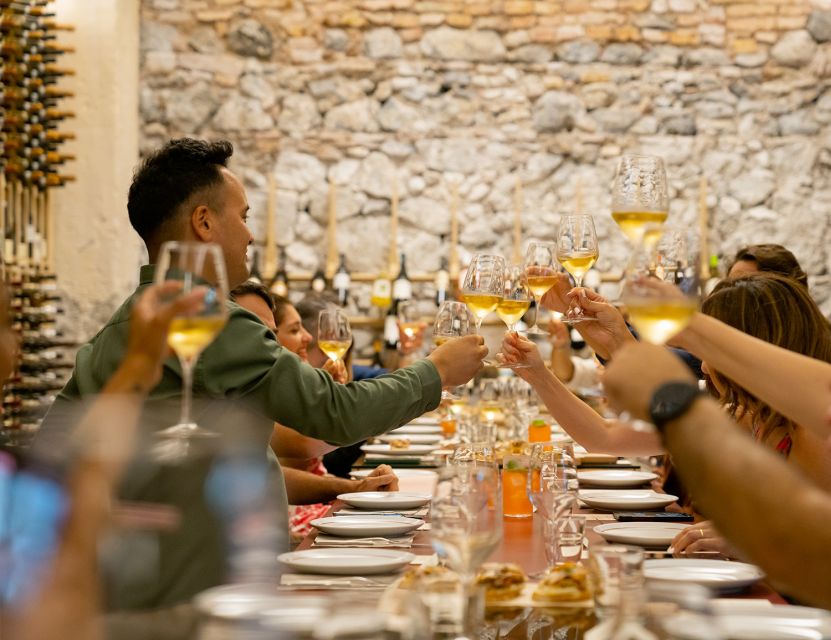
The experience runs about 1.5 hours, and that time limit is important. Four pours plus food samples is a lot to fit in, so the pacing can swing depending on the group and timing.
Most of the experience is guided: a sommelier explains the wines, then the chef pairing lands alongside your glass. Names that show up in the guide lineup include Luca, Dominico, Gabrielle, Andrea, and Frederico, so you should expect someone who can talk through the logic of volcanic character in plain language.
That said, one caution is pacing between pours. A few guests flagged longer wait times than expected, especially when the room wasn’t very full. Translation for you: if you hate awkward gaps, set your expectations. Use the downtime to taste with your nose, read the flavors as they evolve, and treat the experience like a calm wine conversation rather than a strict clockwork show.
Also, the most helpful tips from the good moments are the little “listen-for-this” cues—what aroma to hunt for, how to notice how one wine differs from the last, and what to expect from the next pairing.
Four Pours, Four Pairings: Turning Tasting Notes Into Food Sense
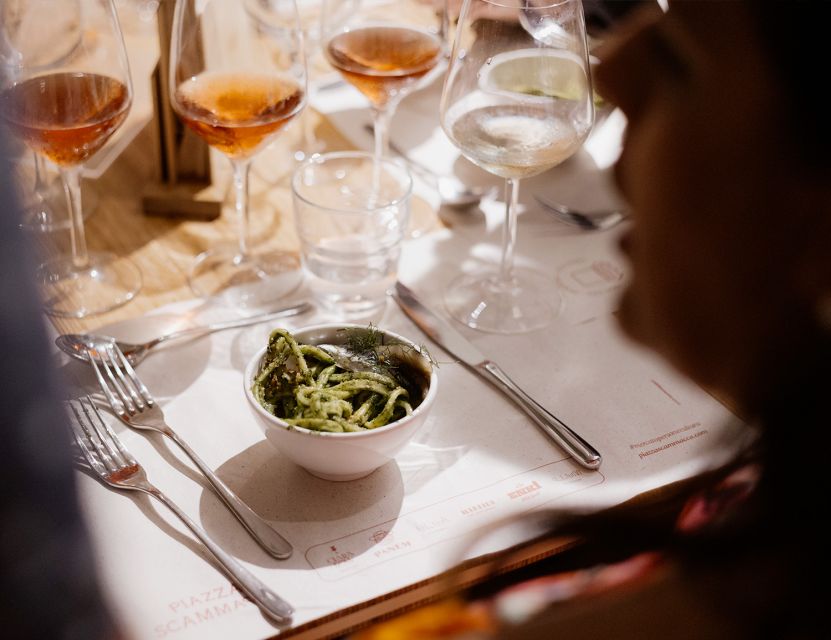
You’ll taste four glasses of Sicilian volcanic wines. Each pour comes with a food sample designed to match it. This is a big deal for value, because it changes the tasting from an isolated drink activity into a full flavor equation.
Here’s why the pairing format works for real people:
- wine often tastes simpler alone than it does with salt, fat, spice, or texture
- pairing teaches you how the wine behaves when your palate has context
- you get better at describing flavors because food gives you reference points
In plain terms, the sommelier isn’t just saying, This tastes like X. They’re pairing so you can experience how X turns into something more coherent on the palate.
Some pairings are described as tapas-style and snack-like, which makes sense for a market setting. You’re not being asked to do a full restaurant dinner during the tasting window, but you’re also not leaving hungry. One common tip: don’t plan a heavy dinner beforehand. If you do, you’ll blunt the food-and-wine effect.
The Food Side of the Tasting: Local Chefs at Work
Food samples are included, and they’re not treated like an afterthought. Chefs help shape the matches so the wines and bites work together.
A few specific details that help you plan:
- The pairing includes multiple small items across the tasting, not just one generic snack.
- The food quality gets praise as first-class in multiple accounts.
- One guest with gluten intolerance reported that a special food option was prepared.
Because dietary details aren’t listed in the activity description, the safest move is to mention dietary needs when you book (or contact the operator if you can). If they’ve handled gluten intolerance before, there’s a good chance they can discuss options, but you shouldn’t assume anything without checking.
Also, the tasting venue reportedly has multiple kitchens or food-prep areas, which hints that the staff isn’t scrambling at the last second. That matters because good pairing takes coordination.
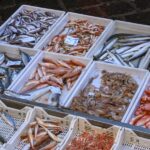
More Catania food and drink to seek out.


Price and Value: Is $53 Worth Your Evening?
At $53 per person for about 1.5 hours, you’re paying for more than four glasses. You’re paying for:
- guided wine interpretation (sommeliers like Luca and Dominico have been specifically praised)
- crafted food pairings with each pour
- access to a themed experience tied to Sicily’s volcanic character
- a market-area starting point that keeps it grounded in Catania rather than staged somewhere off to the side
If you were to buy the same wines at a bar, you’d spend money on drinks—but you wouldn’t get the pairing logic or the volcano-to-glass explanation. And if you booked a meal, you’d get food, sure, but you wouldn’t get the structured comparison across four wine styles in a short time.
Is it a bargain? It’s not a $20 supermarket deal. But in terms of what you get per hour—four pours plus food and real guidance—the price feels reasonable for a focused tasting experience in Catania.
Where you can improve value is in timing: go hungry enough to enjoy the pairings, not starving, and not full from dinner.
Practical Tips to Get the Most From Your Tasting
Here’s how to make the session work best for you:
- Skip your heavy meal first. The pairings are substantial enough that you’ll feel it later if you eat too much beforehand.
- Treat the gaps as part of the process. If the pacing runs slower, use the time to smell the wine, notice changes as it warms, and compare notes in your head.
- Ask one good question. Guides vary in style, but the best ones will happily answer deeper stuff about volcanic influence or the logic behind each pairing.
- Watch for the bubbly white pour. One guest specifically mentioned a bubbly white that wasn’t champagne or prosecco, so don’t assume your expectations automatically.
- If you have dietary restrictions, ask ahead. Gluten intolerance has been accommodated for at least one participant, which is a helpful sign.
Also, this is an English/Italian guided activity. If you’re comfortable with either language, you’ll probably get more out of it than if you’re relying on vague gestures and hope.
Who This Tasting Suits Best (and Who Should Skip It)
This experience is a strong fit if you want:
- a guided wine tasting in Catania
- a theme that’s more than a label (volcanic soil and how it affects flavors)
- pairing-focused learning instead of just sipping
It may not be the right choice if you:
- want a long, leisurely wine tour (it’s 1.5 hours)
- dislike any waiting between pours (some pacing complaints show up)
- are traveling with people under 18, because the experience is not suitable for children under 18
And importantly, the activity is listed as not suitable for:
- pregnant women
- people with pre-existing medical conditions
One more practical detail: it’s wheelchair accessible, which is a real plus if mobility needs are part of your planning.
Book It or Skip It: My Decision Guide
I’d book this tasting if you want a compact, high-impact way to understand Sicilian wine through volcano influence, with four pours plus food pairings in a market-area setting. The best moments are the guidance and the pairing logic—when the sommelier and chef team are in sync, it clicks quickly and feels worth the cost.
I’d think twice if you hate slower pacing or need constant interaction minute-to-minute. A few accounts mention longer wait times between pours and an ambience that could use more atmosphere, like background music. If that sort of timing friction would ruin your evening, choose a different tasting format with a faster tempo.
If you’re flexible and you like learning by tasting, this is a solid Catania night plan.
FAQ
How long does the Catania volcanic wine tasting last?
The experience lasts about 1.5 hours.
What’s included in the price?
You get 4 glasses of wine and food samples.
Where do I meet for the tasting?
Show your confirmation voucher to staff at the entrance of Piazza Scammacca.
Do I need to eat before the tasting?
Since food samples are included with the wine, it’s a good idea not to plan a full dinner beforehand.
What languages are available during the tour?
The instruction is available in English and Italian.
Is the tasting wheelchair accessible?
Yes, the experience is wheelchair accessible.
Who is the experience not suitable for?
It’s not suitable for pregnant women, children under 18, and people with pre-existing medical conditions.
Is there free cancellation?
Yes. You can cancel up to 24 hours in advance for a full refund.
More Catania Food and Drink
More Tour Reviews in Catania


More Etna Wine Tastings

After something different? More tours and day trips around Catania and eastern Sicily




Etna Wine Tasting Tours from Catania, compared.
 ★ 5.0Etna, Wine and Alcantara Tour – From TaorminaFrom $139464 reviews
 ★ 5.0Tour Etna & Wine TastingFrom $175317 reviews
 ★ 5.0Mt Etna and Wine tasting tour from CataniaFrom $128282 reviews
 ★ 4.5From Catania: Mount Etna Half-Day Tour and Wine Experience214 reviews
 ★ 4.7Pistachio Ravioli, Pasta Home Cooking Class w/ WineFrom $100204 reviews
 ★ 4.9Full-Day Etna and Wine Tour from CataniaFrom $133150 reviews
 ★ 5.0Etna Tour and Lunch in a Winery with Wine TastingFrom $32697 reviews
 ★ 5.0Mount Etna Sunset Tour and Etna Doc WineFrom $7976 reviews
Browse the lists this tour appears in