
Reviewed · ETNA WINE TASTING TOURS FROM CATANIA
Catania: Pistachio Ravioli, Pasta Home Cooking Class w/ Wine
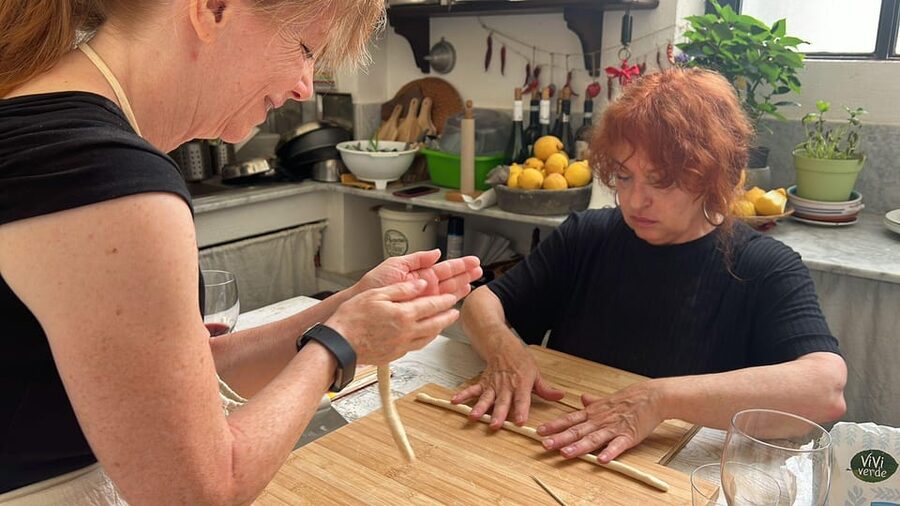
Pistachio ravioli tastes better when you make it. In Catania, this class takes you from fresh dough to filled Bronte pistachio ravioli with a local chef. You learn the how and the why behind Sicily’s famous green gold while your hands stay busy.
I love how hands-on it is, with real technique practice instead of just watching. And I love the wine-paired payoff meal, where your work lands on the table as a proper three-course dinner.
One drawback to plan for: this happens in a home setting with stairs, so it’s not wheelchair friendly, and you’ll need to ring the bell at Vignolo to get inside.
In This Review
- Key takeaways before you go
- Entering the Catania kitchen: ring the bell at Vignolo
- What makes this class Sicilian: the pistachio ravioli and Bronte connection
- The hands-on cooking flow: dough, filling, and shaping your ravioli
- The 3-course dinner you make: bruschetta, ravioli, and a sweet finish
- Wine with your work: how the Sicilian pairing changes the meal
- Price and value: what $100 buys in Catania
- Languages, communication, and what to do if Italian feels shaky
- Who should book this class (and who might not)
- Should you book this Catania pistachio ravioli class?
- FAQ
- How long is the Catania pistachio ravioli cooking class?
- What’s the group size?
- What languages are used during the class?
- What is included with the class?
- Where do we meet?
- Is this activity wheelchair accessible?
- Do I need to pay right away, and can I cancel?
Key takeaways before you go
- Pistachio ravioli from scratch: dough, filling, and shaping all in one lesson
- Bronte pistachio stories: you connect the ingredient to Sicily, not just recipes
- Small group size (max 8): more attention while you’re rolling and filling
- 3-course dinner included: bruschetta, ravioli, and a sweet finish plus drinks
- Home-kitchen atmosphere: warm hospitality, but it’s not a commercial studio
Entering the Catania kitchen: ring the bell at Vignolo
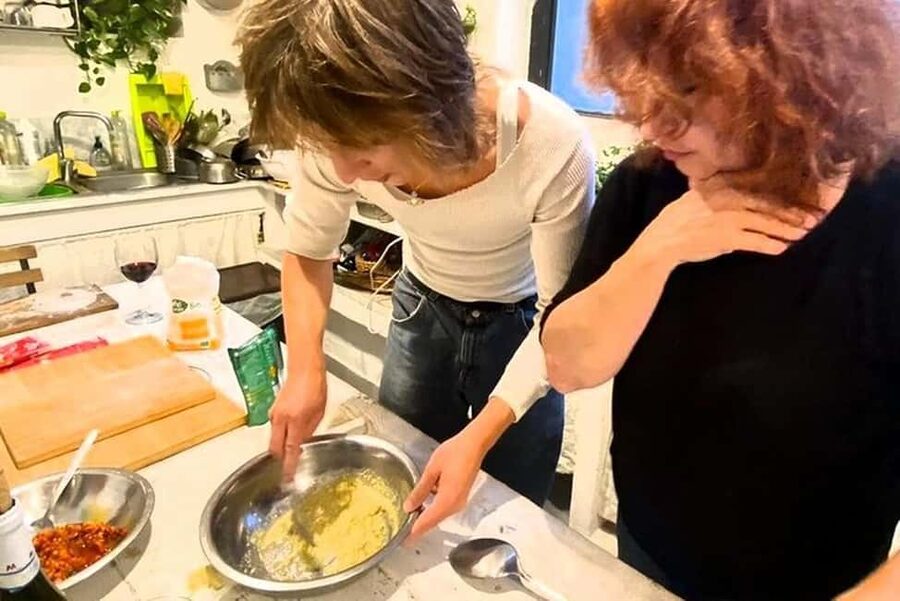
This is the kind of cooking class that feels like an evening at someone’s table. You meet at Vignolo, then you ring the bell to be let in—this is key because it’s not a big storefront with an obvious sign out front. Expect an apartment-home setup, which changes the vibe: it’s calmer, more personal, and you learn by doing right next to the chef.
The format also matters. With a small group limited to 8 people, you’re not fighting for a view of the counter. You’ll likely work around a kitchen setup while the rest of the group cooks too, so you get that steady rhythm of chopping, mixing, shaping, and waiting for dough rest—then doing it again.
Do keep in mind the one practical downside: some reviews describe stairs and a building entry that isn’t “easy mode.” That’s also why the activity is not suitable for wheelchair users. If you’re traveling with mobility limitations, this is the main reason you may want to pick a different food experience.
Tastings at the Etna wineries on the volcano's dark slopes.



What makes this class Sicilian: the pistachio ravioli and Bronte connection
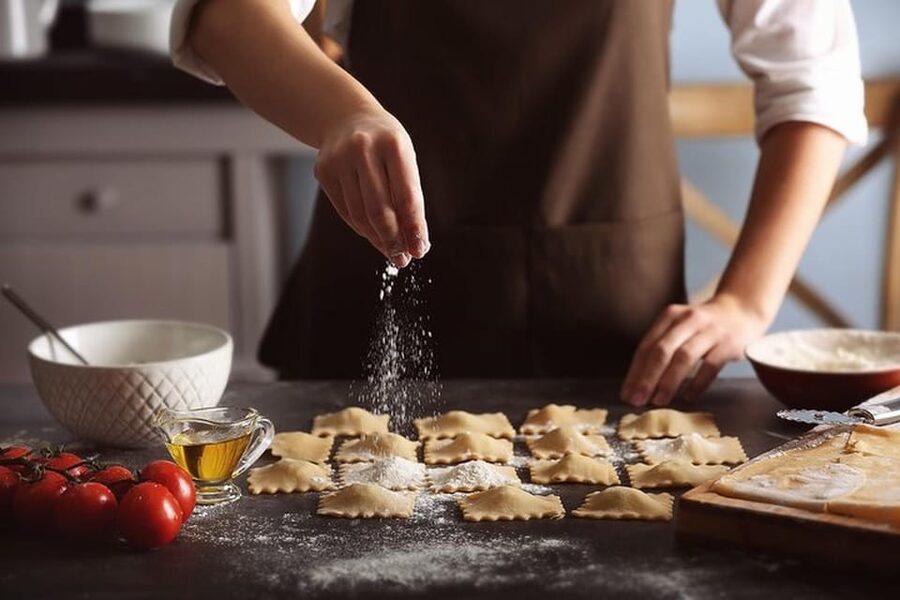
The headline here is pistachio-filled ravioli, taught from scratch. You start by making the pasta dough, then you build the creamy filling, and finally you shape the ravioli. The chef guides each stage, so you’re learning technique rather than just copying motions.
The special touch is the pistachio itself. You’re not just making a green dessert-adjacent filling—you’re learning about Sicily’s “green gold,” including the Bronte pistachio connection. That context helps the dish make sense. Once you understand where the ingredient comes from and why it matters locally, the ravioli stops being a random novelty and becomes part of a real culinary culture.
One reason this works well for value is that you’re making something you can actually re-create later. Pasta dough and ravioli shaping are learnable skills. Even if your first batch isn’t museum-perfect, you’ll leave with a process you can repeat at home: mix, rest, fill, seal, cook.
The hands-on cooking flow: dough, filling, and shaping your ravioli
Here’s how the lesson typically feels as the evening moves along:
First comes the dough work. You’ll prepare fresh pasta dough from scratch, then you’ll deal with the waiting time—dough needs rest to become workable. This is where the experience stays social instead of dragging; you’re usually not left idle.
Then you move to the filling. The filling is creamy and built around pistachios, and the chef’s guidance makes a difference. Too loose and you get leaks; too thick and it’s hard to portion. You learn the texture target, not just the ingredient list.
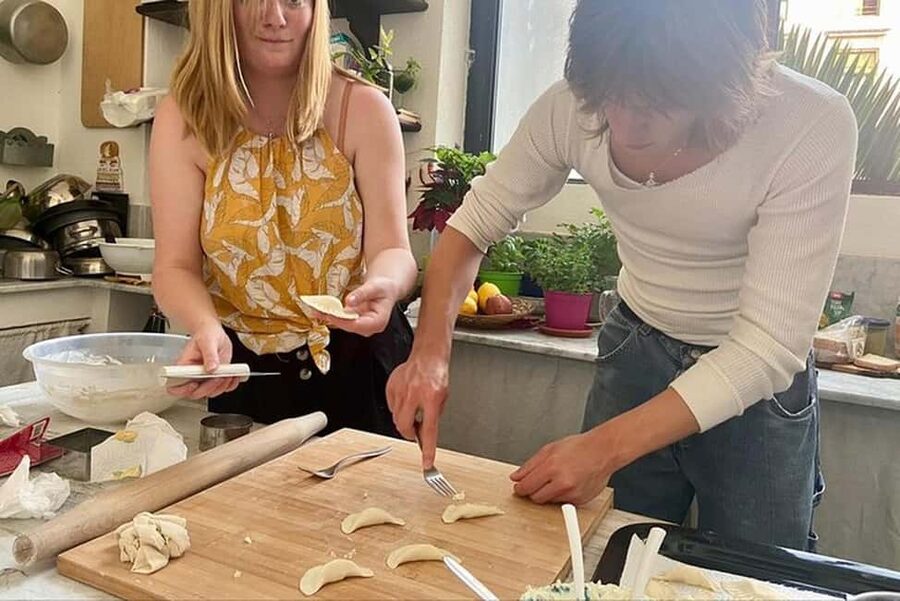
Finally you shape. Ravioli shaping is the part where many cooking classes lose people. Not here. The chef stays attentive, showing you how to portion and seal so the ravioli holds together. In a small group, you can ask questions while others are still working.
A subtle but important benefit: you practice while the kitchen team can correct you. That means you’re less likely to end up with a plate of “experiments.” You’re still making it yourself, but you’re getting feedback in real time.
The 3-course dinner you make: bruschetta, ravioli, and a sweet finish
This class isn’t just a cooking demo with a snack at the end. You sit down to a full three-course meal, and the courses match the skills you learned.
Course 1: pear-and-cheese bruschetta. The bruschetta is described as being topped with cheese, pear, walnuts, and chestnut honey. That combination is very Sicily: sweet meets savory, and the honey ties it together. It’s also a smart warm-up course because you get to enjoy flavors while your dough rests.
Course 2: your pistachio ravioli. Once the ravioli are ready, you eat the results. Some evenings include a white sauce with the ravioli, which can be great if you like a creamy contrast to the pistachio filling. Either way, you’re tasting a dish you built at the table-level, ingredient by ingredient.
Course 3: dessert plus coffee. The data says you’ll have coffee, and the cooking class is a three-course dinner, so you should expect a sweet finish as part of the meal. Reviews mention dessert options like tiramisu, and also a ricotta-and-strawberry-style dessert. Translation: you get closure, not just a savory ending.
This dinner structure is why I think the price makes sense. If you only wanted to eat, you could go to a restaurant. If you want to cook and then eat the exact meal you made, you’re paying for instruction, ingredients, and the included table time.
Wine with your work: how the Sicilian pairing changes the meal
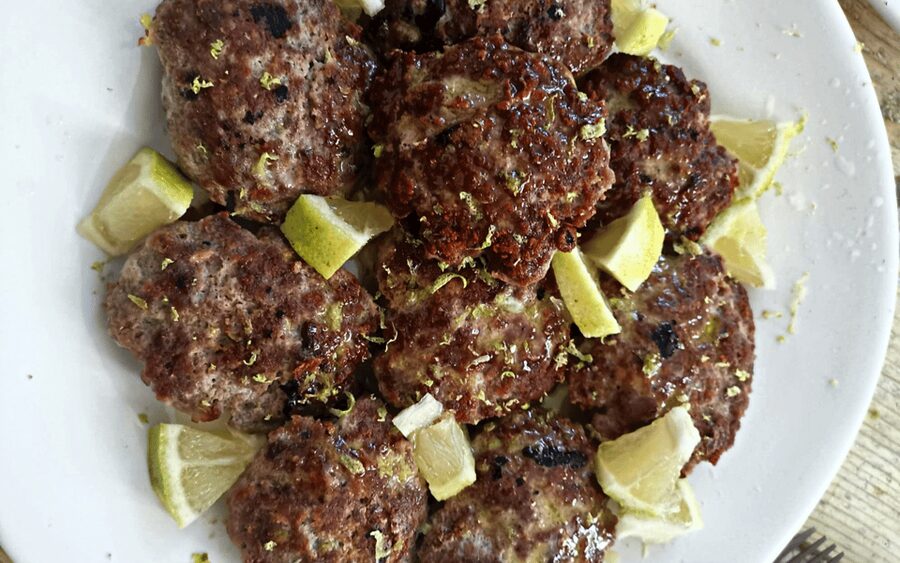
You’ll have local Sicilian wine during the meal. The big win isn’t just the alcohol—it’s the pacing. You cook first, then you relax with wine while you enjoy what you made. It’s a very different experience from rushing through dinner after a full day of sightseeing.
There’s also a practical angle. A pairing gives you a built-in sense of “what to notice.” When you take a bite of pistachio ravioli, you’re more likely to focus on how the flavor changes with a sip of wine. That turns the meal into a lesson you don’t have to schedule.
Also, because you’re in a small group, the wine doesn’t feel like a party. It’s more like hospitality—something to share while everyone compares notes on how their ravioli turned out.
Rolling pasta and arancini in a local Catania kitchen.



Price and value: what $100 buys in Catania
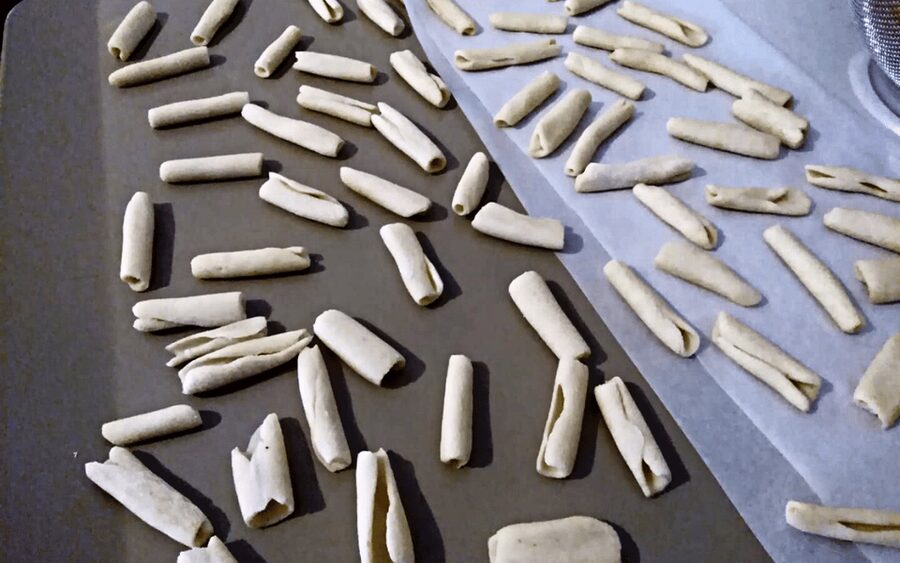
At about $100 per person for roughly a three-hour experience, you’re paying for more than ingredients. You’re paying for:
- A small-group cooking class (max 8)
- Hands-on instruction through dough, filling, and ravioli shaping
- A full three-course dinner
- Wine plus water and coffee
If you price it another way, you’re combining the cost of a cooking lesson with an evening meal in one bundle. The apartment setting also helps keep things intimate and focused. You don’t feel like you’re paying for a “show kitchen.” You’re paying for coaching and meal outcome.
One more value factor: this is a skill you can take home. You’re not just buying a ticket to eat one plate. You’re learning a repeatable Sicilian dish and a way of building flavor with pistachios, fruit, and honey.
One timing note to plan around: while the duration is listed as 3 hours, some classes run longer in practice (closer to 4). I’d treat it as an evening block, not something you can stack tightly with another reservation.
Languages, communication, and what to do if Italian feels shaky
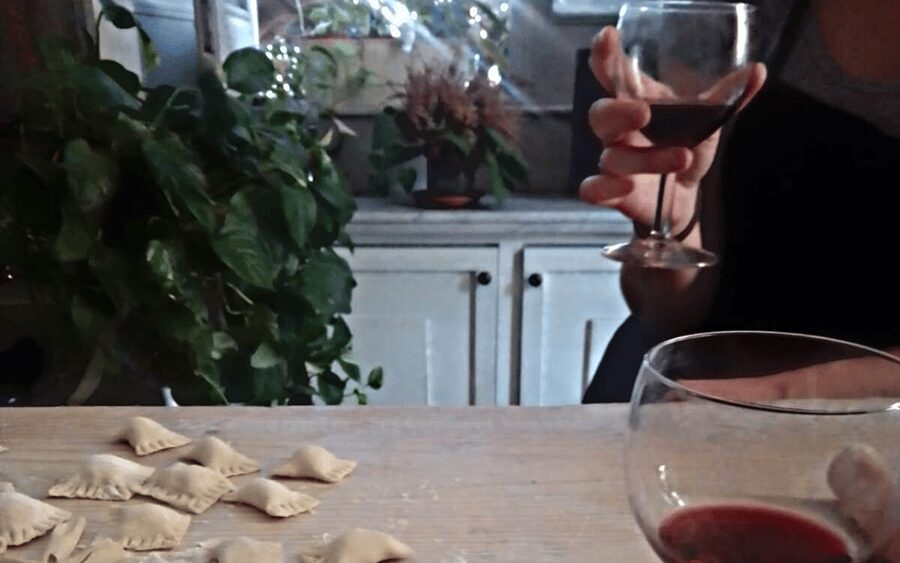
The instructor is listed with English and Italian, and that’s a real advantage. But communication in a home-kitchen class can still vary by evening, especially when teaching is hands-on and quick.
Here’s what makes it workable:
- You’ll get guidance in English/Italian as needed
- There’s often help from someone else in the household during the evening
- Many guests use translation tools during the class so they can follow along with technique
So if your Italian is limited, don’t panic. The cooking steps are visual, and the chef’s corrections tend to be practical. Bring a good attitude and a willingness to learn by watching your own hands. That’s how you’ll get the most out of it.
Who should book this class (and who might not)
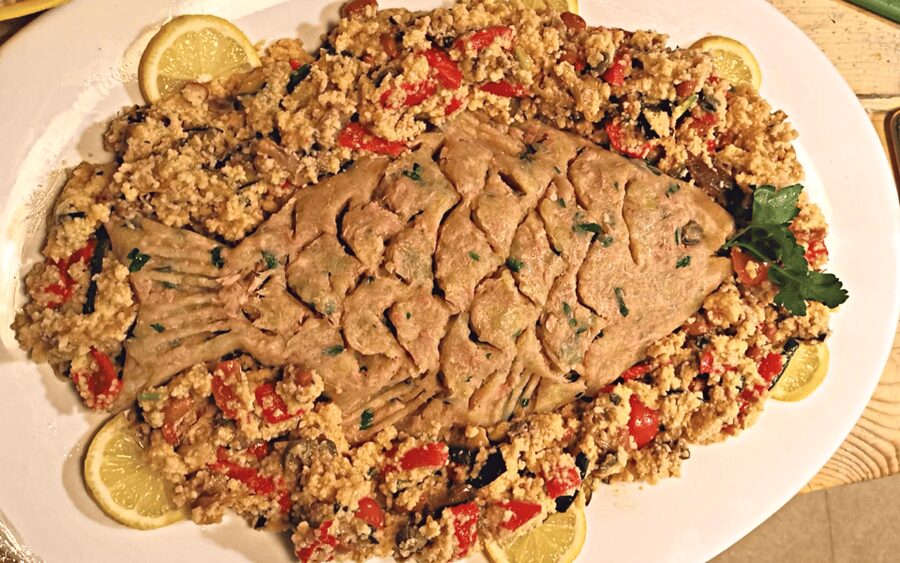
This experience is a strong fit if you:
- Want a true food lesson in Catania, not just a tasting
- Love Sicilian ingredients and want to learn the pistachio story behind the dish
- Enjoy hands-on activities where you can ask questions and get correction
- Prefer small groups and a homey setting over a large tour-group format
It may be less ideal if:
- You need wheelchair accessibility (the home setup includes stairs)
- You want a quick, low-effort meal with zero kitchen time
- You get stressed by open-ended timing and a class that can run longer than expected
If you’re on a first trip to Sicily and you want one evening that feels like local life, this hits the mark.
Should you book this Catania pistachio ravioli class?
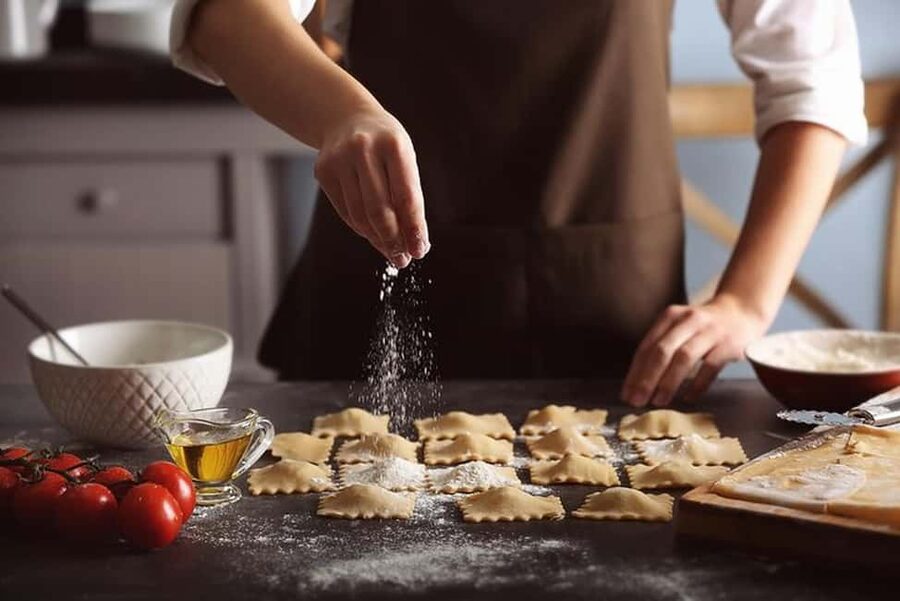
I’d book it if your idea of a great night in Sicily is making something with your own hands and then eating it in a relaxed, friendly setting. The pistachio ravioli focus, the Bronte connection, and the included three-course meal with wine make this feel like more than a class—it feels like Catania hospitality with a cooking lesson attached.
Skip it only if accessibility is a deal-breaker for you, or if you’d rather spend your evening eating out instead of learning dough and sealing ravioli.
FAQ
How long is the Catania pistachio ravioli cooking class?
The class duration is listed as 3 hours. Some evenings may run longer, so plan your schedule with extra breathing room.
What’s the group size?
This is a small group experience limited to 8 participants.
What languages are used during the class?
The instructor teaches in English and Italian.
What is included with the class?
You get a cooking class, a 3-course dinner, wine, water, and coffee.
Where do we meet?
Ring the bell at Vignolo at the provided address.
Is this activity wheelchair accessible?
No. It is not suitable for wheelchair users.
Do I need to pay right away, and can I cancel?
You can reserve now and pay later, and you can cancel up to 24 hours in advance for a full refund.
More Tour Reviews in Catania






More Catania Cooking Classes

More Etna Wine Tastings



After something different? More tours and day trips around Catania and eastern Sicily










Etna Wine Tasting Tours from Catania, compared.
 ★ 5.0Etna, Wine and Alcantara Tour – From TaorminaFrom $139464 reviews
 ★ 5.0Tour Etna & Wine TastingFrom $175317 reviews
 ★ 5.0Mt Etna and Wine tasting tour from CataniaFrom $128282 reviews
 ★ 4.5From Catania: Mount Etna Half-Day Tour and Wine Experience214 reviews
 ★ 4.9Full-Day Etna and Wine Tour from CataniaFrom $133150 reviews
 ★ 4.4Volcanic Wine Tasting in a Metropolitan MarketFrom $53119 reviews
 ★ 5.0Etna Tour and Lunch in a Winery with Wine TastingFrom $32697 reviews
 ★ 5.0Mount Etna Sunset Tour and Etna Doc WineFrom $7976 reviews
Browse the lists this tour appears in