
Reviewed · CATANIA STREET FOOD & FISH MARKET WALKS
Cooking Class Arancini in Catania
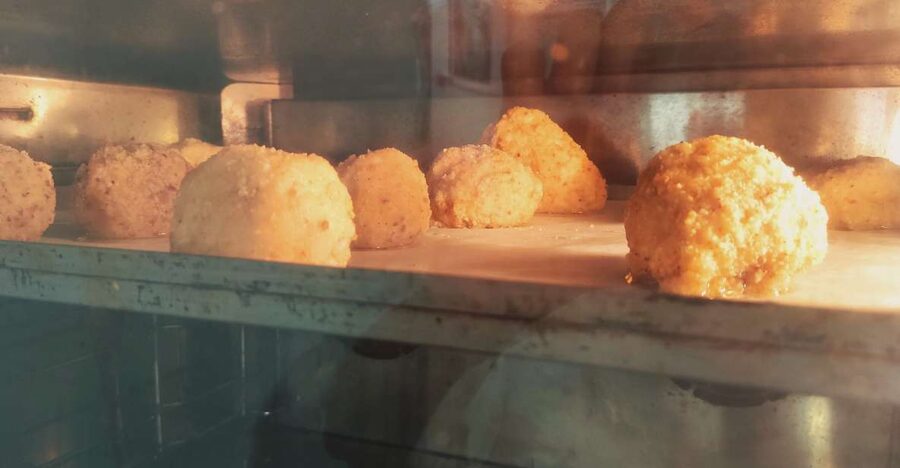
Arancini are Sicily’s comfort food with a crunch. This 3-hour class in Catania teaches you how to make arancini plus Sicilian almond paste in a real kitchen setting, not a demo room. You’ll learn the rice approach, stuffing ideas (including vegetarian options), and the crunchy breading technique.
I especially like that the class is hands-on with a professional chef and a small group vibe, so you can ask questions as you go. The tastings are a big plus too: you get to sample different versions of arancini and almond paste, plus Sicilian-type wine, water, and coffee.
One thing to consider: the recipe booklet is provided, but it may not be as print-perfect as you’d hope. In one case, the booklet content was incomplete and the rice instructions didn’t include quantities, so it’s smart to take notes during class.
In This Review
- Quick hits before you go
- Arancini and almond paste: what this class gets right
- Your 3-hour game plan in Catania’s kitchen lab
- Getting the rice right for arancini
- Fillings: build your arancino with classic options and vegetarian choices
- The crunchy breading step (where the class earns its name)
- Sicilian almond paste: a second skill set, same hands-on energy
- Tasting time: wine, water, coffee, and sampling multiple versions
- What you take home: recipes booklet and the reality of precision
- Who this Catania cooking class is for
- Price-value check: why this feels like more than a snack lesson
- Should you book this arancini and almond paste class in Catania?
- FAQ
- Where is the meeting point for the cooking class?
- How long is the class?
- How many people are in a group?
- What languages are spoken during the class?
- What will I learn to make during the session?
- Are vegetarian fillings available?
- Is there tasting and are drinks included?
- What are the cancellation and payment options?
- Is this class suitable for children?
Quick hits before you go
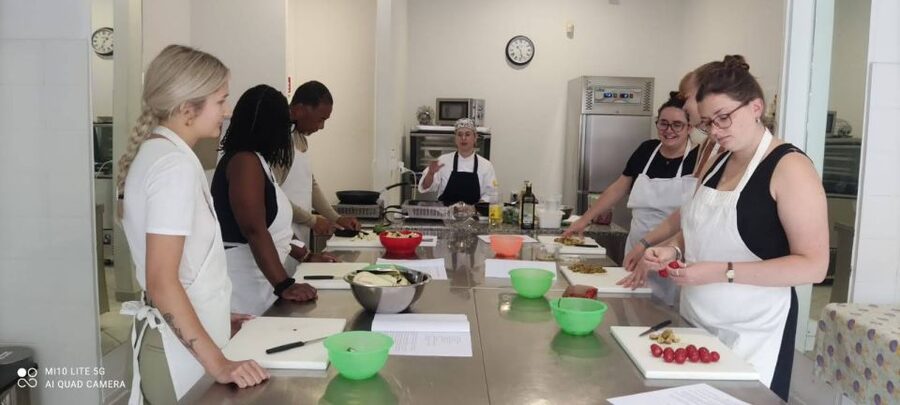
- Real laboratory kitchen in Catania: you cook in a working setup, not just watch.
- Two Sicilian symbols: arancino/arancini and almond paste in the same session.
- Rice, filling, and crunchy breading: you get the full workflow, step by step.
- Vegetarian-friendly filling options: you may be able to choose vegetarian stuffing.
- End-of-class tasting with drinks: arancini and almond paste samples plus wine, water, and coffee.
- Small group (max 6): more personal help, especially for English speakers.
Arancini and almond paste: what this class gets right
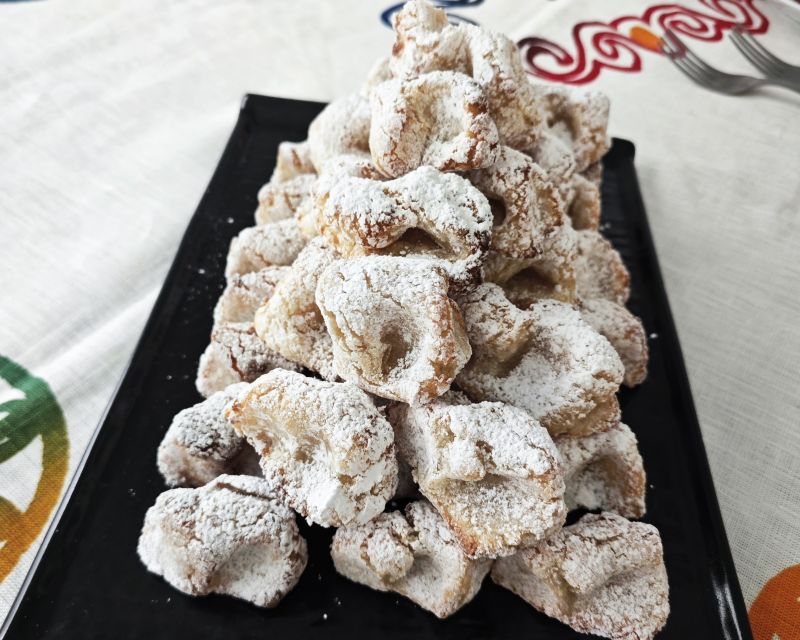
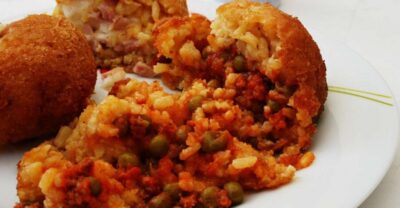
Catania is serious about food, and this class leans into that in a practical way. You’re not just making one dish. You’re learning how Sicily’s two iconic bites come together: the arancino (arancini)—the rice-and-filling snack with a crunchy coat—and the almond paste, a sweet that shows up across Sicilian sweets culture.
What makes this format feel worth your time is that it teaches both sides of the coin. The arancini part is a savory, technical workflow (rice, stuffing, breading). The almond paste part adds a second skill set that changes how you think about texture and sweetness. By the end, you’ve got two things you can explain to friends back home without sounding like you’re reciting a menu.
And because the class is small—limited to 6—you can actually get answers while your hands are busy. That matters with arancini, where small differences can change the end result.
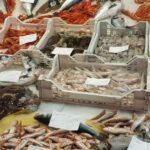
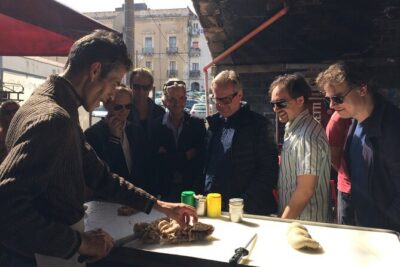
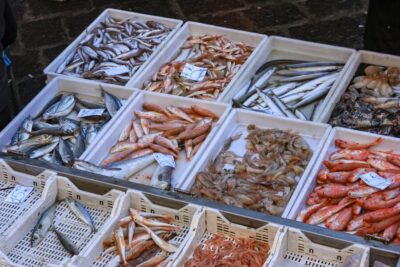
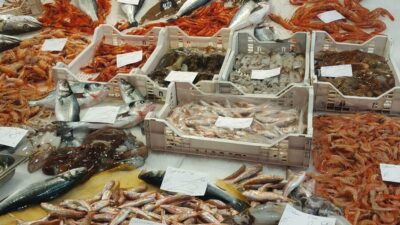
Back into the Pescheria fish market for arancini and street food.

Your 3-hour game plan in Catania’s kitchen lab
The class runs for about 3 hours, and it’s built like a cooking sequence. First you’ll focus on arancini: how the rice should be cooked for shaping, how fillings are prepared, and how the crunchy breading is made. Then you shift to Sicilian almond paste, where you learn the almond paste method before finishing with tastings.
Meeting happens at the Laboratorio di cucina at these coordinates: 37.51484298706055, 15.102240562438965. I’d plug that straight into your phone’s map app so you can find it fast, especially if you’re arriving during a busy Catania day.
This is also a language-friendly class. The instructor teaches in English and Italian, and reviews note clear English. If you’re comfortable with a bit of Italian, you’ll probably catch more cues, but you won’t be left out.
Getting the rice right for arancini
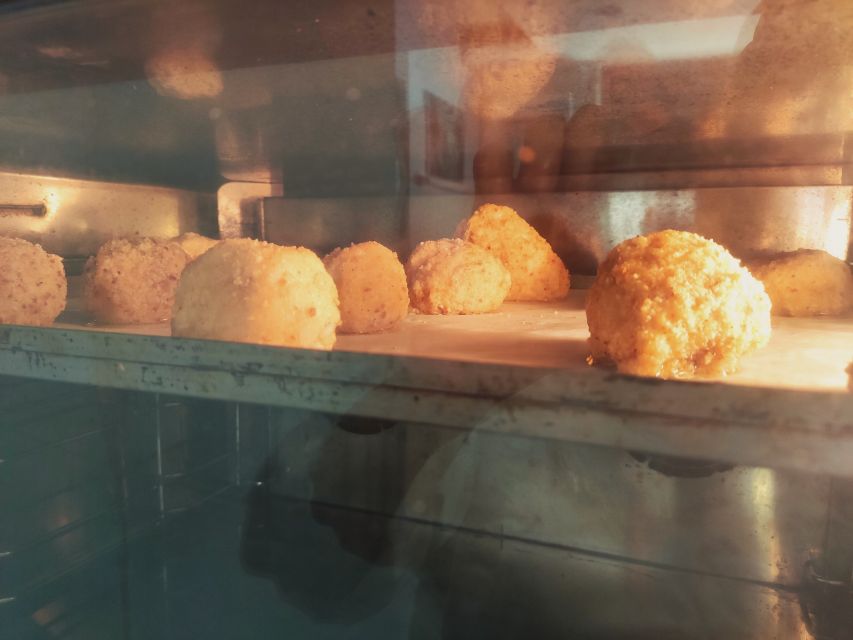
The arancini start with the rice. You’ll learn how the rice that forms the arancino should be cooked. That sounds basic, but it’s the core of the dish. If the rice is too loose or too firm, shaping and bite texture get harder. The chef’s job here is to make that part feel learnable instead of mysterious.
Expect the explanation to connect the rice method to what you’ll do next. You’ll be able to move forward to filling and shaping with less guesswork, because you’re not just told ingredients—you’re shown the method and the thinking behind it.
A smart tip for you: if you’re the type who always cooks by measurements, be ready to ask follow-up questions during the rice stage. One attendee found the rice guidance in the take-home materials unclear, so it’s worth capturing your own notes while the chef is actively walking you through the process.
Fillings: build your arancino with classic options and vegetarian choices
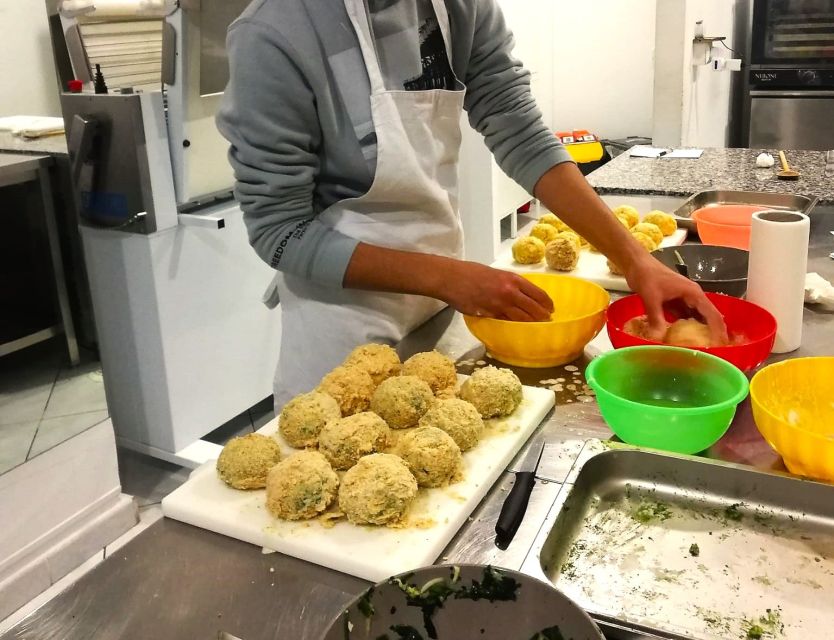
Once the rice is covered, you’ll make different types of fillings. The class includes the possibility of vegetarian fillings, which is a real advantage if you don’t want to default to meat-based versions.
You’ll learn how to stuff the rice with these fillings. This is where the class feels most like real cooking, because you’re balancing structure and flavor. Too little filling can feel bland. Too much can make the shaping messy. The chef’s guidance helps you land in the sweet spot.
In terms of flavor, you might encounter versions that lean on classic Sicilian comfort ingredients. One attendee was told that a filling direction can include combinations like cheese, butter, and saffron. That’s not necessarily what every class uses, but it tells you the vibe: straightforward ingredients with a distinctly Sicilian identity.
The crunchy breading step (where the class earns its name)
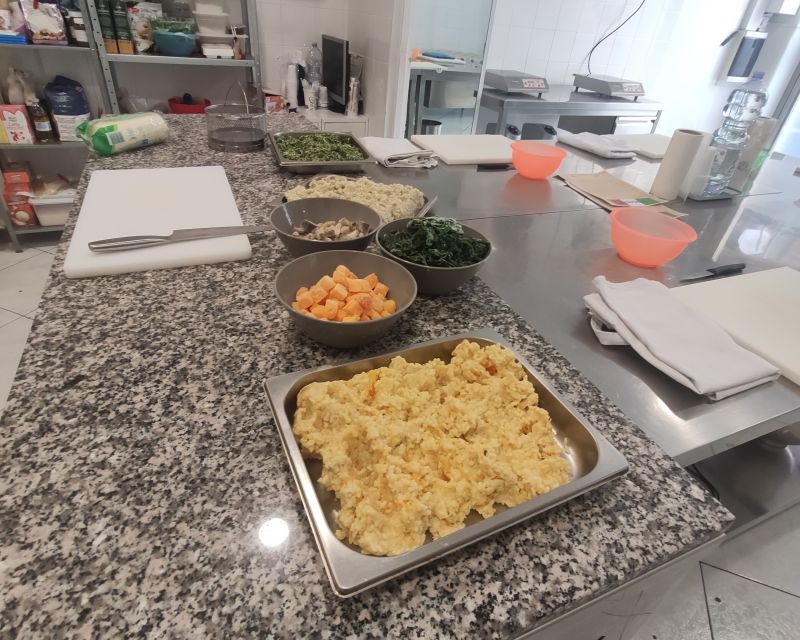
Arancini’s signature is the crunch, and the class teaches how to make the typical crunchy breading. You’ll go through the breading technique so the outside has that crisp, satisfying bite people expect from arancini.
This part is a good reason to book a guided class instead of trying to wing it from memory later. Crunch comes from the method, not just the ingredient list. If your coating steps are off, the outside can turn out chewy or uneven instead of properly crisp.
Also, since it’s a small group, you can watch the chef’s timing closely. That’s handy if you’re learning a hands-on technique for the first time and don’t want to lose momentum waiting for help.
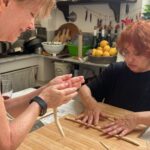
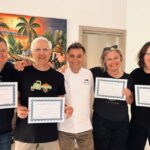
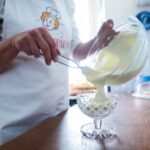
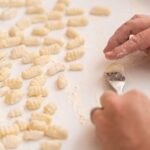
Rolling pasta and arancini in a local Catania kitchen.


Sicilian almond paste: a second skill set, same hands-on energy
After the savory focus, you’ll switch gears to learn how to make Sicilian almond paste. The class keeps this hands-on, so you’re not just tasting at the end—you’re building the sweet yourself.
Almond paste can feel intimidating when you only see it in packaged form. In this class, the value is that you learn the method in the same way you learned the arancini steps: by following the chef’s instructions in a real kitchen environment. You’ll leave with a process you can repeat, even if you don’t become an expert pastry maker overnight.
Because you finish with tastings, you’ll also be able to compare what you made with other versions served at the table.
Tasting time: wine, water, coffee, and sampling multiple versions
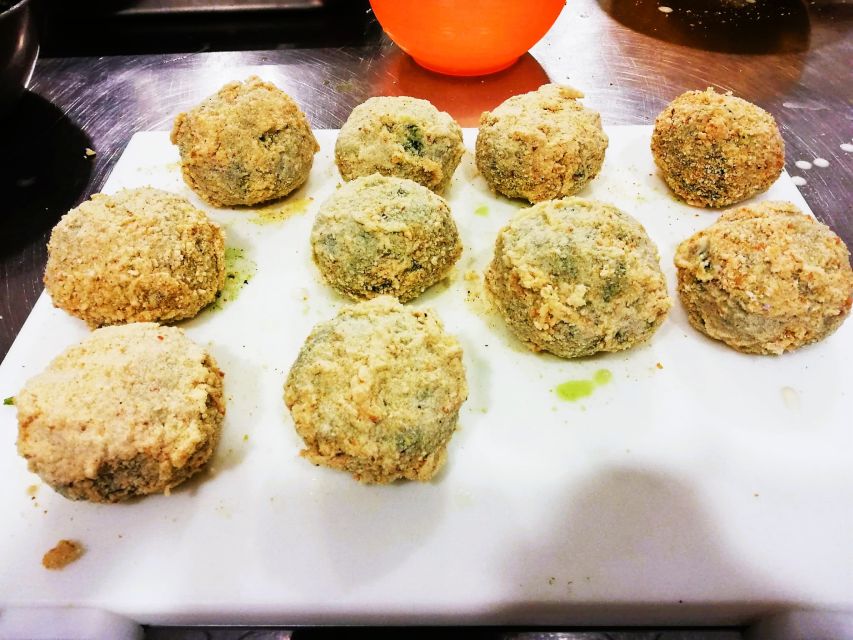
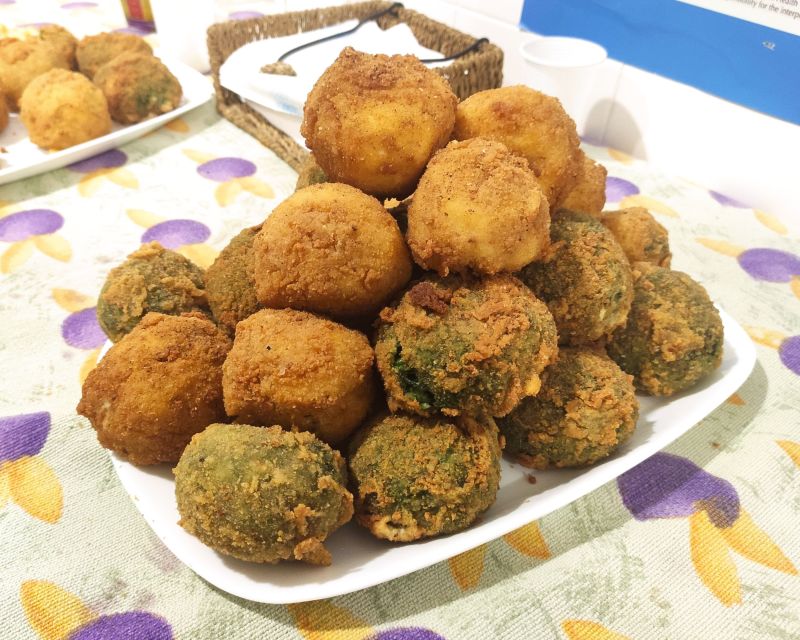
At the end of the lesson, the experience turns into a proper food moment. You’ll have a tasting of the various types of arancini and almond paste that were prepared during the class. That gives you a chance to check your own results and learn what changes taste and texture across variations.
You’ll also be offered Sicilian-type wine, along with water and coffee. It’s a nice touch because it turns the class into an actual shared meal, not only a cooking workshop with a quick thumbs-up.
Many people also leave with more than they expected. One attendee specifically noted having leftovers to take home, which is a practical perk when you want to extend the experience into an easy next meal.
What you take home: recipes booklet and the reality of precision
The class includes a booklet with recipes so you can make the dishes for friends and family at home. This is one of the best post-class features, because you’re not walking away with only a vague memory of what you did.
That said, here’s the balanced part. One attendee reported that the booklet had issues: it was printed like photocopies and the set of recipes felt incomplete. They also said it didn’t include rice instructions with quantities. So if you want exact replication, treat the booklet as a starting point, not your only authority.
My advice: take a few quick notes during class, especially around the rice cooking explanation and any steps you think you might forget. With that, the booklet becomes useful instead of frustrating.
Who this Catania cooking class is for
This is a strong match for you if:
- You want a hands-on arancini cooking class in Catania with real chef instruction.
- You’re traveling as a couple or with friends and prefer a small group format.
- You enjoy food experiences that produce something you can eat immediately and share later.
It’s also a good option if you’re not sure you can handle an advanced cooking course. The structure is clear: rice and fillings for arancini, crunchy breading, then almond paste. You’re learning a specific Sicilian set of skills instead of a random mix of techniques.
Language note: the instructor can work in English and Italian, and English support seems especially helpful for visitors who don’t speak Italian fluently.
If you’re bringing kids, pay attention. The activity is not suitable for children under 4 years (and it also lists restrictions for babies under 1). So this is more of an adult-friendly workshop than a family-day event.
Price-value check: why this feels like more than a snack lesson
You don’t get this experience just to learn a single recipe. You spend 3 hours making two Sicilian icons, then you eat tastings including drinks. You also get a recipe booklet, plus the class size stays intimate with a cap of 6 participants.
That bundle matters for value. If you compare it to a more basic cooking demo, you’re paying for the full workflow coaching: rice method, stuffing, crunchy breading technique, and almond paste practice. And because you may leave with leftovers, it can stretch beyond just the time in the kitchen.
I also like that the focus stays authentic and practical. You’re learning what to do, not only hearing about what Italians used to do. The goal is that you can replicate it at home with fewer mysteries.
Should you book this arancini and almond paste class in Catania?
Book it if you want a small-group, chef-led workshop centered on Catania’s signature comfort food and a classic Sicilian sweet. The arancini workflow plus almond paste in one session is a smart way to come away with skills that actually transfer to your own kitchen.
Skip it only if you need a perfectly formatted, fully precise recipe booklet as your main guide. The class teaching seems strong and interactive, but the printed materials can vary. If you’re the type who wants exact quantities for every step, plan to ask during class and take your own notes.
If you’re already planning to spend time in Catania and you like learning by doing, this is an easy yes. You’ll get real technique, satisfying food, and a take-home set of recipes that can turn into your own Sicilian night back home.
FAQ
Where is the meeting point for the cooking class?
The meeting point is at Laboratorio di cucina, with coordinates 37.51484298706055, 15.102240562438965.
How long is the class?
The duration is 3 hours.
How many people are in a group?
The class is a small group and is limited to 6 participants.
What languages are spoken during the class?
The instructor teaches in English and Italian.
What will I learn to make during the session?
You’ll learn to make typical Sicilian arancino (arancini), including how the rice should be cooked, how fillings are made (with the possibility of vegetarian fillings), and how to make the crunchy breading. You’ll also learn how to make Sicilian almond paste.
Are vegetarian fillings available?
Yes, there is the possibility of vegetarian fillings.
Is there tasting and are drinks included?
Yes. At the end of the lesson, there is a tasting of the various types of arancini and almond paste, and you’ll be offered Sicilian-type wine, water, and coffee. You’ll also receive a booklet with the recipes.
What are the cancellation and payment options?
Free cancellation is available up to 24 hours in advance for a full refund. You can also reserve now and pay later, keeping your travel plans flexible.
Is this class suitable for children?
No. It’s not suitable for children under 2, under 3, under 4, or for babies under 1.
More Tour Reviews in Catania






More Catania Cooking Classes
More Catania Street Food Walks

After something different? More tours and day trips around Catania and eastern Sicily









Catania Street Food & Fish Market Walks, compared.
 ★ 5.0The Original Catania Street Food and Market Tour by StreatyFrom $71345 reviews
 ★ 4.9Street Food Guided Walking TourFrom $56326 reviews
 ★ 4.7Guided Street Food Walking TourFrom $58300 reviews
 ★ 4.9Catania Street Food Tour: Fish Market & City CentreFrom $55104 reviews
 ★ 4.9From Taormina: Private 3 Etna Wineries with Food & WineFrom $29671 reviews
 ★ 4.7Street Food Walking TourFrom $5060 reviews
 ★ 4.7Underground and Street Food Walking Tour56 reviews
 ★ 5.0Market Tour and Cooking Class with Chef RiccardoFrom $16940 reviews
Browse the lists this tour appears in