
Reviewed · CATANIA COOKING CLASSES WITH A LOCAL
Catania: Pasta & Tiramisu Cooking Class at a Local’s Home
Fresh pasta and tiramisu, made at home.
I love the hands-on focus here: you roll sfoglia by hand, then cook two pasta types from scratch, and finish with tiramisu. I also like the fact that it’s hosted in a real Sicilian home through Cesarine, where you’re learning family-style technique, not just following a demo. The only thing to consider is that the class happens in a private home, so details like stairs and exact setup can vary, and it isn’t suitable for wheelchair users.
In Catania, that home setting is part of the point. You might be welcomed onto a terrace with views over the city and Mount Etna (one host has a roof terrace like that), which turns a simple cooking class into a proper Sicilian evening. Hosts you may be paired with include people like Graziella and Andrea, and the vibe tends to be warm and chatty, with plenty of real guidance while you work.
You start with an Italian aperitivo to loosen up, then you get fully into the cooking. Cesarine (the longtime home-cook network in Italy, operating across 500+ cities) brings you to an instructor who teaches in Italian and English, and you’ll taste what you make at the end. If you’re short on time, the 3-hour format is doable, but it moves at a steady pace because you’re cooking and eating in the same session.
In This Review
- Key things to know before you book
- Entering a Cesarine Home Kitchen in Catania
- Warm-Up Aperitivo: Prosecco, Nibbles, and Easy Conversation
- Rolling Sfoglia by Hand: The Skill That Makes Everything Else Easier
- Two Classic Pasta Types From Scratch: From Dough to Dinner
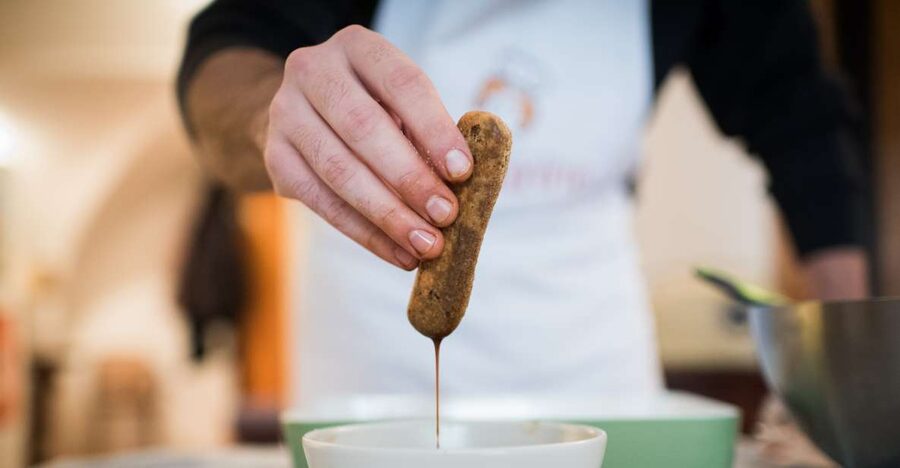
- The Iconic Tiramisu: Getting the Set Right (and Why That Matters)
- Beverages, Tasting, and the Ending That Actually Feels Like a Meal
- Price and Value: What $112.15 Buys in Real Terms
- Language and Pace: Italian and English Instruction That Works
- Who This Class Is Best For
- Logistics: How the Private Address and 3-Hour Timing Work
- Should You Book This Catania Pasta and Tiramisu Class?
- FAQ
- Where does the class take place?
- How long is the experience?
- What food will I make?
- Is there an aperitivo before cooking?
- What drinks are included?
- Will I taste what I make?
- What language is the instruction?
- Is the address given right away?
- Is this class suitable for wheelchair users?
- Can I cancel for a refund?
Key things to know before you book
- Hand-rolled sfoglia: you learn to roll fresh pasta dough by hand, not just by machine
- Two pasta recipes from scratch: you’ll make two iconic types and then taste both
- Tiramisu included, with the right timing: you’ll learn the classic method and let it set properly
- Aperitivo warm-up: Prosecco plus nibbles to start, then coffee and wine with your meal
- Cesarine home-cook experience: teaching comes from a local host’s family knowledge and regional specialties
- Private-home format: you’ll get the full address only after booking for privacy
Entering a Cesarine Home Kitchen in Catania
This isn’t a restaurant class where you watch from the sidelines. You’re invited into a host’s home to learn classic Italian cooking, with the emphasis on doing the work yourself. That matters because pasta and tiramisu are both technique-heavy. If you only read about them, it never quite clicks.
Cesarine is the network behind it, and the reason their model works is simple: you’re not learning generic Italian cooking. The host serves local specialties drawn from their own family cookbooks, and you’re learning how those dishes fit into everyday life in that region. In practice, that often means you’ll get small, useful shortcuts and corrections that you won’t find in a textbook.
You also get the best kind of “Sicily context.” It’s not museum talk. It’s someone cooking in their own kitchen while explaining what they learned, what they teach their family, and what they pay attention to when the dough and the custard start behaving differently than expected.
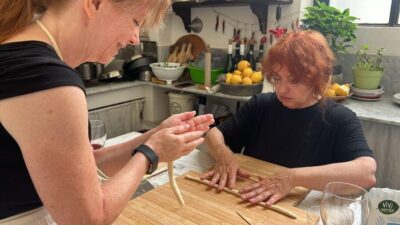
Rolling pasta and arancini in a local Catania kitchen.


Warm-Up Aperitivo: Prosecco, Nibbles, and Easy Conversation
Before flour gets involved, you’ll start with an Italian aperitivo. Included here is Prosecco and nibbles, plus you’ll have beverages across the evening such as water, wine, and coffee.
This part is more than a ritual. Aperitivo time is when you get your bearings: how the kitchen works, what tools you’ll use, and what rhythm you’ll follow so you don’t feel rushed later. It’s also when you can ask questions about ingredients or the technique you’ll tackle next. If you’ve never made fresh pasta before, this warm-up helps you relax into the process.
I like that the drinks are part of the included experience. There’s no awkward moment where you realize you need to add extra purchases just to make the evening feel complete.
Rolling Sfoglia by Hand: The Skill That Makes Everything Else Easier
Fresh pasta is where most classes either teach you something real—or hand you a won’t-stick worksheet. Here, you learn to roll sfoglia by hand, and that’s the big takeaway.
The dough itself is simple on paper, but it’s picky in real life. Rolling by hand forces you to feel what’s going on: the elasticity, the resistance, and when the dough is ready for the next thinness step. That physical learning sticks. Later, when you’re making a pasta shape, you’ll understand how thickness affects texture and how much the dough can forgive.
This is also where the home setting shines. In a private kitchen, you can usually get quick corrections in real time. If your sheet is uneven, you’ll get guidance before it becomes a problem for shaping. If the dough is too sticky, you’ll get practical advice on adjusting your workspace.
If you’ve done pasta only once before, you’ll still benefit, because you’re not just repeating a recipe. You’re learning why your sheet becomes right—or wrong—and how to fix it while you’re still in the moment.
Two Classic Pasta Types From Scratch: From Dough to Dinner
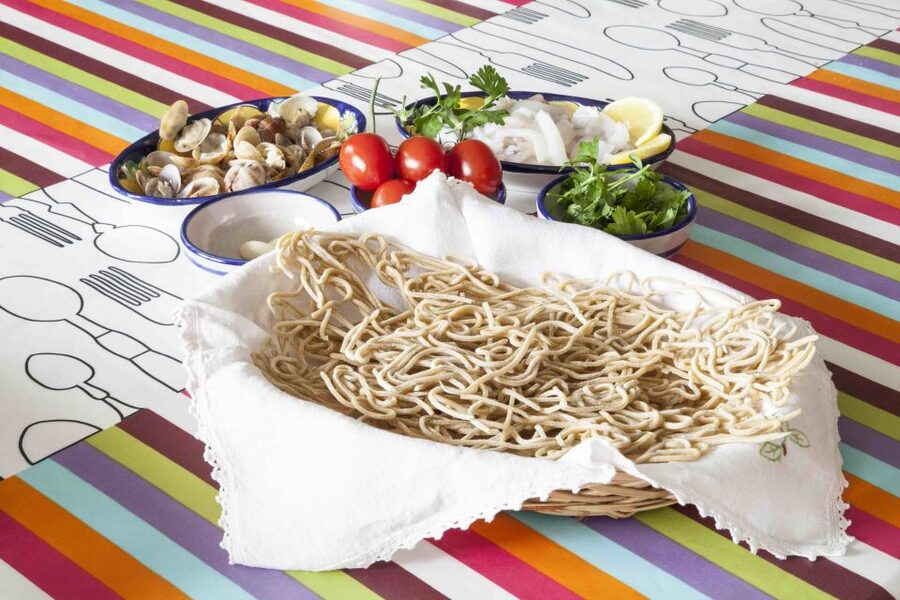
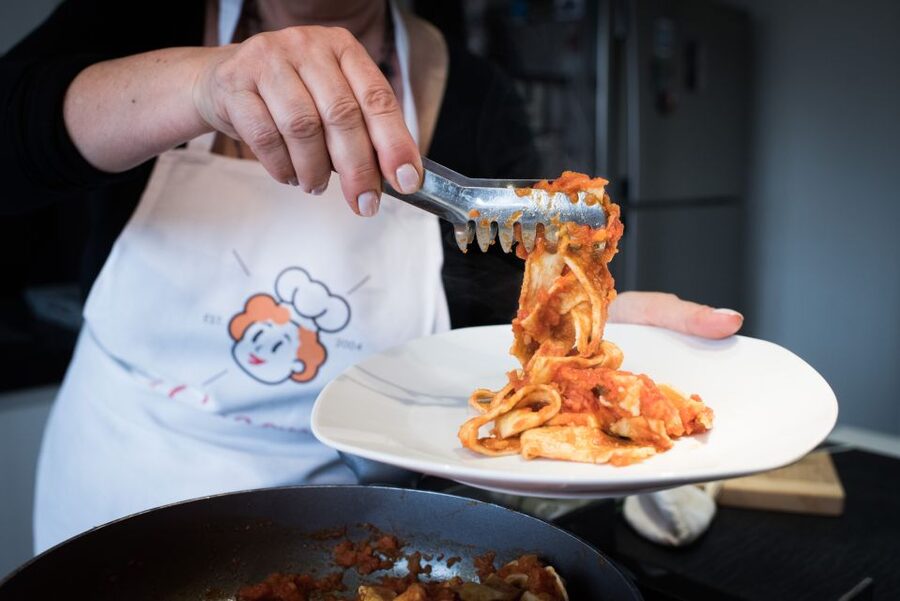
After you roll the fresh sheets, the class moves into making two iconic pasta types from scratch. The exact shapes can vary by host, but some sessions include classics like tortelli/tortellini-style filling work. You’ll learn the process start-to-finish: working with the dough, preparing the filling (where relevant), and shaping the pasta so it cooks up correctly.
Why two pasta types is a smart choice: it gives you range without turning the class into a full-day marathon. You’ll see how different shapes handle sauce and texture. And you’ll get a better sense of which technique clicks for you, especially if one style is more forgiving and the other is more fiddly.
The included tasting is also a big deal. You’re not just cooking and then walking away with a take-home container. You’ll taste the two pasta recipes you made, plus the tiramisu. That makes the learning more grounded. You’ll connect the shape and thickness choices to what you taste on the plate.
Expect the pace to be steady. You’re working with real dough, not just assembling ingredients. If you’re the type who gets frustrated by mess, give yourself permission to be a beginner. This is the kind of activity where mistakes are part of the tuition.
The Iconic Tiramisu: Getting the Set Right (and Why That Matters)
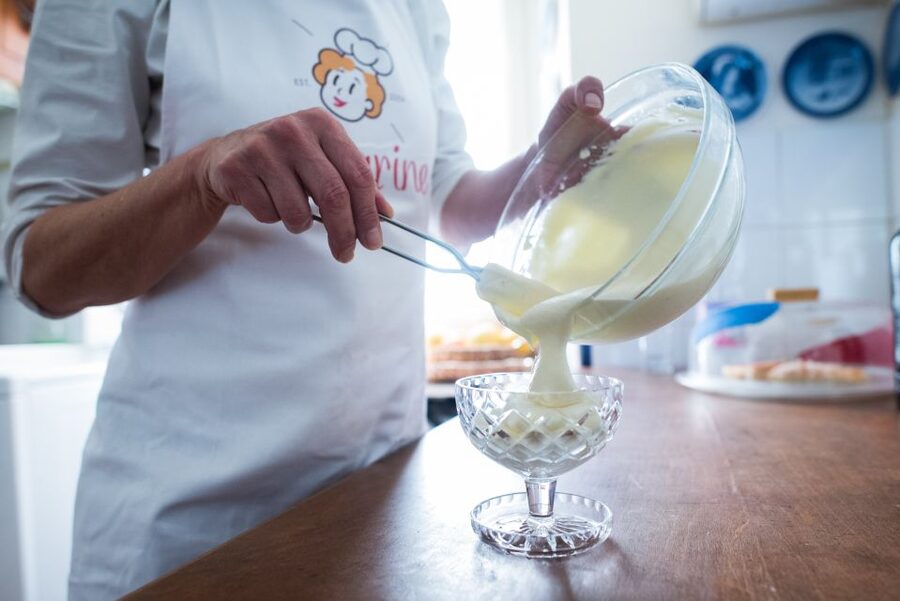
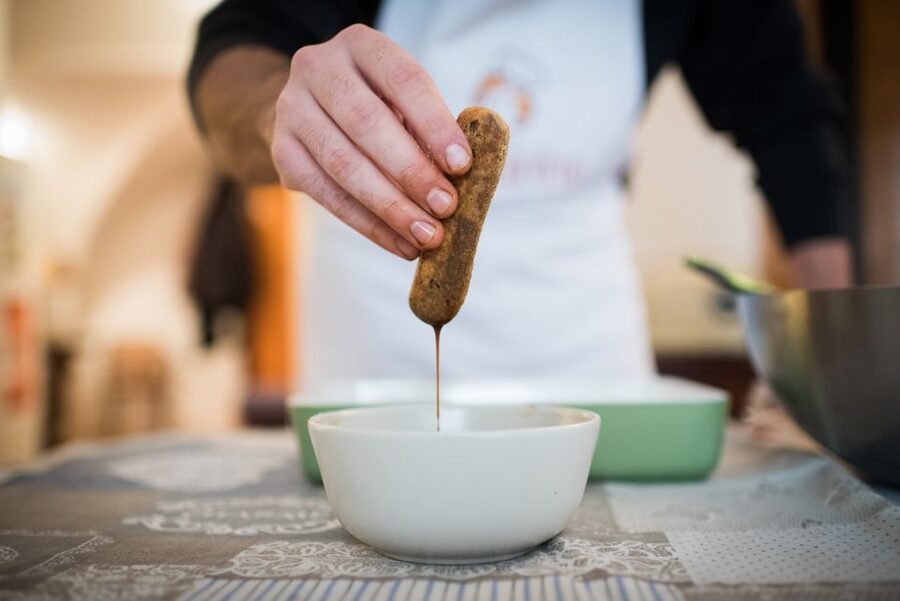
Tiramisu is one of those desserts people think they understand until they make it and realize timing is half the recipe. Here, you’ll learn to prepare iconic tiramisu, and the class includes tasting at the end, once it has had time to set.
Even when the steps are straightforward, tiramisu is about balance: the coffee flavor, the sweetness, and the texture once it firms up. Learning it in a class setting helps because you’re following technique while you’re watching it happen. You don’t just mix and hope.
One of the practical wins with this format is that the dessert isn’t treated like an afterthought. You’re guided through making it, and you’ll understand what you need to watch so the final texture isn’t runny or overly stiff. That’s the difference between tiramisu that tastes homemade and tiramisu that tastes like you copied it from a blurry photo.
More hands-on Catania experiences to try.


Beverages, Tasting, and the Ending That Actually Feels Like a Meal
Food classes can fall into a trap: you do all the work, but the “meal” is tiny. Not here. Included in the experience are beverages (water, wines, and coffee), plus an aperitivo to start, and then the full tasting of everything you made.
You’ll have:
- Italian aperitivo: Prosecco and nibbles
- Local wine with your session
- Coffee
- Tastings of the two pasta recipes and the tiramisu
This matters for value. A cooking class at a private home should give you two things: skill and satisfaction. You get both. Skill comes from hands-on practice. Satisfaction comes from sitting down to something you truly helped create.
Price and Value: What $112.15 Buys in Real Terms
At $112.15 per person for about 3 hours, you’re paying for more than ingredients. You’re paying for access to a private home kitchen, guided instruction in Italian and English, and a full food-and-drink experience that includes aperitivo, wine, coffee, local taxes, and the meal itself (tasting what you made).
If you compare this to the cost of a good dinner plus a basic food experience, it lands in a fair zone. The real value is that you leave with usable technique. Even if you don’t cook often, the next time you buy fresh pasta sheets or try a dessert at home, you’ll know what to watch for and why it matters.
Also, the session is 3 hours, which is a sweet spot. It’s long enough to get real practice and tasting, but not so long that it drains your whole day in Catania.
Language and Pace: Italian and English Instruction That Works
The class instruction is listed as Italian and English. In practice, this usually means you won’t be stuck guessing. You can follow steps, ask questions, and understand what your host wants from your hands—not just what the recipe says.
The pace is hands-on. You’ll be rolling dough, shaping pasta, and then moving into dessert steps. That’s why I’d go in with two expectations: you’ll likely get flour on something, and you’ll learn fastest if you stay present while the host corrects technique.
If you’re comfortable with instructions and willing to participate, you’ll have a smoother time. If you only want to taste and watch, this may feel like more work than you want.
Who This Class Is Best For
This is a strong fit for:
- People who want real cooking practice, not a passive tour
- Anyone traveling in Sicily who wants classic Italian home skills (pasta and tiramisu)
- Food lovers who enjoy conversation as much as the cooking
It’s also a good option if you’re traveling with a partner or close friend, because it’s naturally social without being awkward.
If you’re very limited on mobility, note that it’s not suitable for wheelchair users. And because it’s in a private home, the physical setup can differ from one host to another.
Logistics: How the Private Address and 3-Hour Timing Work
One practical thing: the start location is a meeting point, but for privacy reasons, you only receive the full address of your host after booking. Once they have your details, you’ll get host information including telephone and the full address.
This approach is common for home experiences, and it works well if you keep your phone handy. Plan to arrive a bit early so you can find the meeting point, connect with your host, and settle in without stress.
Starting times vary by availability, and the experience runs about 3 hours. So it’s best if you schedule this with a clear buffer before and after—especially if you’re also planning to explore Catania’s evening vibe.
Should You Book This Catania Pasta and Tiramisu Class?
I’d book it if you want a Catania activity that feels like something locals do at home, not something staged for tourists. The big reasons are the hand-rolled sfoglia, the chance to make two pasta types, and the fact that tiramisu is part of the same guided flow, with tasting at the end.
Skip it if you’re after a sit-and-watch cooking show or if home-kitchen logistics could be a problem for you. But if you’re comfortable getting hands-on (and you like eating what you make), this is one of the most satisfying ways to spend a few hours in Sicily.
FAQ
Where does the class take place?
It’s held in a local’s home in Catania. For privacy, you only receive the full address after you book.
How long is the experience?
The duration is 3 hours. Starting times vary based on availability.
What food will I make?
You’ll learn to roll sfoglia (fresh pasta) by hand, make two iconic pasta types, and prepare tiramisu.
Is there an aperitivo before cooking?
Yes. The class includes an Italian aperitivo with Prosecco and nibbles.
What drinks are included?
Beverages included are water, wines, and coffee, plus the aperitivo Prosecco.
Will I taste what I make?
Yes. The experience includes tasting of the two pasta recipes and the tiramisu.
What language is the instruction?
The instructor teaches in Italian and English.
Is the address given right away?
You get the meeting point right away, and then you receive the host’s full address after booking for privacy reasons.
Is this class suitable for wheelchair users?
No, it is not suitable for wheelchair users.
Can I cancel for a refund?
You can cancel up to 24 hours in advance for a full refund.
More Catania Workshops
More Tour Reviews in Catania






More Catania Cooking Classes
After something different? More tours and day trips around Catania and eastern Sicily












Catania Cooking Classes with a Local, compared.
 ★ 4.7Pistachio Ravioli, Pasta Home Cooking Class w/ WineFrom $100204 reviews
 ★ 5.0Cooking lesson in Catania with lunch or dinnerFrom $119154 reviews
 ★ 5.0From Catania: Private/Guided Godfather with Appetizer and PastaFrom $34242 reviews
 ★ 5.0Market Tour and Cooking Class with Chef RiccardoFrom $16940 reviews
 ★ 5.0Private Catania Pasta-Making Class in a Local Home by CesarineFrom $17427 reviews
 ★ 4.8Cooking Class Arancini in Catania20 reviews
 ★ 4.9Pizza Cooking ClassFrom $10118 reviews
 ★ 4.8Cooking class fresh pastaFrom $11217 reviews
Browse the lists this tour appears in