
Reviewed · CATANIA COOKING CLASSES WITH A LOCAL
Cooking class fresh pasta
Fresh pasta is a hands-on love letter to Italy. In a Sicilian cooking lab, you learn to make dough and shape pasta, then turn it into classic sauces like ragù, Norma, and Sicilian pesto.
I especially love the step-by-step approach: you start with raw dough, make multiple pasta types, and then actually eat what you made with wine. I also like that Chef Simona (with help from her mamma, in at least one session) keeps the class practical and friendly, with enough guidance to make you feel confident at the bench.
One consideration: at $112.15 per person for about 3 hours, it’s best if you genuinely want to cook, not just watch. If you’re short on time or prefer guided sightseeing, this may feel like a bigger commitment than you want.
In This Review
- Key Things That Make This Pasta Class Worth Your Time
- Cooking Fresh Pasta in Sicily: What You’re Actually Doing in the Room
- The Classroom Phase: Two Doughs, One Skill Set
- Shaping Your Work: Tagliatelle, Stuffed Pasta, and Maltagliati
- Turning Dough into Sicilian Flavors: Ragù, Norma, and Pesto
- Ragù
- Norma
- Sicilian pesto
- The Chef Finishes the Cooking: Sit Down and Taste What You Built
- Price and Value: What $112.15 Buys You (and What It Doesn’t)
- Who This Class Is Perfect For (and Who Should Think Twice)
- What You’ll Take Home: Skills, Confidence, and Flavor Memory
- Should You Book This Fresh Pasta Class in Sicily?
- FAQ
- How long is the fresh pasta cooking class?
- What will I make during the lesson?
- What pasta shapes are included?
- What sauces are included?
- Will I eat what I cook?
- What languages is the instructor able to teach in?
- What is the price per person?
Key Things That Make This Pasta Class Worth Your Time
You learn two dough styles: classic egg pasta and a typical Sicilian durum-wheat dough.
You make multiple pasta formats: tagliatelle, stuffed pasta (like ravioli), and maltagliati.
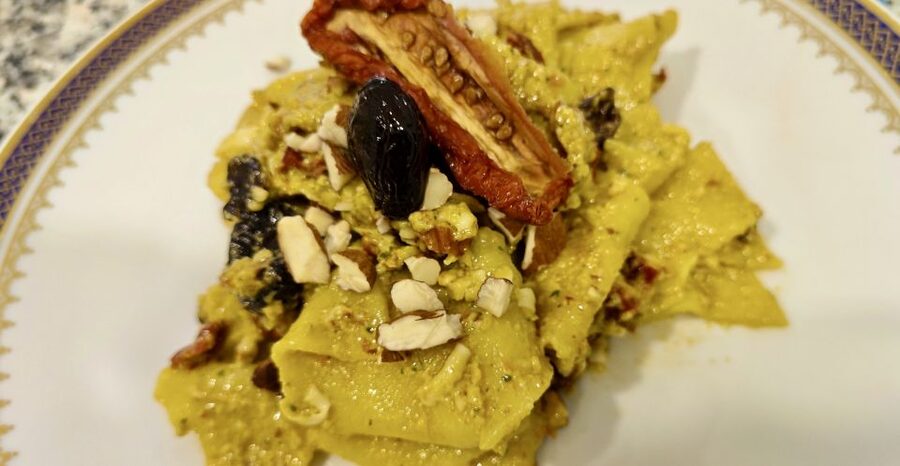
You cook iconic Sicilian sauces: ragù, Norma, and Sicilian pesto.
You get a proper tasting: the chef finishes the cooking so you can sit down and eat, with wine.
You leave with recipes: at least some guests report receiving the recipes after class.
It’s designed for real practice: the pace is hands-on and interactive, not just a demonstration.
Cooking Fresh Pasta in Sicily: What You’re Actually Doing in the Room
Pasta in Italy isn’t just food. It’s technique, muscle memory, and a little confidence boost you can carry home. This class gives you the “from scratch” version of that promise: you work with dough you make yourself, learn how to shape it, then build Sicilian flavors that match the region’s own rhythm.
What makes it interesting is the sequence. You don’t start with sauce and hope the pasta figures itself out. You start with raw ingredients and dough-making, then move into shaping, then finish with classic Sicilian seasoning. That structure matters because it teaches you how the choices you make in the dough show up on your plate.
You’ll be in a professional cooking laboratory, and the lesson is led by a chef who teaches in English or Italian. The experience is built around three finished results you can eat: different pasta types paired with Sicilian sauces, not one lonely plate of samples.
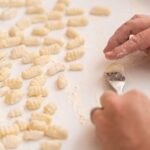
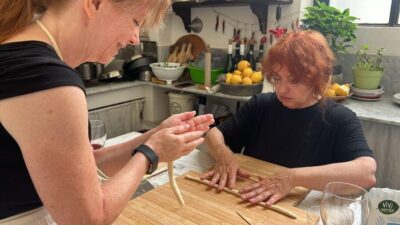
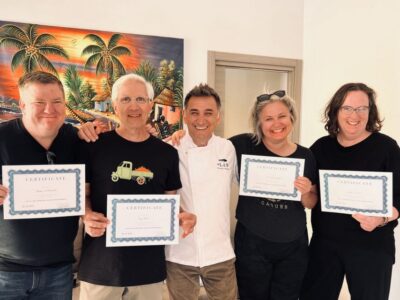
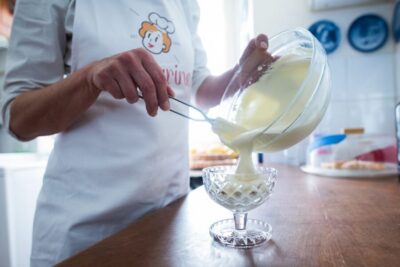
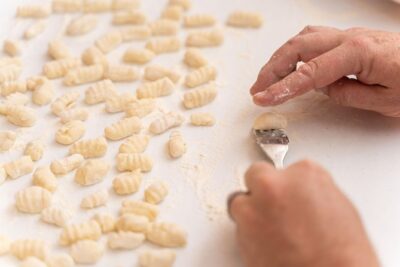
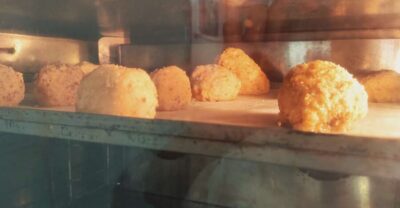
Rolling pasta and arancini in a local Catania kitchen.

The Classroom Phase: Two Doughs, One Skill Set
The course runs about 3 hours (the exact start time depends on availability). The first phase focuses on making the pasta dough. You’ll make two different doughs:
1) Classic egg pasta dough
2) Sicilian durum wheat dough (a local-style base)
That split is the best part for learning. Even if you already think you know pasta, you quickly see that different doughs behave differently—how they feel, how they stretch, and how forgiving they are when you roll or shape. Egg pasta is usually the smooth, elastic go-to. Durum wheat dough often has its own firm character. Getting both means you leave with more than one “template” for cooking at home.
Also, you’re not just making dough and leaving it on a rack. You’re making dough that will become specific pasta formats. That keeps you focused and helps you understand what the dough needs to do next.
Practical tip: pasta dough is one of those projects where small differences matter. If the dough feels too dry or too sticky, ask the instructor right away. The whole point here is to correct in the moment, while you’re still learning.
Shaping Your Work: Tagliatelle, Stuffed Pasta, and Maltagliati
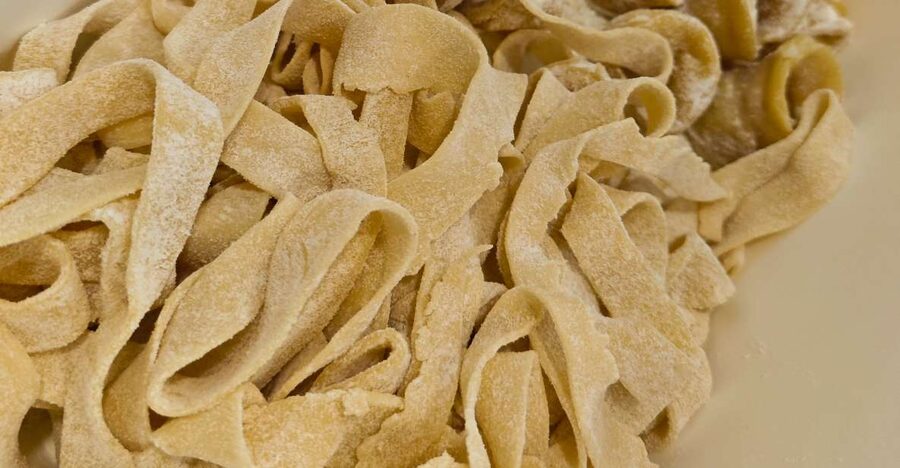
Once the dough is ready, you move into shapes. The class includes:
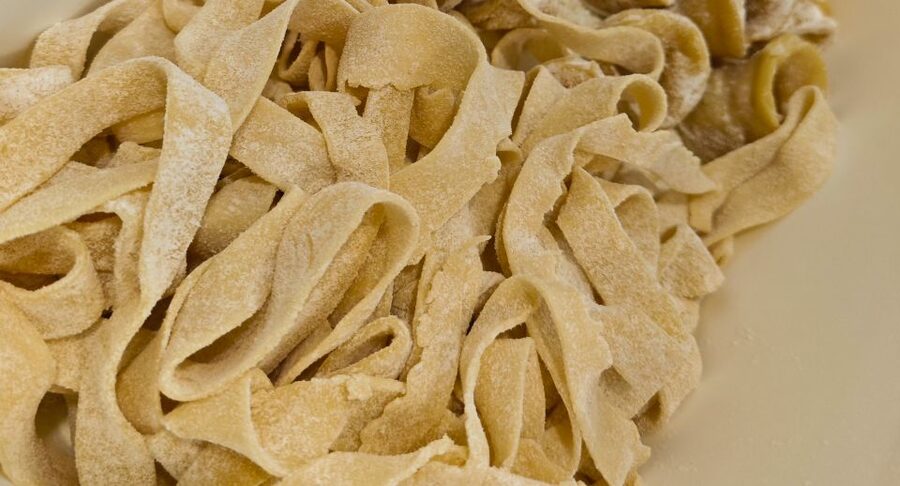
- Tagliatelle
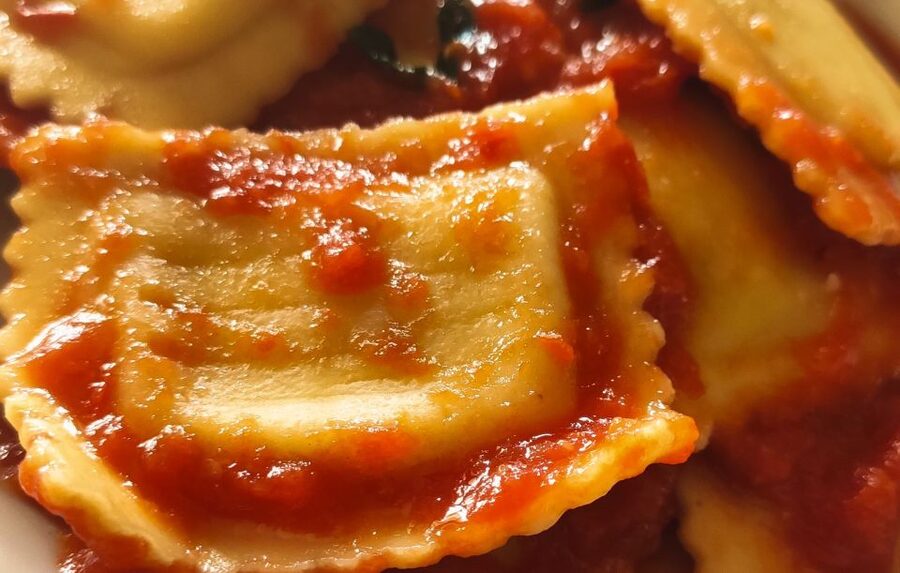
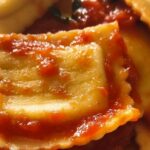
- Stuffed pasta (think ravioli-style filling)
- Maltagliati
I like this lineup because it’s not just “pretty shapes.” It teaches different pasta jobs.
- Tagliatelle is about clean slicing and even thickness, so sauce clings the way it should.
- Stuffed pasta forces you to learn portioning and sealing logic—so the filling stays put and doesn’t turn into a sad surprise.
- Maltagliati is more forgiving in feel and outcome than perfect shapes, but still requires attention so you get that handmade texture in every bite.
In at least one session, Chef Simona’s teaching style stood out for patience and clarity, which matters a lot when your hands are doing the work for the first time. Clean, functional facilities were also mentioned, which helps because pasta making is messy if the space isn’t set up for it.
If you’re worried about being “too slow,” don’t. This class is designed for learning your speed, not proving your speed. The best results come when you stay calm, keep adjusting, and follow the chef’s cues.
Turning Dough into Sicilian Flavors: Ragù, Norma, and Pesto
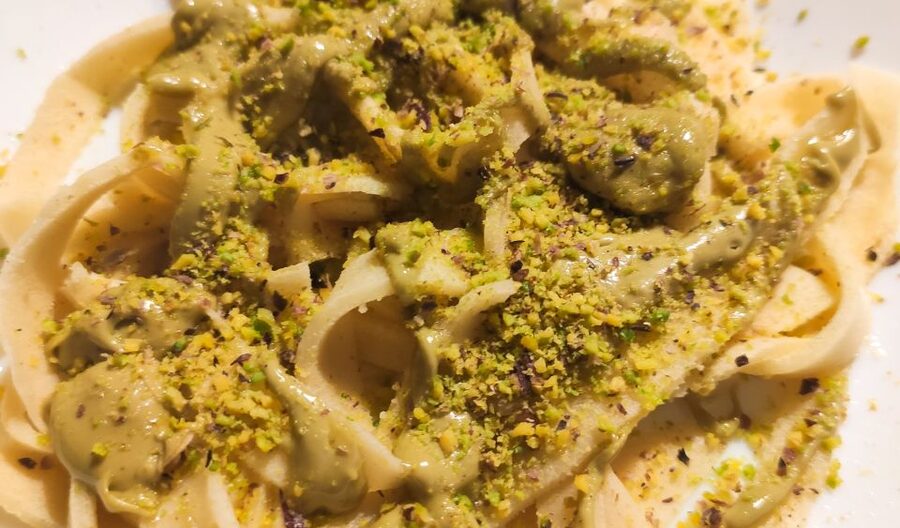
In the second phase, your pasta-making becomes seasoning-making. You’ll prepare classic Sicilian sauces:
- Ragù
- Norma
- Sicilian pesto
This is where the class feels truly “Sicily,” not generic Italian cooking. The sauces are not just toppings. Each one interacts with pasta differently.
Ragù
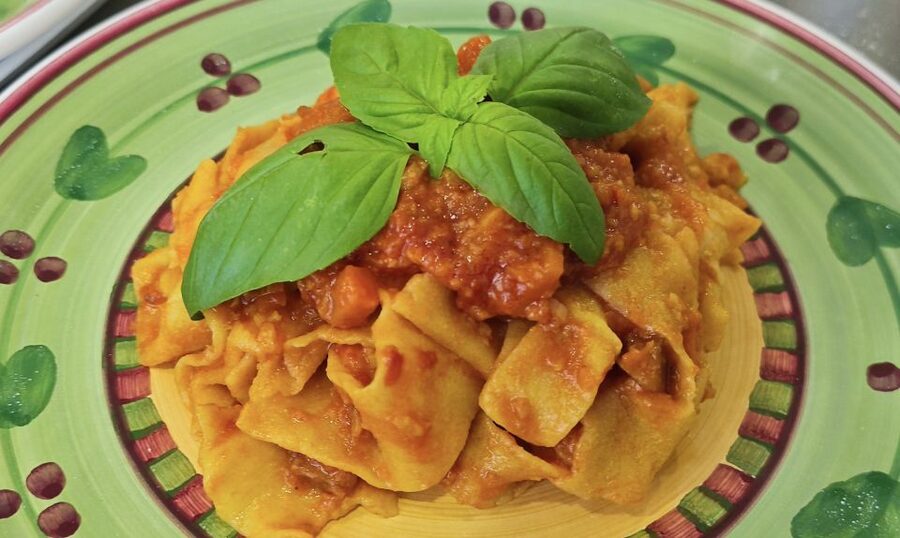
Ragù is the slow-burn comfort you associate with Italian kitchens. In the class context, you’ll learn how to build it as a sauce you can actually taste and understand. One of the big praise points from guests was how amazing the ragù turned out, which tells you the chef isn’t holding back on seasoning or technique.
More hands-on Catania experiences to try.

Norma
Norma is a Sicilian classic, and it’s a sauce you’ll remember because it has personality. You’ll learn how to make it in class, then see how it works with pasta you shaped yourself. When you match a Sicilian sauce to a matching pasta texture, it clicks.
Sicilian pesto
Pesto can be basil-only in some places, but Sicilian pesto has its own identity. Learning the local version is the kind of detail that’s hard to replicate from a cookbook unless you’ve seen the process. This class keeps it practical, so you can build flavor rather than just copy a list of ingredients.
If you’ve ever made pasta at home and felt like your sauce was the weak link, this is your chance to fix that. You get the method for the sauce, not just the final plate.
The Chef Finishes the Cooking: Sit Down and Taste What You Built
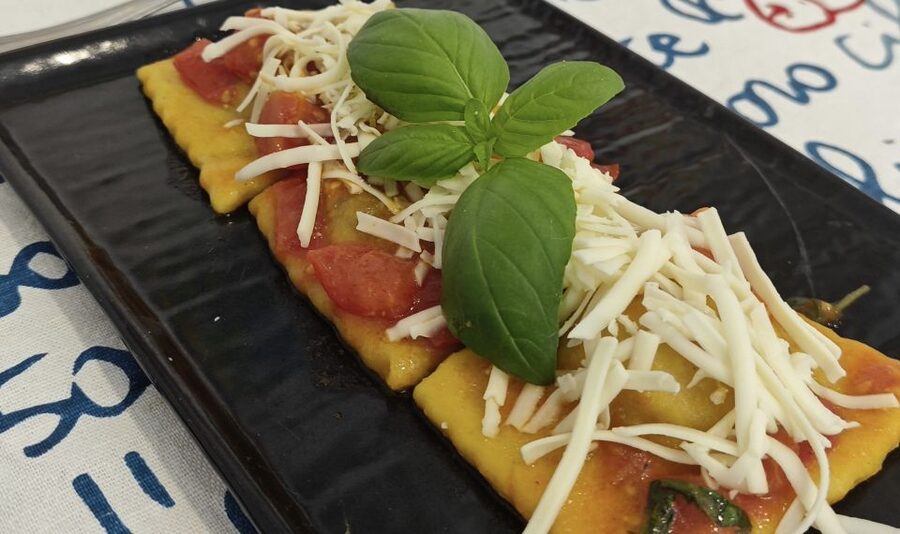
After you make everything, the chef completes the cooking so you can sit down and enjoy the meal. You’ll taste the foods you made, and the class includes Sicilian wine.
That part is smart. Pasta is better when timing is right. If you’re learning dough and shaping, you don’t need to also be the timing expert. Having the chef finish the cooking protects your learning experience and keeps the meal tasting excellent.
Wine pairing is part of the fun here. Some guests noted a rosé pairing that worked nicely with what they made. One guest also mentioned receiving a bottle of wine to take home, which is the kind of thoughtful touch that makes the class feel special beyond the meal.
Also, at least one guest reported that recipes were provided after class. If that’s offered in your session, it’s huge value: you’ll be able to recreate your dough and sauces later, not just remember the flavor.
Price and Value: What $112.15 Buys You (and What It Doesn’t)
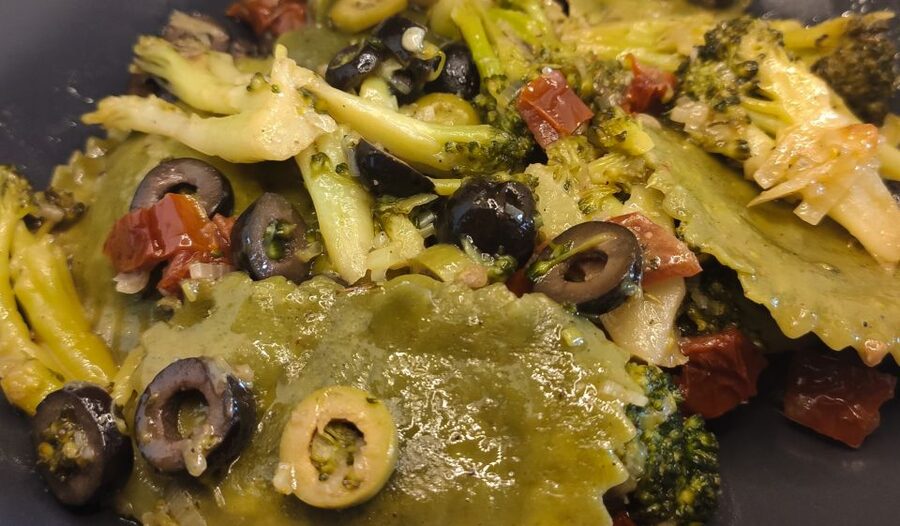
At $112.15 per person for about 3 hours, you’re paying for a real cooking lesson with ingredients, professional instruction, and a sit-down tasting. You’re not paying for a quick food stop where you sample and move on.
So what makes the price feel fair?
- You make multiple items: different doughs, multiple pasta types, and multiple sauces.
- You get hands-on coaching rather than watching.
- You get a full meal outcome, including wine.
- You likely receive recipes afterward, which extends the value beyond one evening.
What it doesn’t include, based on the information here: it’s not presented as a guided tour or a cultural walking route. This is a kitchen experience. If your goal is Sicilian history, markets, and street wandering, you might want to pair this with something else. Think of it as your hands-on Sicilian night, not your entire Sicily plan.
Who This Class Is Perfect For (and Who Should Think Twice)
You’ll love this if you:
- like cooking and want to learn technique you can repeat
- want something more memorable than a restaurant meal
- enjoy Sicilian flavors and want to understand them hands-on
- don’t mind getting flour on your hands in a professional kitchen
You might want to think twice if you:
- just want a quick taste and prefer not to cook
- are short on time and can’t spare a ~3-hour block
- have very specific dietary needs. The class includes egg pasta dough and durum wheat dough, so you’ll want to ask questions in advance if allergies or restrictions apply.
If you’re traveling with friends, it’s also a great group activity because everyone is doing the same core tasks (dough, shaping, sauce), so the conversation stays focused on the work and the results.
What You’ll Take Home: Skills, Confidence, and Flavor Memory
The biggest payoff from a class like this isn’t that you’ll eat well today. It’s that you’ll learn “why it works.”
By the end, you should have a clearer mental map of:
- how dough choices affect the pasta you shape
- how different pasta formats pair with Sicilian sauces
- how ragù, Norma, and Sicilian pesto each carry their own character
- how the pacing works when a chef finishes cooking and you focus on tasting and learning
That’s why guests mention learning a lot even if they’ve made Italian food before. When you’re taught the method in the right order, you stop guessing.
Should You Book This Fresh Pasta Class in Sicily?
Book it if you want a real cooking experience in Sicily where you:
- make multiple pasta types (tagliatelle, stuffed pasta, maltagliati)
- learn two dough styles (egg and durum wheat)
- cook classic Sicilian sauces (ragù, Norma, and Sicilian pesto)
- eat the results with Sicilian wine
Skip it if you’re not interested in cooking or you’d rather spend your limited time on sightseeing.
My advice: treat this as your “learn one Sicilian skill deeply” night. It’s structured, hands-on, and focused on flavor you can actually recreate, not just watch happen.
FAQ
How long is the fresh pasta cooking class?
The class lasts about 3 hours. Exact starting times depend on availability.
What will I make during the lesson?
You’ll make three different types of pasta with a professional chef’s guidance, using two types of dough: classic egg pasta dough and a typical Sicilian durum wheat dough.
What pasta shapes are included?
The class includes making tagliatelle, stuffed pasta (ravioli-style), and maltagliati.
What sauces are included?
You’ll make ragù, Norma, and Sicilian pesto as part of the seasoning portion of the class.
Will I eat what I cook?
Yes. The chef completes the cooking so you can sit down for a tasting of the foods you made, along with excellent Sicilian wine.
What languages is the instructor able to teach in?
The instructor teaches in English and Italian.
What is the price per person?
The price is $112.15 per person.
More Catania Workshops
More Tour Reviews in Catania






More Catania Cooking Classes
After something different? More tours and day trips around Catania and eastern Sicily










Catania Cooking Classes with a Local, compared.
 ★ 4.7Pistachio Ravioli, Pasta Home Cooking Class w/ WineFrom $100204 reviews
 ★ 5.0Cooking lesson in Catania with lunch or dinnerFrom $119154 reviews
 ★ 5.0From Catania: Private/Guided Godfather with Appetizer and PastaFrom $34242 reviews
 ★ 5.0Market Tour and Cooking Class with Chef RiccardoFrom $16940 reviews
 ★ 4.8Pasta & Tiramisu Cooking Class at a Local’s HomeFrom $11239 reviews
 ★ 5.0Private Catania Pasta-Making Class in a Local Home by CesarineFrom $17427 reviews
 ★ 4.8Cooking Class Arancini in Catania20 reviews
 ★ 4.9Pizza Cooking ClassFrom $10118 reviews
Browse the lists this tour appears in