
Reviewed · CATANIA COOKING CLASSES WITH A LOCAL
Catania: Pizza Cooking Class
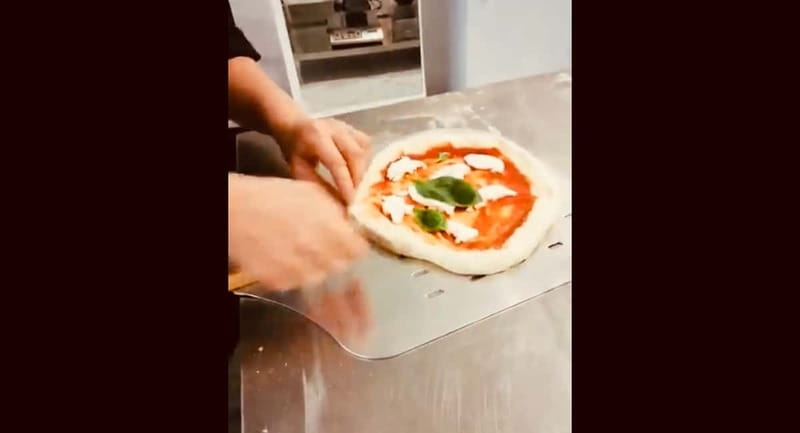
Sicilian pizza lessons beat watching from afar. In Catania, this hands-on pizza cooking class turns you from hungry to capable, with pizzaiolo chef Simona leading a small group of up to 8. I love that you truly make your own pizza with typical Sicilian flavors, and you also prepare a scacciata catanese in the same session. One thing to consider: it is work, not just a demo, so if you want to stay hands-off, this may feel too active.
The lesson is set up so your instructor prepares the station and has the ingredients ready, which keeps the focus on technique instead of logistics. I also like the way the course blends practical cooking with the fun finish of a degustazione, plus a show cooking segment for cannolo.
For a price of $101.96 per person and a 3-hour time block, you’re paying for a focused, small-group class rather than a general food walk. If you’re on a tight schedule, double-check the start time you want before you commit.
In This Review
- Key highlights you’ll care about
- What this Catania pizza class is really about
- Chef Simona in a small group: why the size matters
- The pizza lesson: technique, not just toppings
- Scacciata catanese: a Catania specialty you’ll want to repeat
- Degustazione: the tasting that turns practice into memory
- Cannolo show cooking: the filling technique you’ll remember
- Price and value: is $101.96 per person worth it?
- Who should book this Catania pizza cooking class
- Quick practical expectations before you go
- Should you book it? My recommendation
Key highlights you’ll care about
- Small group, limited to 8: enough personal attention while still keeping the energy lively.
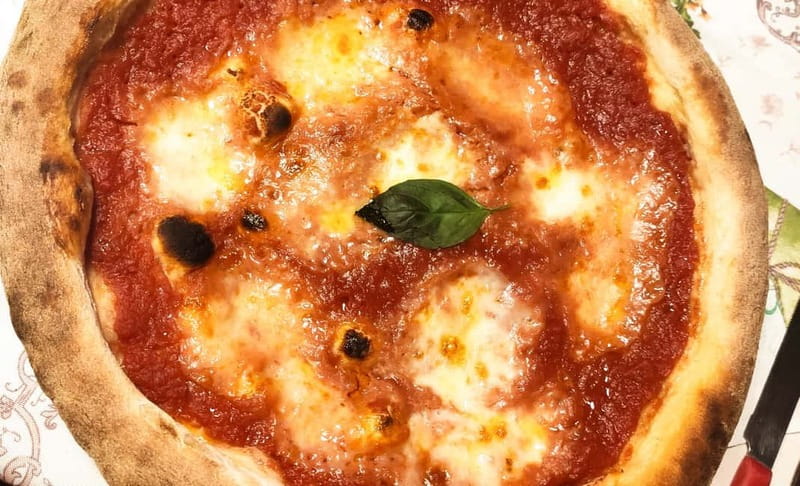
- Pizza making from start to finish: you prep and cook your own Sicilian-style pizza.
- Scacciata catanese preparation: you learn another signature Catania bite, not just pizza.
- Cannolo show cooking with filling technique: you learn how the wafers get filled.
- Degustazione included: you get to taste what you’ve helped create.
What this Catania pizza class is really about
If you’ve ever left Italy craving the memory of a dish but unsure how to recreate it, this is the kind of class that fixes that problem. The goal here isn’t to watch someone else cook and hope you can copy it later. You’ll make your own pizza, learn the logic behind the choices, and leave with a mental checklist you can actually use at home.
I also like that the course stays grounded in Sicilian comfort food. Pizza is the headline, but the lesson doesn’t stop there. You’ll also prepare scacciata catanese, and the session finishes with a cannolo segment focused on filling technique. That mix makes it feel like a mini food education in Catania, not a single recipe workshop.
And because the instructor prepares the station and brings the ingredients, you’re not spending your time hunting, sorting, or waiting. You can pay attention to what matters: dough, shaping, and the timing of cooking.
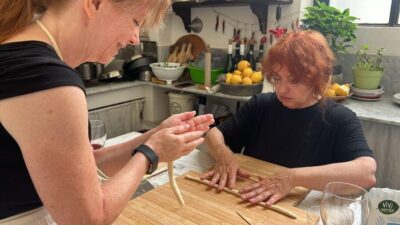
Rolling pasta and arancini in a local Catania kitchen.


Chef Simona in a small group: why the size matters
This class runs for about 3 hours and keeps the group small, limited to 8 participants. For me, that’s the sweet spot. Big groups can turn into “watch and hope.” Here, it’s much more likely you’ll get feedback when something doesn’t go the way you expected.
The instructor is Italian and English-speaking, which matters if your Italian is basic. You’ll get explanations you can follow, and you can ask questions without feeling like you’re slowing anyone down. In several notes about the experience, the teaching style and attention to questions show up again and again, and that matches the idea of a hands-on class built for learning.
Also, your pizzaiolo takes care of the station setup. That sounds simple, but it changes the vibe. Instead of the class starting with chaos, it starts with cooking. You’ll spend your time learning instead of waiting for equipment or ingredients.
The pizza lesson: technique, not just toppings
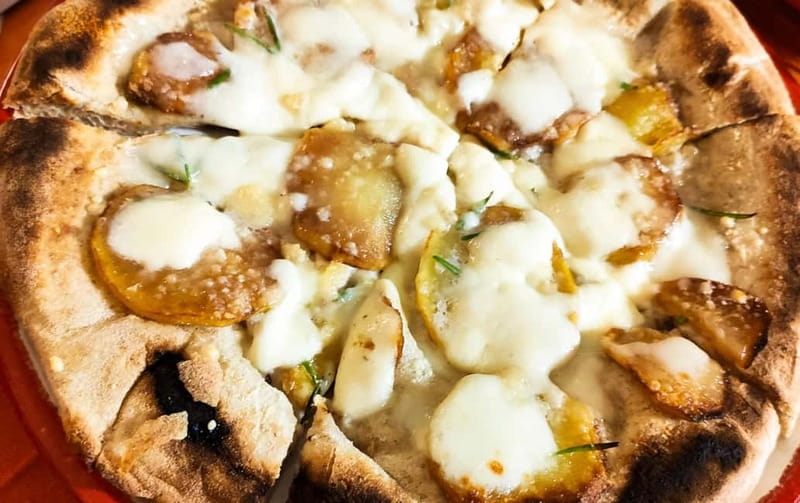
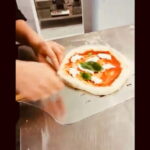
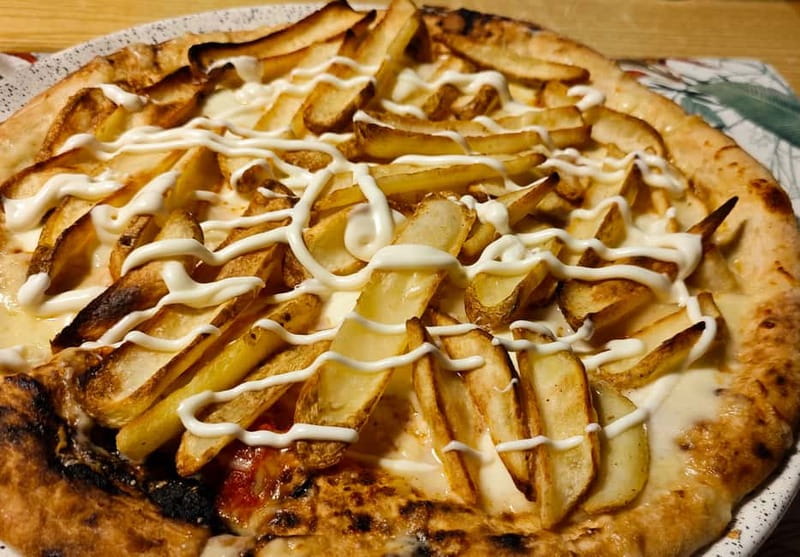
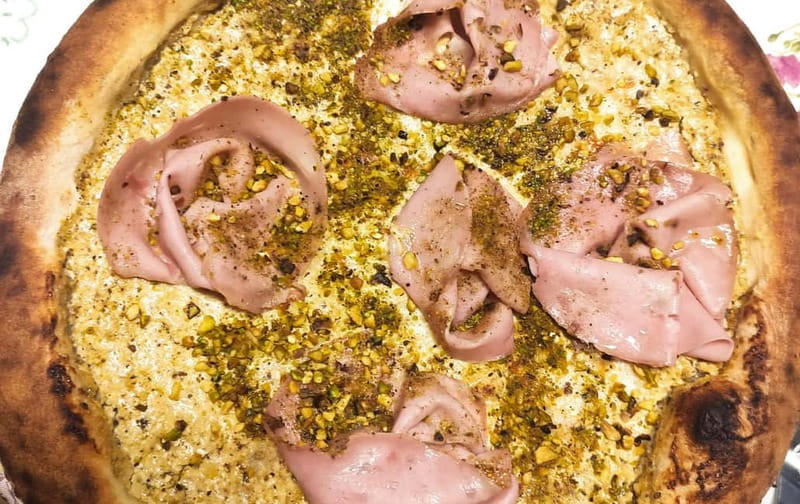
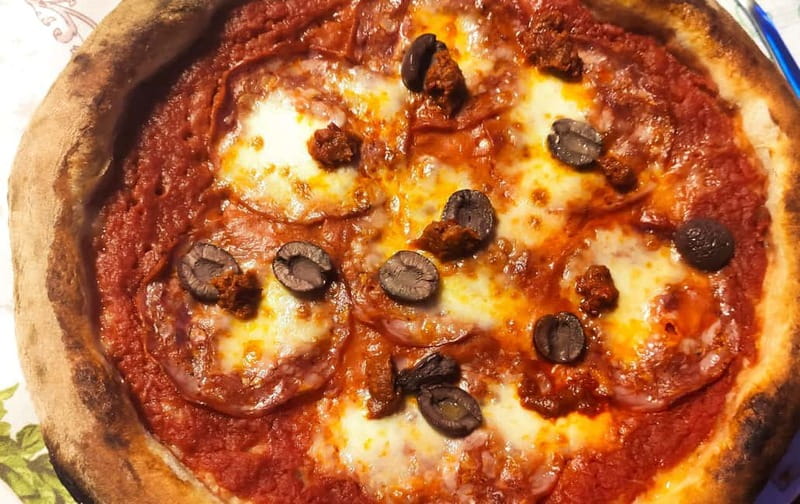
Pizza is more than a food in Sicily. It’s a creative canvas, and this course leans into that mindset. You’ll prepare and cook your own pizza using typical Sicilian ingredients and flavors, and you’ll learn what to do so you can re-create the process later.
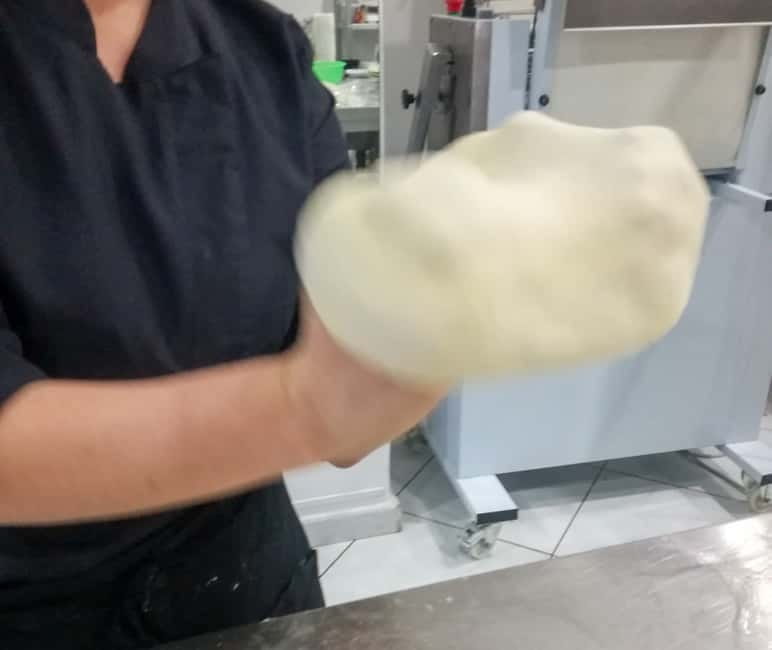
What I love about this part is that it’s not limited to assembling toppings. You’re involved in the steps that make pizza work. That means you aren’t just following a recipe like a checklist; you’re learning how the dough and handling affect the final result.
In practical terms, you’ll have an instructor guiding your station and keeping you on track while you work. You can ask about what you’re doing and how to correct it if something seems off. That matters, because pizza is where small changes show up fast in the texture and taste.
And since the session is only 3 hours, it’s designed to move at a pace that actually gets you cooking. There’s time for hands-on work, not just a slow tour of ingredients.
Scacciata catanese: a Catania specialty you’ll want to repeat
The course doesn’t treat scacciata as a side note. Scacciata catanese is part of what you’ll be preparing, and that gives you a second skill to take home.
Scacciata has its own identity compared with a typical pizza slice: it’s shaped and handled differently, and it lands in a different category of comfort food. Even without getting overly technical, the takeaway for you is clear. You’re learning how Sicilian cooks think beyond the round pie.
In this class, the scacciata portion fits naturally after you’ve gotten your pizza rhythm going. You’ll already be comfortable with the general cooking flow, so you can focus on the specifics that make this Catania classic work.
If you’re the type who likes to cook for friends, scacciata is a smart addition to your repertoire. It’s portable in concept, and it gives you a story beyond one dish. More importantly, you’ll have learned another method, which makes you a more flexible cook when you’re back home.
Degustazione: the tasting that turns practice into memory
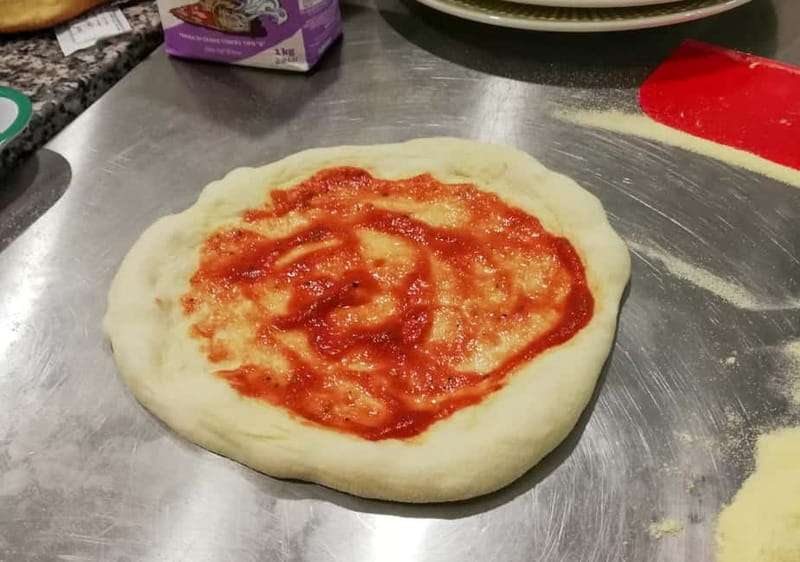
A lot of cooking classes talk about food tasting, but here tasting is built into the experience as a degustazione. That means you get a chance to evaluate what you made while the flavors and textures are still fresh in your mind.
For me, tasting right after cooking is what makes the lesson stick. You can connect the steps you performed to how the finished food actually behaves. If you’re trying to improve at home, that feedback loop is gold.
Also, because the session includes multiple elements (pizza, scacciata, and later the cannolo technique), the tasting helps you keep track of what’s what. It’s not just “you cooked, now leave.” It’s “you cooked, now learn from it.”
More hands-on Catania experiences to try.


Cannolo show cooking: the filling technique you’ll remember
After the pizza prep, the class shifts into show cooking for cannolo. You’ll see how the famous Sicilian cannolo is prepared, and you’ll learn the technique of filling the wafers.
This is a great segment for two reasons. First, cannolo is one of those foods people associate with Sicily instantly, so you’re learning a recognizable tradition. Second, the filling technique is a skill. It’s not only about taste, it’s about texture and handling.
Even if you never make cannoli at home before, a focused “how to fill it” lesson gives you a practical starting point. And since you’ll likely already be in a cooking mindset, this segment lands as a satisfying payoff rather than a random dessert detour.
If you enjoy dessert and also like learning technique, this part is one of the best reasons to book. It gives your trip a clear culinary souvenir that you can practice later.
Price and value: is $101.96 per person worth it?
At $101.96 per person for a 3-hour class, this isn’t a cheap snack workshop. You’re paying for instructor time, a small group limit, ingredient prep, and hands-on cooking plus tasting. That’s why the small size matters so much for value.
Here’s how I think about the worth:
- You do multiple items, not just one. Pizza plus scacciata plus cannolo instruction gives you more take-home capability than a single-recipe class.
- You get active guidance, because the group is limited to 8. With more people, you risk spending time waiting rather than learning.
- The station is set up for you, so the lesson stays focused on cooking instead of scrambling for tools.
If your priority is “best value,” look for classes that let you cook and not just watch. This one checks that box. It also earns strong marks overall, with a 4.9 rating from 18 reviews, which suggests the experience is landing well for people who come specifically to learn.
Who should book this Catania pizza cooking class
This experience fits best if you want more than a tourist meal. You’ll enjoy it if you like practical instruction and you’re interested in Sicilian food beyond the basics.
It also suits couples and small groups because the format is designed for limited participation. If you’re traveling with friends, you’ll appreciate the shared work of making pizza and scacciata together, then comparing notes during the degustazione.
You might consider skipping it if your idea of a good class is mostly watching, photographing, and taking mental notes. This is an active session, so you’ll get the most out of it by jumping into the dough and the shaping steps.
Quick practical expectations before you go
Because the course runs for 3 hours, plan to treat it as your main event for that time block. It’s not a short stop and it’s not a full-day immersion. It’s a focused learning session.
You’ll work with an instructor who speaks Italian and English, and the pizzaiolo prepares the station and ingredients for you. That reduces downtime and helps you stay on task. You’ll also taste what you’re making, which is a nice way to confirm what you did right.
Finally, keep in mind that you’re learning food you can re-propose at home. The course is built around technique and repeatability, not just tasting local dishes once and moving on.
Should you book it? My recommendation
Book this Catania pizza cooking class if you want hands-on Sicilian cooking with a clear payoff. You’ll leave with skills you can repeat: making pizza with typical ingredients and flavors, preparing scacciata catanese, and learning the cannolo filling technique through show cooking.
I’d especially recommend it if you’re aiming to bring home more than a photo. The small group format, the instructor-led setup, and the built-in degustazione all support real learning in a short window.
If you tell me what days you’ll be in Catania and whether you prefer cooking over watching, I can help you decide if this timing and lesson length fits your trip style.
More Catania Workshops
More Tour Reviews in Catania






More Catania Cooking Classes
After something different? More tours and day trips around Catania and eastern Sicily











Catania Cooking Classes with a Local, compared.
 ★ 4.7Pistachio Ravioli, Pasta Home Cooking Class w/ WineFrom $100204 reviews
 ★ 5.0Cooking lesson in Catania with lunch or dinnerFrom $119154 reviews
 ★ 5.0From Catania: Private/Guided Godfather with Appetizer and PastaFrom $34242 reviews
 ★ 5.0Market Tour and Cooking Class with Chef RiccardoFrom $16940 reviews
 ★ 4.8Pasta & Tiramisu Cooking Class at a Local’s HomeFrom $11239 reviews
 ★ 5.0Private Catania Pasta-Making Class in a Local Home by CesarineFrom $17427 reviews
 ★ 4.8Cooking Class Arancini in Catania20 reviews
 ★ 4.8Cooking class fresh pastaFrom $11217 reviews
Browse the lists this tour appears in