
Reviewed · CATANIA OLD TOWN WALKING TOURS
CASA NEPETA: Botanical Walk, Amari Production, and Tasting
Bitters can sound fancy. Here they feel hands-on. Casa Nepeta pairs a botanical walk in the Iblean herb fields with a guided look at how Sicilian amari are made, then finishes with a tasting you can shape to your taste (neat, on ice, or in a botanical cocktail).
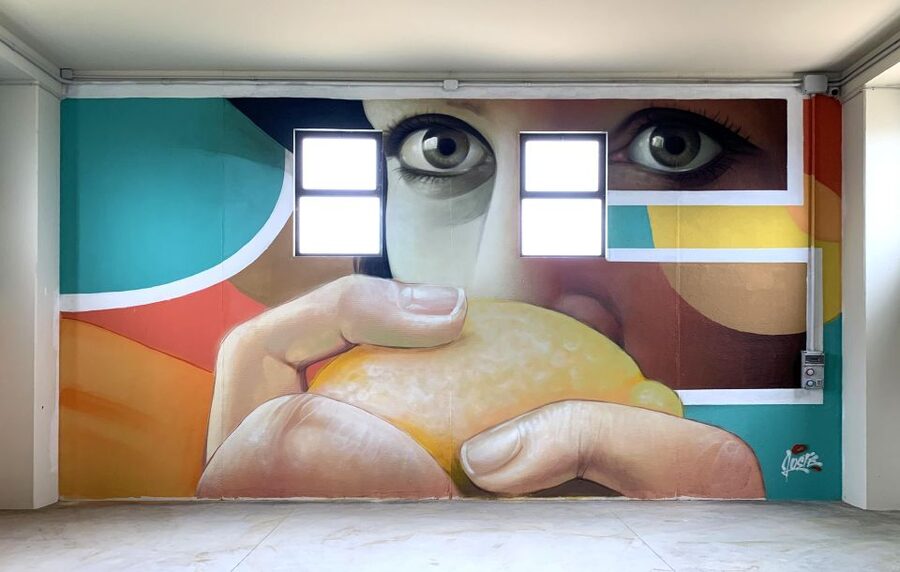
Two things I really like: first, the focus stays on the plants themselves—nepitella, marjoram, and wild thyme—so you’re not just sipping, you’re learning what’s going into your glass. Second, you get a real factory stop, including the interior mural by the street artist Loste, which turns an otherwise practical visit into something memorable.
One consideration: you’ll walk, smell, and stand around during the process, so it helps to wear supportive shoes and plan for a short but active 2-hour block without adding a long meal stop right before or after.
In This Review
- Key highlights you’ll feel during the tour
- Casa Nepeta in Testa dell’Acqua: what makes this amaro experience different
- The botanical walk: smelling Iblean herbs before your first sip
- Nepitella, marjoram, and wild thyme: the ingredients you’ll actually remember
- Inside the liquor factory: Loste’s mural and the production space
- How bitters and amari get made: learning the process without getting stuck in jargon
- The tasting: neat, on ice, or in botanical cocktails
- Price and value: is $58 fair for 2 hours?
- Who should book Casa Nepeta (and who might not)
- Practical tips for your day in Testa dell’Acqua
- Should you book? My take
- FAQ
- What is Casa Nepeta located in?
- How long is the experience?
- How much does it cost?
- What does the tour include?
- What’s included in the tasting?
- What languages are available?
- Is transportation provided to and from the activity?
- Are meals included?
- What should I bring?
- Is it wheelchair accessible?
Key highlights you’ll feel during the tour
- Herb collecting and smelling: you don’t just look at plants, you handle them and take some with you
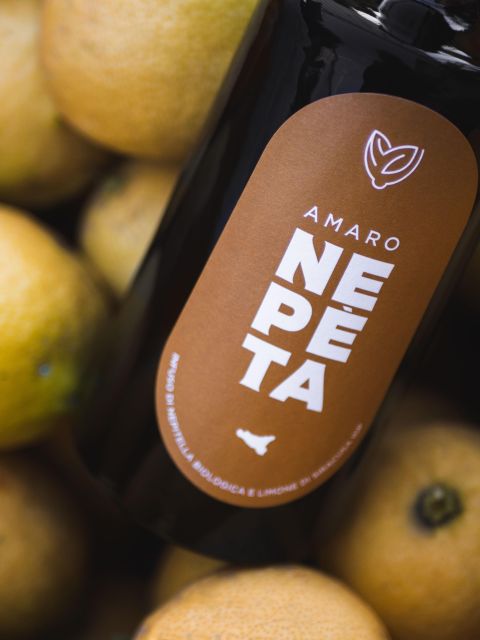
- Nepitella, marjoram, and wild thyme: key ingredients behind Nepèta, Majora, and Timous (sugar-free amaro)
- Factory mural by Loste: a striking visual moment inside the production space
- Tasting choices: bitters and amari neat, on ice, or mixed into botanical cocktails
- Plant properties explained: you learn why these herbs matter before you taste
Casa Nepeta in Testa dell’Acqua: what makes this amaro experience different
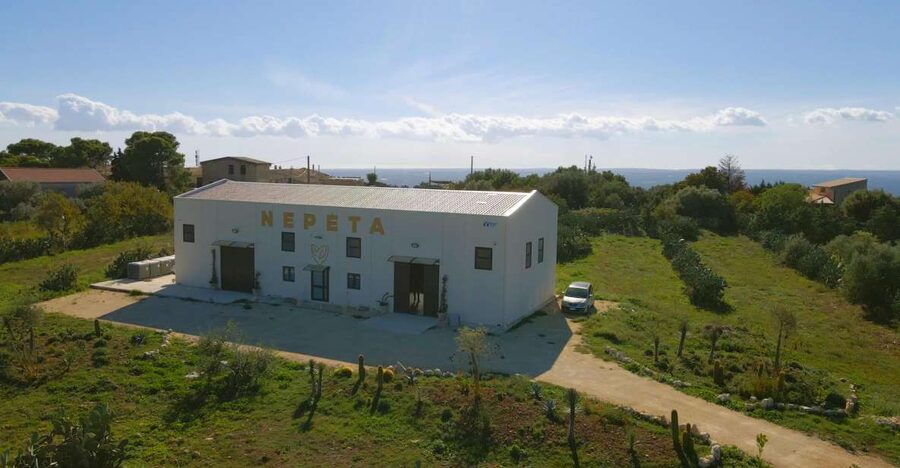
Most amaro tastings are basically a pour-and-smile situation. Casa Nepeta adds a step most people skip: the work behind the flavor. The setting is in Sicily, in Testa dell’Acqua, where the company grows aromatic herbs tied to the Iblean territory. That matters because the plants aren’t an afterthought. They’re the whole starting point.
You’ll spend the first part of the tour outdoors, learning which herbs connect to which bottles. Then you move into the production space for the bitter-making story, plus that inside-the-factory mural by Loste. The end result is that the tasting feels earned. You’re not guessing what you’re drinking—you know what plant notes you should be looking for.
The guide support also helps. In the experience I’m recommending, you’ll be hosted by a local team with Italian, English, and Spanish available, and the tone is practical and passionate, not overly technical.
More of baroque Catania on foot, from Via Etnea to the Duomo.


The botanical walk: smelling Iblean herbs before your first sip
The tour starts where flavor begins: in the field. You’ll walk through the area where the factory grows different aromatic plants typical of the Iblean landscape. This isn’t a generic garden stroll. The walk connects each herb to what gets produced afterward.
Here’s how this part becomes useful for you: you train your senses before the tasting. When you later smell a bottle and a cocktail, you can match it to something you handled earlier—leaf shape, aroma strength, and the way the herb reads in your nose.
You’ll also get the chance to collect and smell the herbs used in the bitters and liquors. That sounds small, but it’s a big deal. Aroma sticks to memory. If you’re the kind of traveler who buys a drink and then can’t remember what convinced you, this makes the flavor stick.
Wear comfortable shoes. You’re on your feet for the walk portion. And bring weather-appropriate clothing. Since you’re outdoors at the beginning, you’ll thank yourself for layers.
Nepitella, marjoram, and wild thyme: the ingredients you’ll actually remember
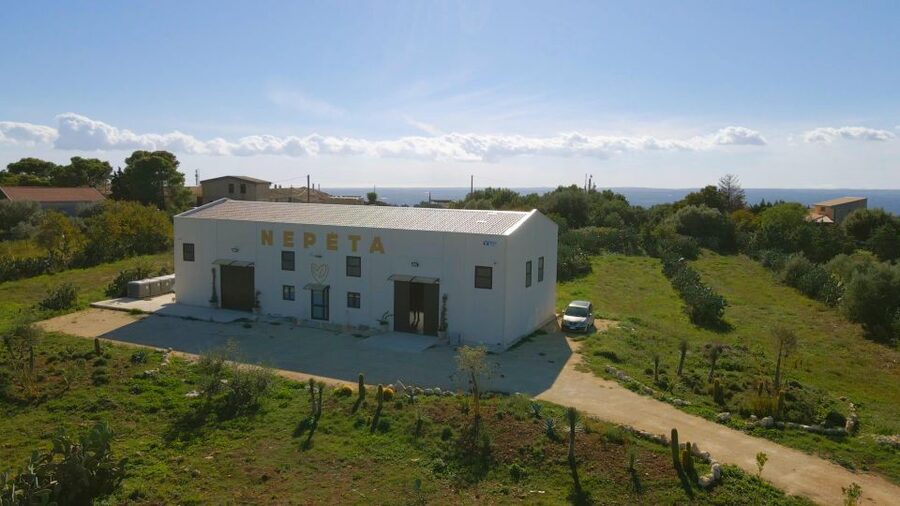
The tour focuses on three standout ingredient stories. These aren’t vague “local herbs” references. You’ll learn names and how they relate to specific products:
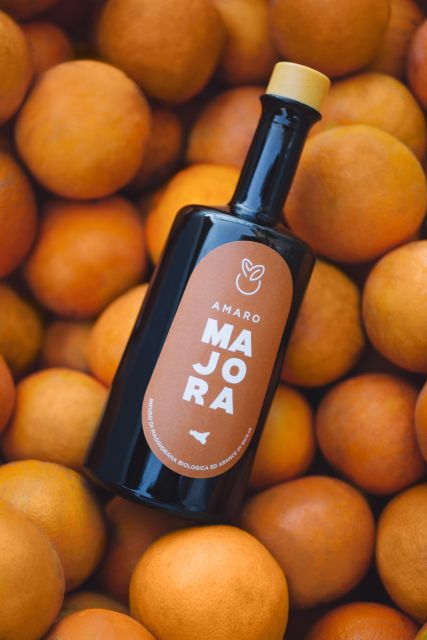
- Nepitella (tied to the Nepèta liquer)
- Marjoram (tied to Majora)
- Wild thyme (tied to Timous, a sugar-free amaro)
Knowing these names helps you during the tasting, because you’ll be able to connect the smell you picked up outdoors to the flavor you’re served later. It also makes your notes (and your future bottle-buying) way easier.
The tour also explains the properties of the plants and herbs used for production. Even if you don’t retain every botanical fact, the takeaway is simple: different herbs contribute different strengths—bitter structure, aromatic top notes, and that herbal backbone that makes amaro taste like more than just sweetness.
Inside the liquor factory: Loste’s mural and the production space
After the field time, you’ll head indoors to the liquor factory. This is where the experience shifts from sensory to process: you’ll see where the story turns from plant to bitters.
One of the most eye-catching moments is the mural inside the factory by Loste—the famous street artist known for bold work in Palermo associated with Falcone and Borsellino. Even if street art isn’t your thing, it breaks up the usual industrial feel. It also makes the visit more than a technical stop.
What I like about this combo—walk outside, then factory inside—is that it gives you contrast. You can literally go from the living plants you smelled to the production setting where those plants get transformed. That contrast helps the process feel real, not abstract.
How bitters and amari get made: learning the process without getting stuck in jargon
The tour centers on the production process of bitters. You’ll learn the key steps that turn herbs into the bitter profile most people recognize from amaro. You also get explanations about why those steps matter, so the tasting isn’t just a blind experiment.
Because you’ll already know which herb is tied to which product, you can follow the logic better. For instance, when you hear about processing and bitter development, you can connect it to what you smelled during the walk. It’s easier to understand bitterness once you’ve matched it to a specific plant.
One practical benefit for you: by the end, you’ll be better at describing your own preferences. Is it the herbal nose? The bitterness intensity? The way a cocktail softens or sharpens that bitterness? The tour sets you up to answer those questions yourself.
More Catania food and drink to seek out.





The tasting: neat, on ice, or in botanical cocktails
The finale is a tasting designed around choice. You can taste the liquors neat, on ice, or in botanical cocktails. That flexibility is a smart value for you, because different drinks show different sides in different serving styles.
- Neat tasting is for clarity: you’ll notice the raw herbal character and bitter backbone.
- On ice can round the edges and make it easier to pick up lighter aromas.
- Botanical cocktails shift the balance: mixing can highlight aroma and make bitter flavors feel more approachable.
This is also where the tour’s earlier work pays off. If you remember the herb names—Nepitella, marjoram, wild thyme—your tasting becomes guided. You’ll know what to watch for, instead of just hoping something tastes good.
From the tone of the experience hosted there, the tasting isn’t treated like a lecture test. It’s more like a friendly finish where you get to taste, adjust, and learn what happens when bitterness meets different serving styles.
Price and value: is $58 fair for 2 hours?
At $58 per person for about 2 hours, this isn’t a bargain price in the “grab a quick sample” category. But it also isn’t priced like a luxury multi-stop day.
Here’s what makes it good value for the money:
- You get a guided botanical walk plus a factory production visit, not just a tasting counter
- You learn ingredient-to-product connections, including specific items like Nepèta, Majora, and Timous
- You get the sensory add-on most food-and-drink experiences skip: collecting and smelling herbs
- You finish with a tasting that includes different formats (neat, on ice, cocktails)
So if you like the idea of learning while you taste—especially if you enjoy herb flavors—this price tends to make sense. If your main goal is only a quick drink, you might find it feels more structured than you expected.
Who should book Casa Nepeta (and who might not)
This works best if you:
- enjoy food and drink with a real production angle
- like walks where you’re learning specific plants, not just taking photos
- want a short Sicilian experience that feels local and grounded
You might not love it as much if:
- you dislike standing and walking, even for a short 2-hour block
- you only want a passive tasting with minimal guidance
It’s also a nice fit for couples, small groups of friends, and anyone traveling solo who likes interactive guides. You’ll be able to ask questions, and you’ll leave with stronger flavor memories than you’d get from a standard bar stop.
Practical tips for your day in Testa dell’Acqua
This is a “small things matter” type of tour. A few details can make your experience smoother:
- Bring comfortable shoes. The botanical walk portion is the part most people feel in their legs.
- Bring a camera—the factory interior mural and the herb field scenery are photo-friendly.
- Bring a water bottle. The tour is short, but staying hydrated is still smart outdoors.
- Wear weather-appropriate clothing, since you’ll start outside.
Also plan timing wisely. Since meals aren’t included, don’t schedule a full sit-down meal immediately after unless you’re sure you’ll have time to reset.
Should you book? My take
Yes, I’d book it if you want an amaro experience that feels connected to place. The best parts are the plant-first approach (collect, smell, learn) and the hands-on taste structure (neat, ice, botanical cocktails), plus the bonus of a Lostе mural inside the factory. It’s the kind of tour that makes your final sip feel specific.
Skip it only if you want a quick drink with little walking or learning. Otherwise, Casa Nepeta is a solid, value-friendly choice for a two-hour Sicily stop that’s both practical and memorable.
FAQ
What is Casa Nepeta located in?
It’s in Sicily, Italy, in the area of Testa dell’Acqua.
How long is the experience?
The duration is 2 hours.
How much does it cost?
The price is $58 per person.
What does the tour include?
It includes a guided botanical walk, a tour of the amari production process, a tasting of bitters and botanical cocktails, and the opportunity to collect and learn about aromatic herbs.
What’s included in the tasting?
You’ll be able to taste bitters and liquors neat, on ice, or in botanical cocktails.
What languages are available?
The host or greeter offers Italian, English, and Spanish.
Is transportation provided to and from the activity?
No. Transportation to and from the activity location is not included.
Are meals included?
No. Meals and additional beverages are not included.
What should I bring?
You should bring comfortable walking shoes and a camera. It also helps to bring a water bottle.
Is it wheelchair accessible?
Yes, the experience is wheelchair accessible.
More Catania Food and Drink


More Tour Reviews in Catania





More Catania Old Town Walks

After something different? More tours and day trips around Catania and eastern Sicily








Catania Old Town Walking Tours, compared.
 ★ 4.6Heart of the City Guided Walking TourFrom $23708 reviews
 ★ 4.7City Highlights Walking TourFrom $14666 reviews
 ★ 4.6Underground Catania Tickets and Guided TourFrom $29536 reviews
 ★ 4.8Benedictine Monastery of Catania – English Guided TourFrom $11434 reviews
 ★ 4.9Street Food Guided Walking TourFrom $56326 reviews
 ★ 4.7Guided Street Food Walking TourFrom $58300 reviews
 ★ 5.0Syracuse, Ortigia and Noto walking tour from CataniaFrom $129273 reviews
 ★ 4.8The heart of the City – Tour guidato in ItalianoFrom $23171 reviews
Browse the lists this tour appears in