
Reviewed · ETNA VOLCANO TOURS FROM CATANIA
Catania: Mount Etna Tour with Lunch
Etna looks calm from far away, then you get close. This 6-hour guided Mount Etna day mixes hands-on crater walking with volcano science (geology, biology, volcanology) and a Sicilian lunch up at 2,000 m. Add in stops for Hornitos and the Valle del Bove, plus local tastings, and the day feels like a guided walk through real-world Earth history.
I especially like the small group size (limited to 6), because the guide can slow down for questions and still keep things moving. I also like how the food is built into the experience: you get wine and local product tastings around Zafferana Etnea, then a proper lunch at altitude.
One consideration: this is not a relaxed sit-and-sip excursion. It involves walking on uneven volcanic ground and it’s not suitable for wheelchair users or people with mobility impairments, with footwear often being a make-or-break factor.
In This Review
- Key highlights worth showing up for
- From Catania up Etna: what the day really feels like
- The Zafferana Etnea stop: wine, food tastings, and a real market feel
- Valle del Bove: where the photos turn into a lesson
- Lava flow cave visit: torch-lit, hands-on Etna geology
- Silvestri Craters and Hornitos: ancient activity you can walk around
- Lunch at 2,000 m: Sicilian produce, wine, and the altitude factor
- Guides and pacing: why small groups make a difference on Etna
- Who this Etna tour is best for (and who should rethink it)
- Should you book this Mount Etna tour with lunch?
Key highlights worth showing up for
- Crater-rim walking with an expert guide, focused on what’s living and what’s dormant
- Hornitos as a direct look at ancient volcanic activity
- Valle del Bove photo stop and guided time on the route, with big-sky views
- Torch access for a lava flow cave visit, not just another roadside viewpoint
- Lunch at about 2,000 m, paired with local Sicilian flavors and wines
- Zafferana Etnea tastings, including food and wine stops before the heavier Etna sights
From Catania up Etna: what the day really feels like
This tour runs for about 6 hours, starting in central Catania with pickup options that include P.za dei Martiri, 19 and, for another option, a meeting point near via provinciale 23/25 in Acitrezza. If you pick up at Acitrezza, departure is listed around 8:45am (traffic can nudge timing), and you’re asked to arrive early—so build in buffer time.
Once you’re moving, the day is structured around short segments and frequent stops, which helps. You drive through the region while your guide explains what you’re seeing, then you get out to walk on scenic paths away from the busiest tourist zones around dormant craters. Many guests call out pacing as a win, especially with guides like Luca and Alessio, who adjust to the group and keep explanations flowing in multiple languages.
The vehicle part is also worth understanding. It’s air-conditioned, but it’s still a van/Jeep-style ride up a volcanic area where roads can be curvy. One guest noted comfort wasn’t perfect in their car, but they had no issue swapping seats at stops. If you’re sensitive to bumpy rides, pack a little patience and consider bringing something for motion comfort.
Finally, plan for weather surprises. One booking mentioned heavy snow blocking crater views. Etna can be unpredictable day to day, and the tour still goes on, just with altered visibility. Bring layers you can add or strip fast, and keep your expectations flexible.
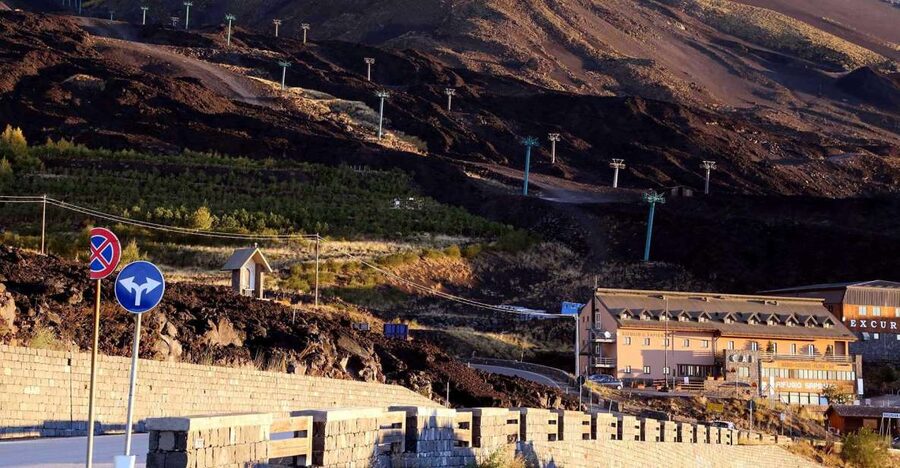
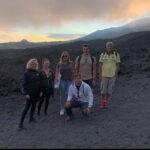
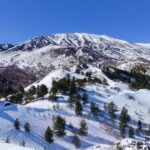
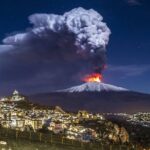
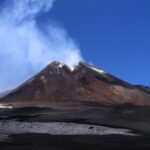
Back up the volcano, with Etna smoking above Catania.
The Zafferana Etnea stop: wine, food tastings, and a real market feel
Before the volcano-heavy moments, you shift gears in Zafferana Etnea, a town known for food, wine, and Etna-linked production. The schedule here includes wine tasting, food tasting, and a food market visit, so you’re not just consuming flavors—you’re learning how the region packages them.
What I like about this stage is that it frames Etna as more than a big mountain. You’re seeing the “living volcano” angle in human form: bees and orchards, farms shaped by volcanic soils, and producers who talk about flavor with pride. Guests highlight tastings that go beyond wine, with notes that include honey and other local products like oil and olives as part of the day’s food theme.
This is also where smaller group dynamics help. With only a handful of people, you’re more likely to hear real explanations rather than a rushed sales pitch. Even with kids in the group, guides such as Stefano and Alessio were described as friendly and chatty, and that matters because it makes the food stop feel like part of the tour, not a detour.
One practical note: the tastings happen fairly early. If you’re the type who gets overwhelmed by too many samples, pace yourself. You’ll still have a long drive and a lunch later, so treat this as guided tasting time, not an all-you-can-eat event.
Valle del Bove: where the photos turn into a lesson
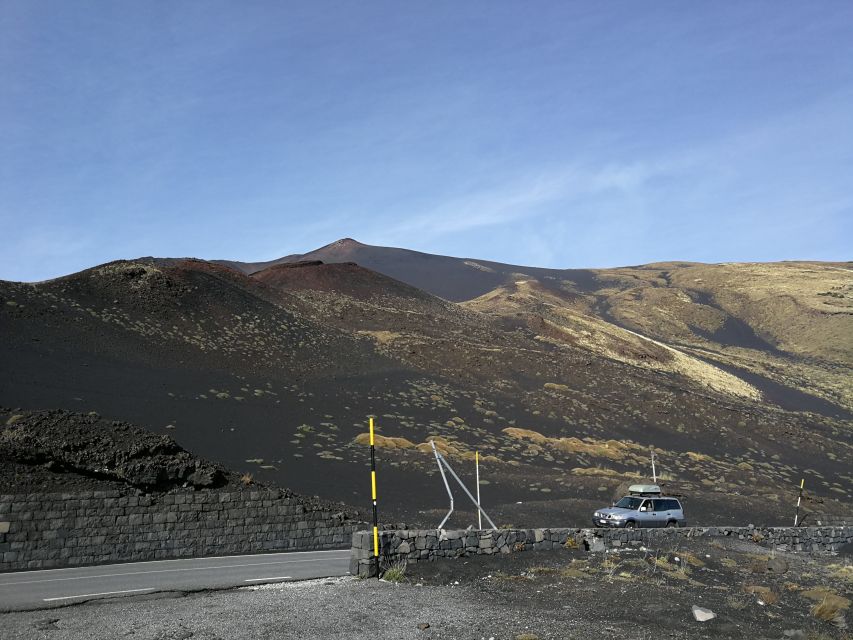
After Zafferana Etnea, the day turns toward the biggest views. You’ll hit Valle del Bove, typically with a photo stop and then guided time to make sense of what you’re seeing. This is where the geometry of Etna starts to click: ridges, depressions, and volcanic shaping that looks almost sculpted.
What makes Valle del Bove worth your time is the way a good guide connects the scenery to processes. You’re not just staring at a wide valley; you’re hearing why it forms, how volcanic activity builds and reshapes areas over time, and what that means for plants and animals that have adapted to these conditions. Several guides named in bookings, including Ortazio Romano with co-guide Fabio, were praised for taking people to spots where fewer large tour buses land, at least until the big-group pickups.
This section also includes a mix of walking and stopping. The tour description emphasizes staying away from purely tourist-ridden viewpoints. You get those “I can see why this matters” moments, especially after the drive when the views suddenly open up and you realize you’re not on a paved lookout only.
If you’re a photographer, Valle del Bove is the kind of place where timing matters. Low cloud or snow can flatten the contrast, so if conditions aren’t perfect, focus on textures and wider angles rather than expecting dramatic crater visibility.
Lava flow cave visit: torch-lit, hands-on Etna geology
One of the most memorable elements is the lava flow cave visit, described as an experience where you carry a torch and walk through a lava-formed space. This is the kind of stop that turns “volcano talk” into something physical you can feel with your own senses.
Why it’s valuable: you get to see volcanic material in a new form. On the surface, Etna can look like rock and ash. In a cave, you understand how those materials move and solidify into shapes that survive. The tour ties this back to the bigger geology lesson you’ve been hearing in the vehicle.
You’ll also get a better sense of scale. One guest called out walking on lava extensions and exploring caves as super interesting, and that matches the overall flow of the day: crater rims outside, then a geology “inside” moment. It’s a great change of pace after walking and before lunch.
Practical tip: wear shoes you trust. Even if the walk isn’t described as extreme, caves and volcanic paths don’t forgive flimsy footwear. Trekking shoes are listed as available on request, so if you didn’t pack proper footwear, ask ahead of time rather than waiting.
Silvestri Craters and Hornitos: ancient activity you can walk around
As the day continues, you spend time at multiple crater-related stops, including Silvestri Craters and a site called Hornitos. The tour is built around walking along crater rims of dormant craters, which is where the “living volcano” concept becomes very real. Dormant doesn’t mean inactive; it means you’re looking at a phase of the volcanic story that’s not erupting today.
The Hornitos stop is especially interesting because it signals ancient volcanic activity in a way that feels less abstract than a museum explanation. Instead of only being told about volcanic structures, you can stand near formations that reflect real eruptive behavior.
Silvestri Craters is a longer guided chunk (the schedule lists around an hour there), plus additional photo-stop time at other points. This structure helps you see the terrain from different angles. It’s also likely where you’ll do the most walking on uneven ground, since crater rim walking generally involves sloping areas and rocky footing.
Weather again matters here. If visibility is limited due to snow or fog, you’ll still get a good education because the guide can explain what you’re looking at even when the far views are muted. One guest said snow made it hard to see the crater, but the trip still worked out and they enjoyed getting outside Catania—so even with imperfect visibility, the day can still be worth it.
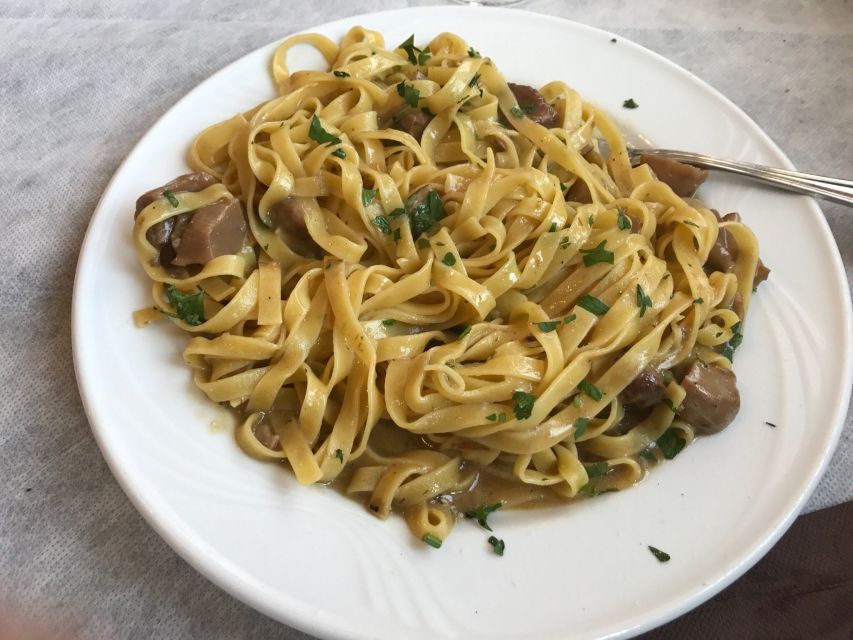
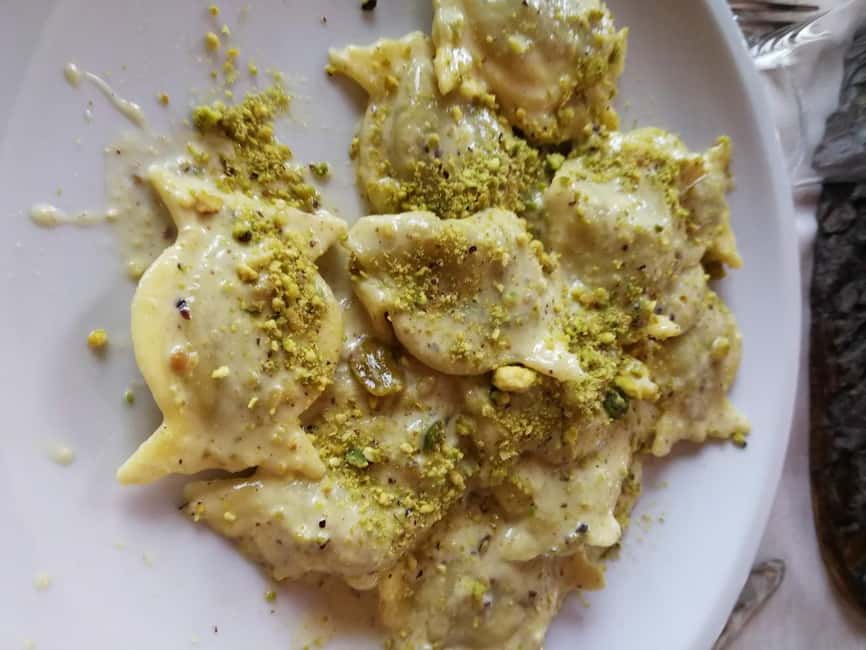
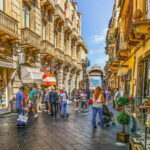
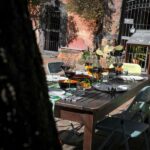
More long Sicilian lunches on your day out.



Lunch at 2,000 m: Sicilian produce, wine, and the altitude factor
Lunch is served at around 2,000 m above sea level, and that detail changes the whole experience. At altitude, you often feel it quickly—cooler air, stronger light, and a sharper sense of being “on the mountain.” Even if you don’t think much about weather, your body will.
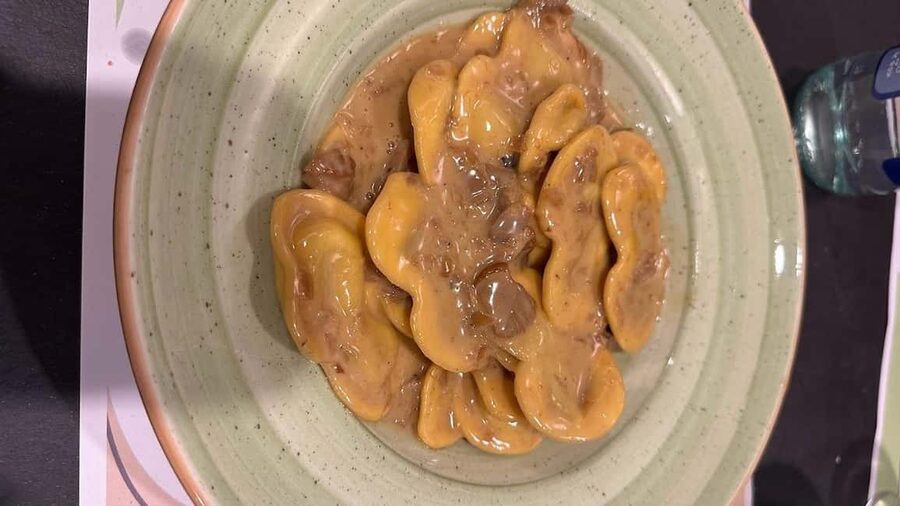
The tour includes lunch and centers it on typical Sicilian products and local wines, with tastings continuing to highlight the flavors of the volcano region. Reviews mention abundant lunches and even three-course style meals at later stops, plus generous tasting variety such as wine, oil, honey, olives, and more.
There is one pricing/value note you should pay attention to. One guest described lunch as an extra 30 EUR and ended up eating alone at a restaurant with a great view, and they felt it reduced cost effectiveness. That doesn’t automatically mean the lunch is always extra for everyone, but it’s a strong reminder to check your booking specifics before you assume everything is included in the base price. With a listed price of $105 per person, I’d treat the lunch as a key part of the value, but verify the lunch type and whether it’s truly included for your ticket.
What you’ll enjoy most about lunch here is the setting plus the context. This isn’t lunch near a parking lot. It’s lunch where the guide’s explanations have brought the day’s volcanic story into focus, so you eat while the whole place makes sense.
Guides and pacing: why small groups make a difference on Etna
The biggest repeated strength in the experience is the guide. Names that came up include Raul, Reggie, Rui, Luca, Alessio, Stefano, and Kevin—and the common thread is engagement, clear explanations, and an ability to handle questions without making the group feel rushed.
Language coverage matters too. The guide is listed as multilingual, with Italian, Spanish, French, and English. One booking described explanations in three languages at once, which tells you these guides are used to mixed-language groups. If you don’t share language with everyone in your group, that flexibility helps you keep up.
Pacing is another quality. Multiple guests praised guides who moved at a comfortable speed and allowed room for interests. One guest with a family noted how the guide handled lots of questions from children. Another guest highlighted that walks on lava extensions, crater rims, and caves felt well-paced rather than hurried.
Small group size is what makes that possible. With only up to 6 participants, the guide can adjust the route and stop length without turning the day into a race. You also get more chances for real conversations—Sicily culture, volcano science, and even everyday life around the mountain.
One more practical note from the field: winter footwear. Trekking boots aren’t guaranteed automatically. If you’re traveling in cooler months, ask about footwear support ahead of time, since one review specifically pointed out needing to request boots to avoid feeling underprepared.
Who this Etna tour is best for (and who should rethink it)
This is a strong pick if you want a guided volcano day that mixes science, walking, and food. It’s also a good fit for people who enjoy short segments of walking paired with frequent viewpoints and photo stops. The tour includes helmet (optional) and walking time around crater rims and volcanic sites, plus a cave exploration.
It’s less ideal if you have mobility challenges. The activity is explicitly listed as not suitable for people with mobility impairments and wheelchair users. Even if you can handle some stairs or uneven ground, crater rim walking typically means footing matters.
Families can work, based on how guides handled kids and questions in at least one described booking. If your children can stay engaged during explanations and short walks, you’ll likely have a smoother day than if everyone needs long, frequent breaks.
If you hate crowds, this tour’s small-group setup is a plus. One guest noted they reached locations that larger tour buses don’t reach until later on. For many people, that means less time waiting and more time actually looking.
And if you’re only interested in a single iconic view of the crater, you might find the schedule spreads the experience out. It’s not just one dramatic overlook. It’s a chain of stops: hornitos, crater rims, Valle del Bove, caves, and tastings. That variety is the point.
Should you book this Mount Etna tour with lunch?
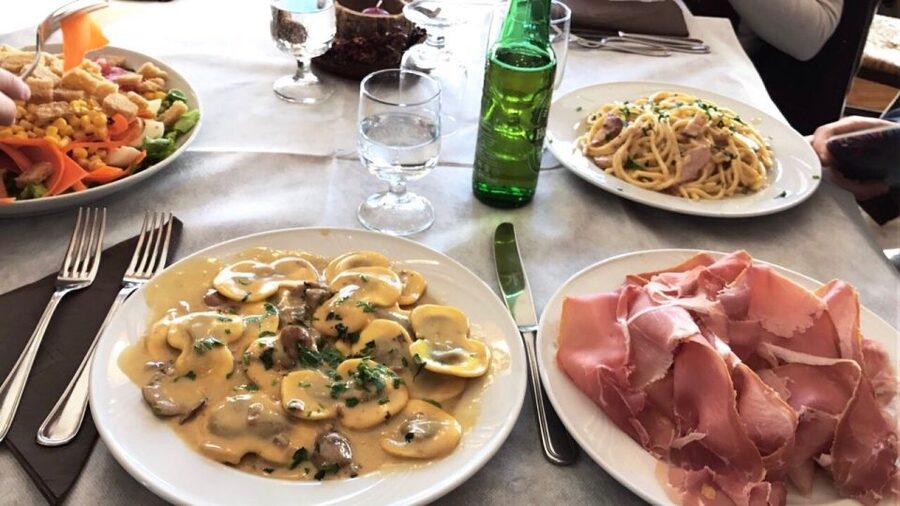
I’d book it if you want a guided Mount Etna experience that goes beyond photo stops and includes both a volcanology + biology-style explanation and a real Sicilian lunch at altitude. The small group size is a major quality multiplier, especially if you like asking questions and getting answers on the spot.
You might skip or reconsider if you know you’ll be uncomfortable on uneven volcanic ground, since this tour isn’t designed for wheelchairs or mobility impairments. Also, if you’re traveling in winter, treat footwear as a priority and double-check what’s included in your lunch price so you don’t get surprised.
If you want one volcano day that feels hands-on, with food that’s genuinely tied to the region, this is a solid option. Etna’s power is hard to fake, and a good guide makes it make sense fast.
More Tours in Catania
More Tour Reviews in Catania
More Etna Volcano Tours from Catania
After something different? More tours and day trips around Catania and eastern Sicily


Etna Volcano Tours from Catania, compared.
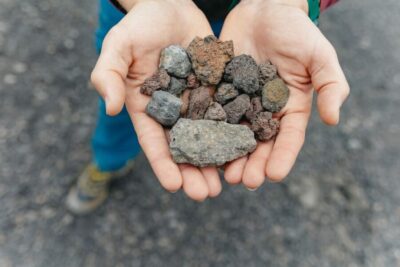 ★ 4.8Mount Etna Morning or Sunset Day Trip with TastingFrom $704,028 reviews
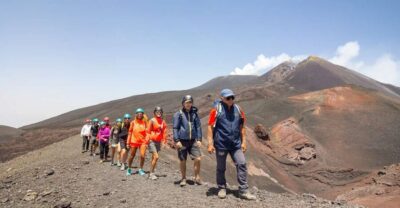 ★ 4.7Guided Volcano Summit Hiking Tour with Cable CarFrom $1243,784 reviews
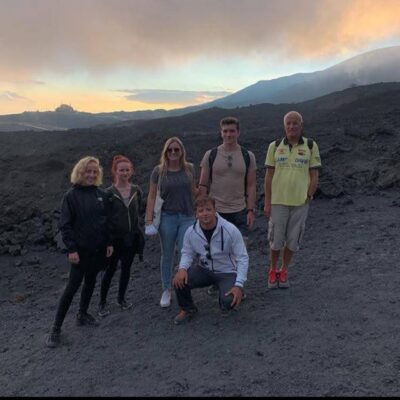 ★ 4.8Sunset Jeep Tour of Mount Etna and Lava Flow CavesFrom $712,113 reviews
 ★ 4.8Etna and Alcantara Gorges Full-Day Tour with LunchFrom $1051,766 reviews
 ★ 4.7Etna Volcano: South Side Guided Summit HikeFrom $671,545 reviews
 ★ 4.8Guided Trek 3,000 Meters to the SummitFrom $1131,407 reviews
 ★ 4.9Mount Etna Trekking Trip off the Tourist PathFrom $781,351 reviews
 ★ 4.8Etna Sunset Tour with Pickup and Drop-offFrom $711,348 reviews
Browse the lists this tour appears in