
Reviewed · CATANIA OLD TOWN WALKING TOURS
Catania: City Highlights Tour with Guide
Catania smells like street life and fish. On this 2-hour walk, you get a local guide and a simple route that takes you from the Elephant Statue by Piazza del Duomo to the lava-rock heart of the city. I especially like how the guide connects what you’re looking at to why it looks that way, and I love the practical pacing that lets you actually watch the market scene at Pescheria instead of just passing by.
One possible drawback: the information at the fish market can feel a bit long, and if you’re not in the mood for on-the-spot selling around the food stalls, you may want to set your expectations for that stop.
In This Review
- Key Things I’d Watch For
- Meeting by the Elephant Statue, Then Getting Oriented Fast
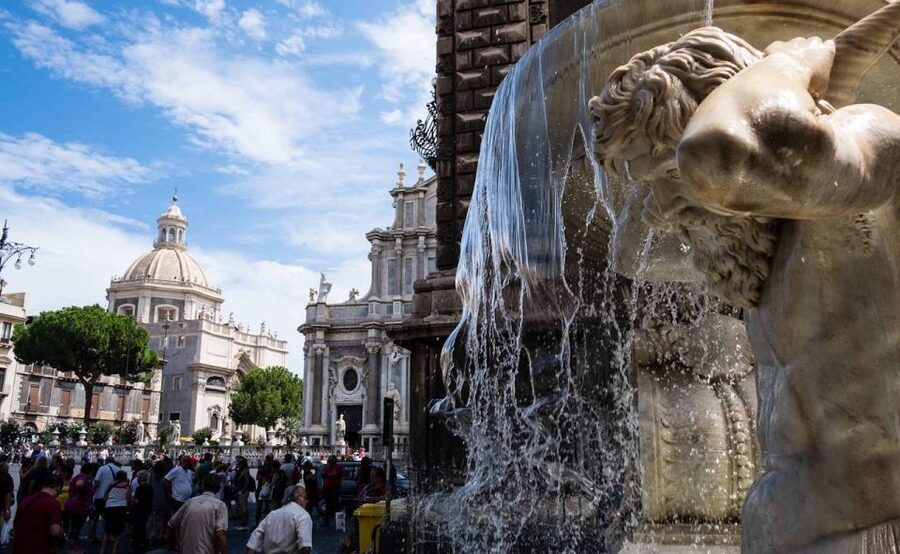
- Piazza del Duomo’s Cathedral Dome and the Lava-Stone Look of Catania
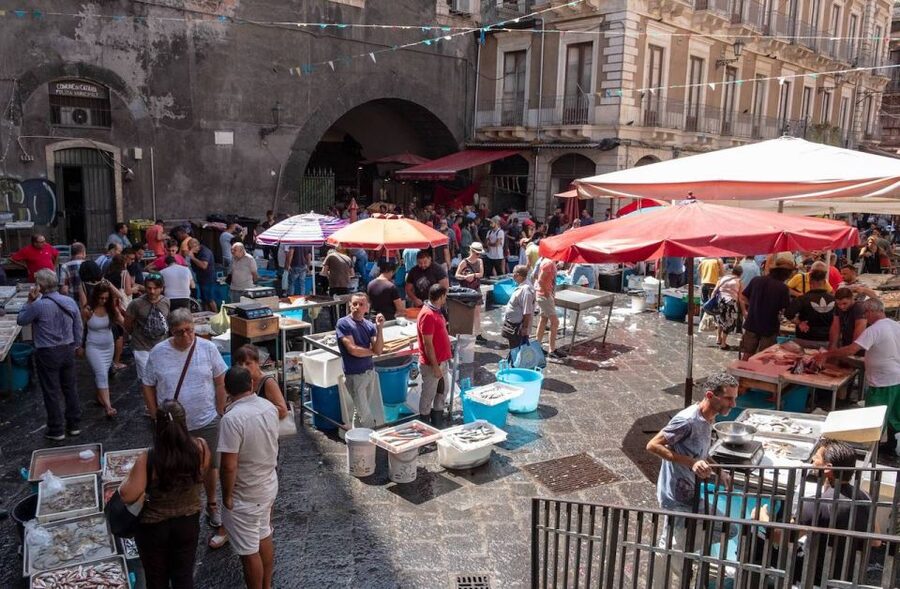
- Pescheria Fish Market: The Sights, Smells, and What the Guide Helps You Notice
- What you might eat (and why it fits here)
- Crociferi Street: San Benedetto and San Giuliano in Late Baroque Detail
- Timing tip for your photos
- Via Etnea’s Ruins and Street Scene: History You Can Shop In
- Piazza dell’Università and the Walk Back to Via Erasmo Merletta
- Price and Value: When $29 Makes Sense in Catania
- Who This Tour Fits Best (and Who Might Prefer Something Else)
- Practical Stuff: Shoes, Weather, and Sunday Market Reality
- Should You Book This Catania Highlights Tour?
- FAQ
- How long is the Catania City Highlights Tour?
- What is included in the tour price?
- Where do I meet the guide?
- What sights does the tour cover?
- What languages are offered for the live guide?
- Is the fish market open every day?
Key Things I’d Watch For
- Elephant Statue meeting point keeps the tour easy to find in the busiest core
- Lava-rock Baroque shows up everywhere, and the guide helps you spot the pattern
- Pescheria fish market focus gives context for the sights and the smells
- Crociferi Street churches highlights San Benedetto and San Giuliano’s Baroque details
- Via Etnea finish pairs historic ruins with real-world street life and shopping
Meeting by the Elephant Statue, Then Getting Oriented Fast
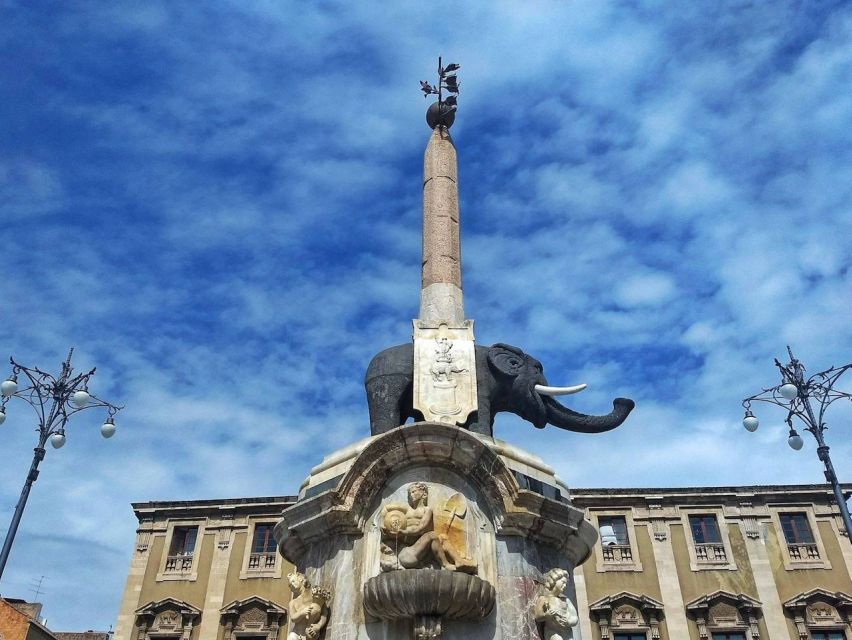
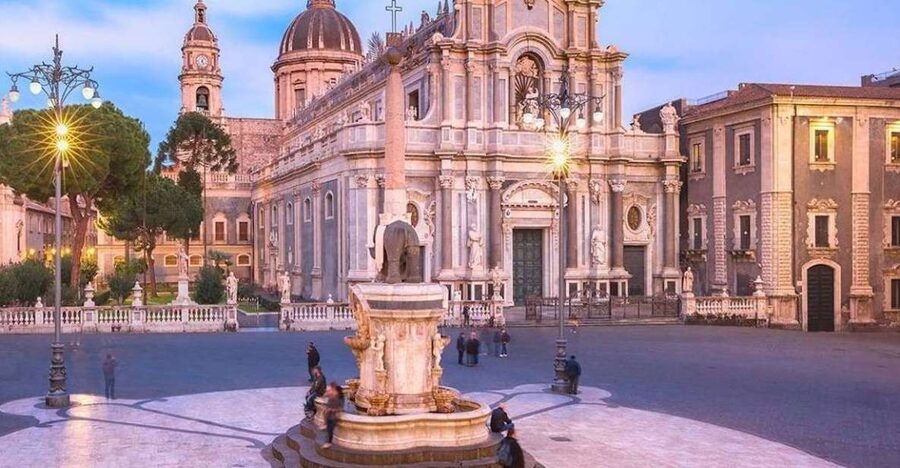
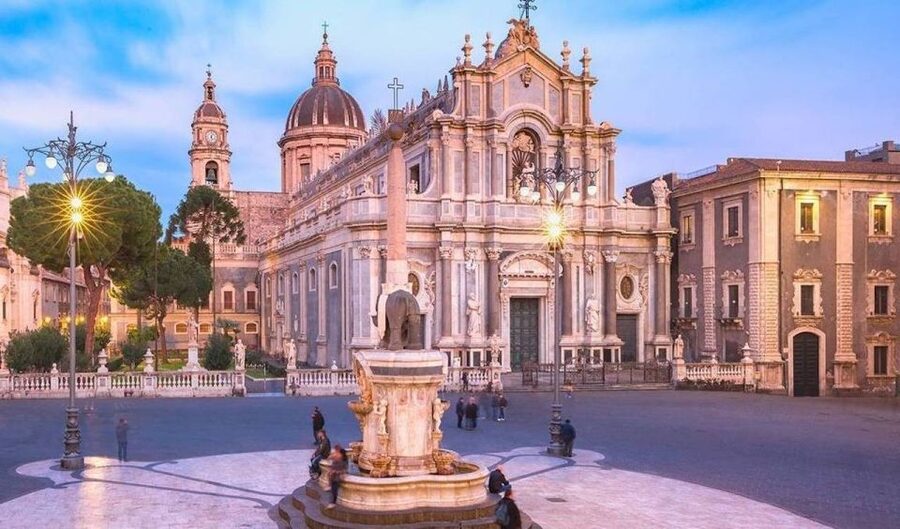
You start where the locals do: at the corner between Via Erasmo Merletta and Via Vittorio Emanuele II, in the Piazza del Duomo area. It’s a smart choice because you get instant orientation in Catania’s core, with the Elephant Statue as a clear landmark. If you’re the type who likes to understand a place in walking order, this start helps.
The guide’s first stretch is about setting the stage—what Catania used to be, what it became, and why the architecture looks the way it does. I like this approach because it means you aren’t just collecting photos. You’re building a mental map as you walk, so the streets start making sense.
More of baroque Catania on foot, from Via Etnea to the Duomo.
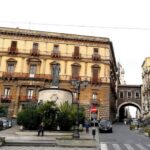
Piazza del Duomo’s Cathedral Dome and the Lava-Stone Look of Catania
From the Duomo area, the tour shifts into the city’s “signature material” story: lava stone. You’ll see how the dark rock affects churches and late Baroque palaces, shaping the look of facades and the way sunlight hits the stone. Even if you’re not a history buff, that’s the kind of visual clue you can’t unsee once someone points it out.
You’ll also get time to marvel at the cathedral’s stunning dome in Piazza del Duomo. That stop works well because it’s brief but meaningful: you’re given a focus point, then you move on rather than lingering while the group drifts apart.
Pescheria Fish Market: The Sights, Smells, and What the Guide Helps You Notice
The heart of the experience is Pescheria, Catania’s historic fish market. You’ll spend about 30 minutes here with a guide, and this is where the tour earns its reputation as more than a sightseeing shuffle. The guide helps you read the market like a living place, not just a tourist photo stop.
You’ll take in the lively stalls, the constant movement, and the strong sensory character of the area. If you’re curious about Sicilian food culture, this is one of the best moments of the day because it’s not presented as a lecture. It’s tied to what’s in front of you—fish shops, vendors, and the overall energy of the market streets.
A note to keep you comfortable: the market stop can run information-heavy, and the food areas may feel sales-oriented. If you want a lighter, freer walk (or you’re watching your budget), you can still enjoy it by focusing on observation—what different stalls look like, how the vendors operate, and what people are choosing.
What you might eat (and why it fits here)
You’ll have the option to purchase classic Sicilian treats as the tour goes along, like arancino (rice arancini) and Sicilian cannoli. I like having this built in because you’re tasting while the context is fresh. You’re not hunting for food afterward with a blurry memory of what you saw.
Crociferi Street: San Benedetto and San Giuliano in Late Baroque Detail
Next comes Via Crociferi, one of the best corridors for Baroque architecture in the city. The walking pace stays manageable, and the guide uses the street itself like a timeline—first explaining what makes this stretch special, then pointing out specific churches along the way.
You’ll pass by and learn about San Benedetto and San Giuliano, with the latter highlighted as a stunning example of Catania Baroque. This is the section where you’ll start noticing details on your own: ornamentation, the play of light on stone, and how the facades communicate wealth and devotion at the same time.
What makes this stop valuable is that it connects design to place. Lava rock isn’t just “a material”; it becomes part of how the city tells its story after repeated upheavals. You get a clear visual takeaway, and you can remember it later when you see similar styles elsewhere in Sicily.
More Catania days out with a local guide.



Timing tip for your photos
Crociferi Street can get busy, so if you’re taking pictures, aim to pause after the guide finishes a point. That’s when you’ll get a better shot before the group naturally moves on.
Via Etnea’s Ruins and Street Scene: History You Can Shop In
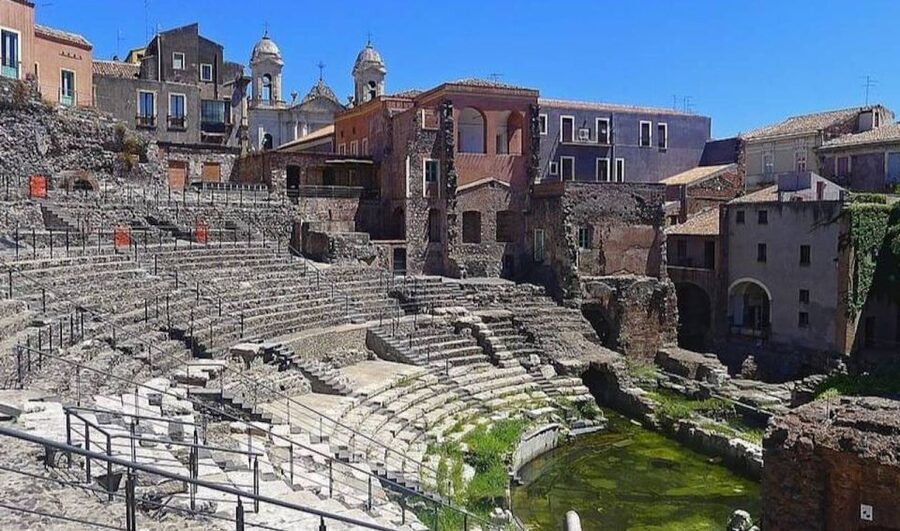
The tour then transitions toward Via Etnea, where you’ll see ruins and historical buildings alongside real-life street energy. You’re not just walking through “old scenery.” You’re walking in a living neighborhood where commerce and daily movement keep going.
This part works particularly well if you want a blend: architecture and history on one end, shopping and casual street life on the other. The guide also helps you connect what you’re looking at to Catania’s broader story, so the ruins feel less random.
It’s a good moment to buy a snack if you didn’t at Pescheria, or to do a quick browse if you’re already thinking about souvenirs. I find this “last stretch” helps the tour feel useful, not just decorative.
Piazza dell’Università and the Walk Back to Via Erasmo Merletta
You’ll also stop at Piazza dell’Università, Catania, giving you another anchor in the city’s center. This isn’t just a pass-through. It gives you a second orientation point before the tour winds down.
Finally, you arrive back at Via Erasmo Merletta, 3. I like ending here because it’s close to where you started, which keeps the day from feeling like a one-way march. When your route loops back to a similar area, it’s easier to plan your next step—coffee, a longer meal, or another short wander on your own.
Price and Value: When $29 Makes Sense in Catania
At $29 per person for about two hours, this tour is priced like a “high-value orientation walk,” not a full museum day. That matters because your money goes into interpretation: you’re paying for a guide to explain the lava-stone look, point out the key churches on Crociferi, and give you context at Pescheria.
If you like independent walking but don’t want to spend time figuring out what to look for, this is a strong use of time. The stops are concentrated, and the guide’s job is to help you turn street scenes into something you understand.
Where it might feel less perfect is if you already know the city well or if you strongly prefer short stops with minimal explanation at food markets. The market segment is the most talk-heavy part for some people, and that’s also the part that’s most sensitive to personal taste.
Who This Tour Fits Best (and Who Might Prefer Something Else)
I’d recommend this for you if:
- You want a short, guided way to understand Catania’s center without planning a route from scratch
- You’re interested in late Baroque architecture, especially the way lava rock changes the look
- You’d enjoy seeing Pescheria as a real market, not a staged attraction
You might want to choose differently if:
- You don’t enjoy markets with a lot of guide-led commentary
- You prefer longer monument visits or museum time over street-level walking
- You need very quiet stops, since the city center and market area can be lively
As for the guides, the tour experience has been described as well paced and story-focused—names like Ester and Tatiana come up for their engaging approach and timing. That’s a good sign for the kind of energy you can expect from the guiding style.
Practical Stuff: Shoes, Weather, and Sunday Market Reality
Bring comfortable shoes. You’ll be on city streets for the full two hours, including uneven sidewalks near older neighborhoods. Also bring water and something for the weather, since you’ll be outside for most of the route. A camera helps, especially for the dome area and the Baroque details along Crociferi.
One more practical heads-up: the fish market shop area is closed on Sundays, so your Pescheria experience may feel different that day. If you’re visiting on a Sunday and Pescheria is your main goal, consider that change.
Should You Book This Catania Highlights Tour?
Yes, I think you should book it if you want a well-paced introduction to Catania’s defining sights in just two hours—especially the combination of Duomo area orientation, Pescheria context, Crociferi churches, and a walk toward Via Etnea’s ruins and shopping.
Skip or rethink it if you’re sensitive to sales-y energy at food stalls or you prefer shorter, less guided time at markets. For most people, though, it’s a straightforward way to get the big ideas and the best visuals without turning your day into an endless maze of decision-making.
FAQ
How long is the Catania City Highlights Tour?
It lasts 2 hours.
What is included in the tour price?
The tour includes a multilingual escort/guide. Entrance fees to monuments, museums, and similar sites are not included.
Where do I meet the guide?
Meet at the corner between Via Erasmo Merletta and Via Vittorio Emanuele II.
What sights does the tour cover?
You’ll see Piazza del Duomo (including the cathedral dome), the historic fish market area (Pescheria), Via Crociferi with churches such as San Benedetto and San Giuliano, and finish around Via Etnea and nearby central areas including Piazza dell’Università.
What languages are offered for the live guide?
The tour has live guide options in English and Italian.
Is the fish market open every day?
The fish shop is closed on Sundays, so that part of the experience may be different on that day.
More Tours in Catania






More Tour Reviews in Catania

More Catania Old Town Walks

After something different? More tours and day trips around Catania and eastern Sicily








Catania Old Town Walking Tours, compared.
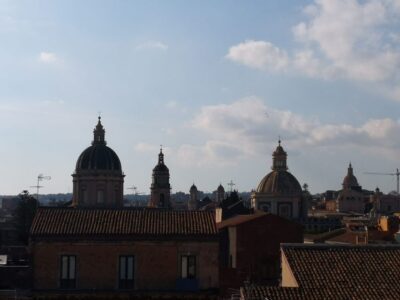 ★ 4.6Heart of the City Guided Walking TourFrom $23708 reviews
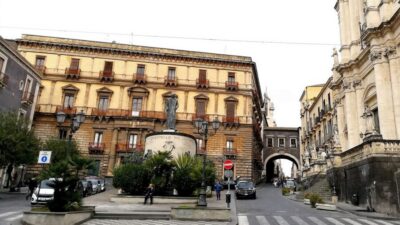 ★ 4.7City Highlights Walking TourFrom $14666 reviews
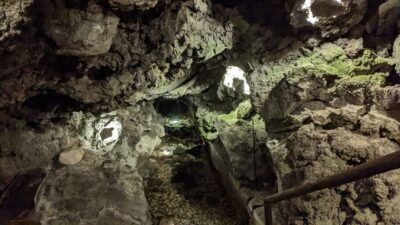 ★ 4.6Underground Catania Tickets and Guided TourFrom $29536 reviews
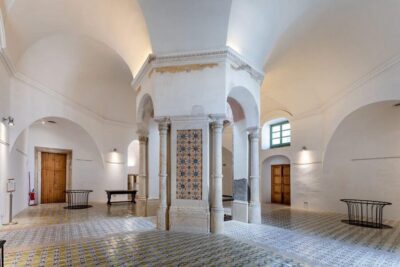 ★ 4.8Benedictine Monastery of Catania – English Guided TourFrom $11434 reviews
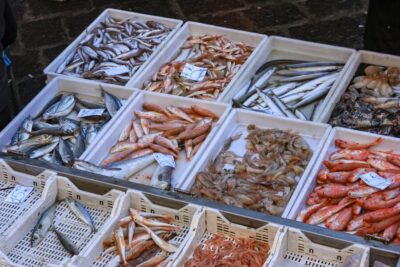 ★ 4.9Street Food Guided Walking TourFrom $56326 reviews
 ★ 4.7Guided Street Food Walking TourFrom $58300 reviews
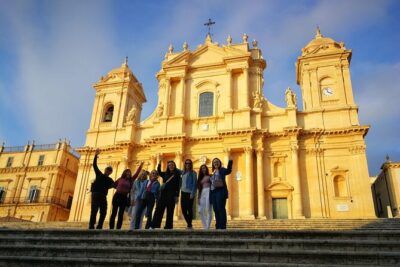 ★ 5.0Syracuse, Ortigia and Noto walking tour from CataniaFrom $129273 reviews
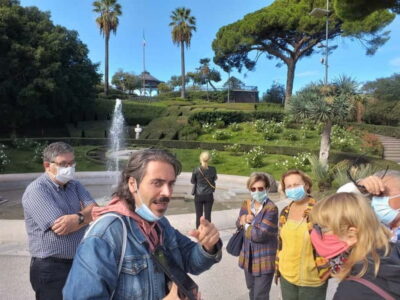 ★ 4.8The heart of the City – Tour guidato in ItalianoFrom $23171 reviews
Browse the lists this tour appears in