
Reviewed · BAROQUE TOWNS: NOTO, MODICA & RAGUSA
COLORS , FLAVORS and SMELLS IN THE SCENIC BAROQUE of SICILY
Smell is the secret guide here. This 2-day south Baroque Sicily trip links Marzamemi’s Arabic-flavored seaside heritage with an olfactory experience in Scicli, then finishes in Modica with the craft of traditional chocolate. I especially like how the day is built around real food stops (starting with a local fish lunch by the sea) and how the tour treats scent like a storytelling tool, not a gimmick.
One thing to keep in mind: you’ll spend a fair amount of time on the road and doing guided walking in small towns, so plan for a moderate day of moving. Also, entrance fees for monuments aren’t included, so you may want a little extra cash if you’re hoping to go inside.
In This Review
- What Makes This Tour Different (and Worth Your Time)
- Price and Logistics: What You’re Really Paying For
- Starting in Catania at 9:00am: How the Tour Sets the Tone
- Day 1: Marzamemi’s Sea Walk, Old Trades, and Fish Lunch
- Portopalo di Capopassero: Time Feels Slower at Sicily’s Edge
- Day 2: Scicli, Carob Trees, and the Olfactory Journey
- Lunch and Tastings: A Sensory Break That Actually Feels Relevant
- Modica: Narrow Streets, Baroque Drama, and Traditional Chocolate
- What This Tour Feels Like in Real Life
- Practical Tips: Dress Code, Food Choices, and Comfort
- Who Should Book This Sicily Baroque and Senses Trip?
- Should You Book It? My Honest Take
- FAQ
- How long is the Colors, Flavors and Smells in the Scenic Baroque of Sicily tour?
- Where does the tour start, and what time?
- What meals are included?
- Is there a vegetarian option?
- Are monument entrance fees included?
- What exactly happens during the olfactory journey?
- Is this tour private or shared?
- Are drinks included, and what’s the minimum age?
- What is the cancellation policy for a full refund?
What Makes This Tour Different (and Worth Your Time)
- An olfactory journey in Scicli where you’re guided through unknown aromas and forgotten scents, with instructions, tastings, and aperitifs
- Marzamemi, Arabic-origin and still colorful with a sea-walk leading to a simple, local taverna lunch of fish
- Southeast Sicily at Portopalo di Capopassero for a slower, fishing-and-agriculture vibe at the border of sea and Africa
- UNESCO Baroque towns in the Val di Noto area: Scicli and Modica, both tied to the region’s famous late-Baroque rebuilding
- Chocolate you can watch being made in Modica, using traditional methods described as Aztec-rooted and old recipes
Price and Logistics: What You’re Really Paying For
At $1,388.18 per person (private tour, starting in Catania at 9:00am), the cost makes sense if you compare apples to apples: you’re not just buying “sightseeing.” You’re paying for round-trip transfers by air-conditioned minivan/private vehicle, a 4-star hotel overnight with breakfast, and multiple experiences that usually cost extra when booked separately.
The value is strongest if you want a guided route that connects the coast to the Baroque towns without you constantly changing plans. Included meals are also part of the math: there’s a fish lunch in Marzamemi, plus lunch on Day 2 as part of the Scicli olfactory stop and tasting event.
Do note what’s not covered: entrance fees to monuments. Also, the tour uses drivers/escorts who aren’t licensed as local monument guides, so if you have a strong urge to go deep into interior sites, you may still need to buy and manage those entry tickets yourself.
The baroque towns of Noto, Modica and Ragusa Ibla.
Starting in Catania at 9:00am: How the Tour Sets the Tone
You meet your driver escort at your chosen pickup location in Catania for a 9:00am start. From the first hour, the focus is on getting you out of the city and into the emotional rhythm of the region: sea air, side streets, food smells, and the Baroque towns’ late-afternoon glow.
This is a private tour, so it runs as your group’s pace instead of shoehorning you into a mass schedule. You also get hotel pickup and drop-off, plus pickup/drop-off from designated meeting points, which helps if you’re staying near the center but don’t want to coordinate taxis for every leg.
Day 1: Marzamemi’s Sea Walk, Old Trades, and Fish Lunch
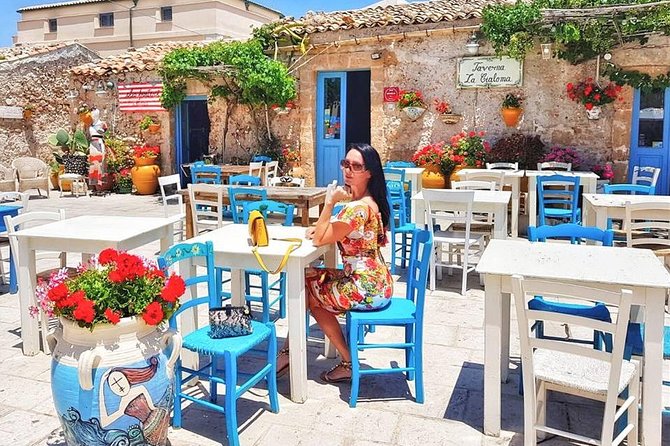
Marzamemi is the kind of place that makes you slow down without trying. The village is described as Arabic in origin, and the character is tied to how the community kept its original colors and shapes. You’ll get a guided walk plus an explanation of how fishing processing evolved through major cultures—Phoenicians, Greeks, Romans, and Arabs—so the place feels more lived-in than just pretty.
Then comes one of the best parts of the day: after walking along the sea, you’ll reach a small taverna for a delicious lunch of local fish right in front of the water. This is the moment where the tour’s theme makes sense. You’re not just being shown a coast—you’re tasting it.
After lunch, you’ll head south on the road toward the southeast corner of Sicily, where the air shifts and the pace feels different. This stretch matters because it sets you up for the next stop: Portopalo feels remote even if you’re traveling by van.
Portopalo di Capopassero: Time Feels Slower at Sicily’s Edge
At Portopalo di Capopassero, you’re in Sicily’s southeast outpost—an area framed as a boundary between the Mediterranean and Africa. The tour describes the village as one where fishing and agriculture still drive daily life, and where time feels like it’s standing still.
This is a good stop if you want a Sicily that feels less “tour brochure” and more working coast. It’s also practical: it’s a natural reset between the morning’s seaside village and the evening hotel stay.
From Portopalo, you continue on to your base for the night—Ragusa or Modica—and check into a charming 4-star hotel. Dinner is on your own that night, which I like because it lets you choose what fits your mood after a full day of driving and walking.
Day 2: Scicli, Carob Trees, and the Olfactory Journey
Day 2 starts with a driver escort, and the route shifts into rolling countryside. You’ll pass rocks and giant carob trees, which signals you’re moving away from beaches and into the land that feeds the Baroque towns above.
Scicli is next, and it’s tied to the region’s UNESCO World Heritage reputation as part of the Val di Noto Baroque experience. The tour calls out the late-Baroque buildings as what makes the city unique, and you’ll feel that right away as you move around the streets and architecture rather than viewing it from one fixed viewpoint.
Then comes the signature experience: the visit takes place in a nursery between Scicli and the sea, where you’re guided through an olfactory journey made of unknown aromas and forgotten scents. This isn’t just sniff-and-smile. The event includes instructions-for-use, recipes, tastings, and aperitifs, served in an event space created in a greenhouse. You’re meant to connect scent to food and memory, and that makes the whole Baroque theme more personal.




Lunch and Tastings: A Sensory Break That Actually Feels Relevant
After the olfactory portion, you’ll have lunch. This matters because it keeps the senses from becoming a separate activity. The tour is already training your attention—how smells travel, how they change with context—so lunch becomes part of the same learning thread instead of a random reset.
The practical side: you’ll get bottled water, and everything is scheduled so you don’t have to hunt for lunch while also trying to see the next town. That can save your energy on travel days, especially when you’re moving between small historic areas with limited parking.
Modica: Narrow Streets, Baroque Drama, and Traditional Chocolate
Next you head to Modica, another UNESCO-listed World Heritage town in the same Baroque orbit. Modica is described like an open-air museum: terraced narrow alleys, steep little lanes, and Baroque details that feel built into daily walking routes.
But Modica also needs to be smelled. The tour highlights how chocolatiers and cake shops bake local specialties, and how jasmine can wrap the air on summer nights. Even if jasmine isn’t in bloom when you go, the idea is consistent: Modica’s food culture is active, not frozen in time.
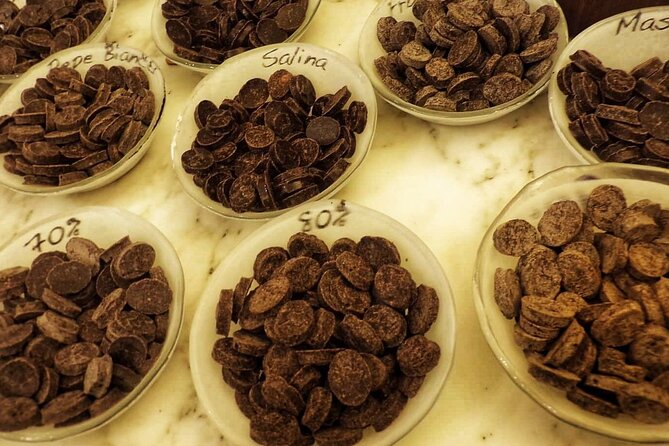
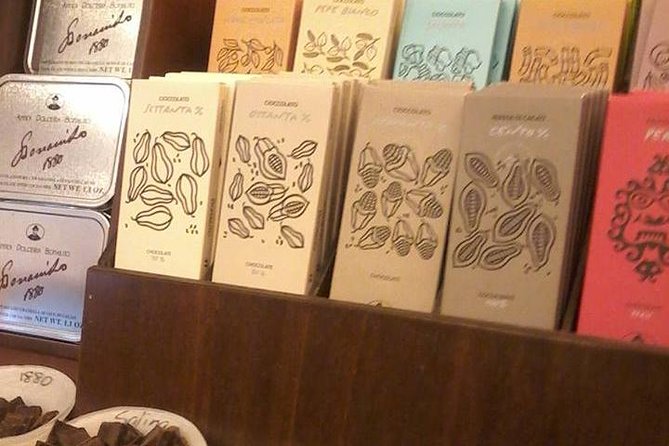
The chocolate story is central. You can enjoy the tradition described as based on Aztec methods and old recipes, and if you’re a real chocoholic, you can watch chocolatiers at work. That viewing element is valuable because it turns chocolate from a souvenir into a craft with rhythm: ingredients, timing, and technique.
After the chocolate visit and tasting, your services end. You can also add other excursions from the list, including Syracuse and Noto or Taormina, or even a transfer tour to west Sicily.
What This Tour Feels Like in Real Life
This isn’t a “run from photo spot to photo spot” itinerary. The pacing is built around stopping points that connect visually and through scent: sea village, remote coast, Baroque towns, then chocolate-making. It’s a smart approach if you like travel that builds mood as much as it builds checkmarks.
I also appreciate the way the tour mixes guided explanation with hands-on sensory experiences. The Marzamemi talk about fish processing through different civilizations makes the coastal lunch feel earned. Then Scicli’s aroma lesson makes Modica’s chocolate smell feel like part of the same Sicily thread.
On the ground, expect you’ll be doing some walking in historic areas and moving between towns by vehicle. The tour says you should have moderate physical fitness, so if you know you tire quickly on uneven pavement, it’s worth packing breaks into your plan.
Practical Tips: Dress Code, Food Choices, and Comfort
The dress code is formal or smart casual. That sounds strict, but in practice it means you’ll feel better if you skip gym wear, especially if dinner is near your base hotel area and you plan to step into a nicer place.
Food-wise, the tour includes a fish lunch and other meals, and it says a vegetarian option is available if you ask at booking. Do that early. It’s the easiest way to avoid last-minute substitutions that don’t match what you actually wanted.
You also get a minimum drinking age of 18, and the Scicli event includes aperitifs. If you’re traveling with mixed ages, this matters for planning who can participate in that part of the tasting time.
Who Should Book This Sicily Baroque and Senses Trip?
This tour is a great fit if you want:
- Scenic south Baroque Sicily with UNESCO towns you can actually walk through
- a food-focused route that includes fish lunch and Modica chocolate
- a more memorable experience through smell-based tasting rather than only architecture tours
It’s also a solid choice for couples or small groups who prefer private guiding and a set schedule. You’ll enjoy it even more if you like texture and craft—fish processing traditions, greenhouse tastings, and watching chocolate makers work.
If you’re mainly chasing big-name ruins and monuments with lots of interior entrances, you may find the included “monument experience” level limited since entrance fees aren’t included and the drivers are not licensed monument guides.
Should You Book It? My Honest Take
I’d book this tour if you’re excited by how Sicily tastes and smells, not just how it looks. The pairing of Marzamemi’s seafood tradition, Portopalo’s slower coast, Scicli’s olfactory journey, and Modica’s chocolate craft creates a route that feels coherent.
Skip it if you want a heavy-duty, monument-entry day where everything is fully ticketed inside. Also think twice if you’re sensitive to a long driving day and steady walking, since the tour balances road time with town stops.
If your idea of a great trip is simple: good guidance, good meals, and experiences you can’t easily copy at home, this one is worth your attention.
FAQ
How long is the Colors, Flavors and Smells in the Scenic Baroque of Sicily tour?
It runs about 2 to 3 days, with a two-day structure described: Marzamemi and Portopalo on Day 1, then Scicli and Modica on Day 2.
Where does the tour start, and what time?
The tour starts in Catania, Province of Catania, Sicily, with a 9:00am meeting time at your pickup location.
What meals are included?
You get a fish lunch in Marzamemi and lunch on Day 2. Breakfast is included with your overnight stay, and bottled water is provided.
Is there a vegetarian option?
Yes. A vegetarian option is available, and you should request it at the time of booking.
Are monument entrance fees included?
No. Entrance fees to monuments are not included.
What exactly happens during the olfactory journey?
In Scicli, you’ll be guided through an olfactory journey with unknown aromas and forgotten scents, with instructions-for-use, recipes, tastings, and aperitifs in an event space created in a greenhouse/nursery setting.
Is this tour private or shared?
It’s private. Only your group participates, and it requires a minimum of 2 people per booking.
Are drinks included, and what’s the minimum age?
The Scicli experience includes aperitifs, and the minimum drinking age is 18.
What is the cancellation policy for a full refund?
You can cancel up to 6 days in advance for a full refund (you must cancel at least 6 full days before the experience’s start time).
More Tour Reviews in Catania
More Baroque Noto, Modica and Ragusa
After something different? More tours and day trips around Catania and eastern Sicily







Baroque Towns: Noto, Modica & Ragusa, compared.
 ★ 4.6Syracuse, Ortigia, and Noto Tour with BrunchFrom $112404 reviews
 ★ 5.0Syracuse, Ortigia and Noto walking tour from CataniaFrom $129273 reviews
 ★ 4.7From Catania: Neapolis of Syracuse, Ortygia, and Noto TourFrom $130234 reviews
 ★ 4.4From Catania: Syracuse and Noto Culture and History TourFrom $80232 reviews
 ★ 3.9From Catania: Syracuse, Ortygia, and Noto Tour140 reviews
 ★ 4.8Noto, Modica and Ragusa: The Baroque Tour from CataniaFrom $124133 reviews
 ★ 4.7From Catania: Syracuse, Ortigia and Noto Full-Day TourFrom $113133 reviews
 ★ 4.4Noto, Modica and Ragusa Ibla Baroque TourFrom $101106 reviews
Browse the lists this tour appears in