
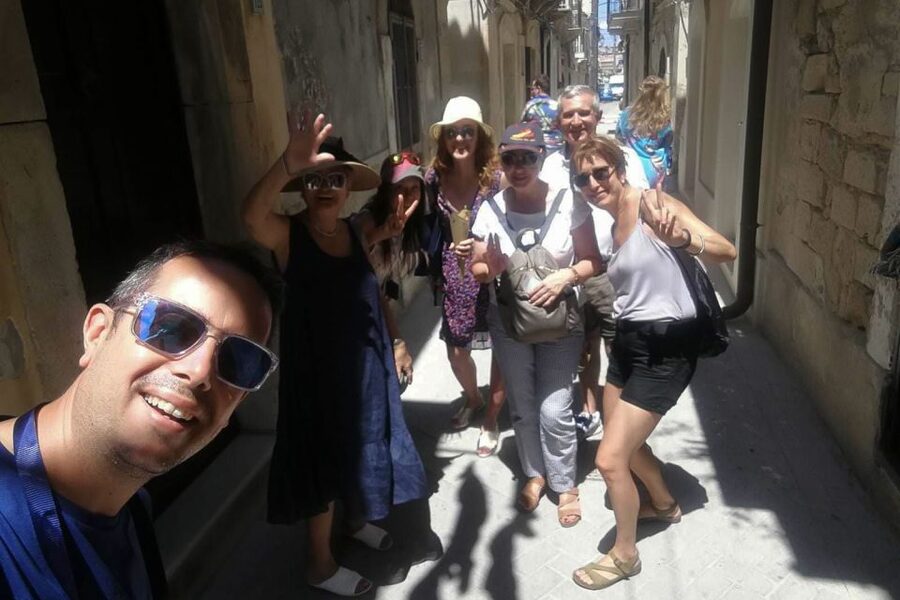
Reviewed · SYRACUSE, ORTIGIA & NOTO DAY TRIPS
From Catania: Neapolis of Syracuse, Ortygia, and Noto Tour
A day in Syracuse is like opening a time capsule. You’ll bounce from the UNESCO ruins of Neapolis to the island streets of Ortigia, then end in Noto’s Sicilian Baroque “stone garden.” Two things I especially love: the sheer scale of the Greek Theatre and its cavea, and the way Ortygia’s center makes you feel like you’re walking through layers of centuries. One drawback to consider: it’s a long, packed day, and you’ll be on your feet for a lot of it, with only limited time in each main area.
The best part is how the day is paced. Neapolis is mostly self-guided, so you can linger at what grabs you—like the latomie and the limestone Ear of Dionysius—without being herded from one stop to the next. Then Noto gets a more structured guided walk, which helps you read the architecture instead of just admiring it.
The other thing to watch is that some practical details can vary. In the real world, the Roman amphitheatre area can be affected by maintenance, and a few guests have noted the van setup doesn’t always make the guide super easy to hear on the road—especially over cobblestones.
In This Review
- Key Highlights Worth Marking On Your Mental Map
- Syracuse in One Day: What This Route Really Covers
- Greek Theatre and Roman Streets at Neapolis Archaeological Park
- Neapolis Self-Guided Time: How to Get More in 60 Minutes
- Ortigia Island Walk: Arethusa Fountain and Piazza del Duomo
- Noto’s Corso Vittorio Emanuele: The “Stone Garden” Effect
- Guides and Small-Group Comfort: Where This Tour Wins
- Price and Value for About $130: What You’re Paying For
- Timing, Shoes, and Lunch: Small Choices That Save the Day
- Who Should Book This Syracuse–Ortigia–Noto Tour
- Should You Book It?
- FAQ
- What is the duration of the tour?
- Is hotel pickup included?
- Is lunch included in the price?
- Do I need to pay for Neapolis Archaeological Park entry?
- What languages are the guides offered in?
- Is the tour suitable for mobility impairments?
Key Highlights Worth Marking On Your Mental Map
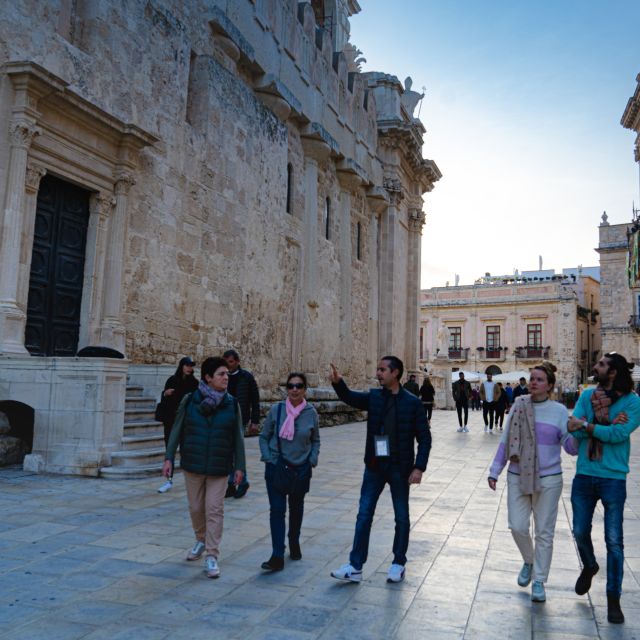
- Neapolis’ Greek Theatre cavea: one of the largest ever built by ancient Greeks
- Latomie and the Ear of Dionysius: a limestone cave experience you remember
- Ortigia’s walkable historic heart: Greek temples, church squares, and old streets in one compact area
- Arethusa Fountain + Piazza del Duomo: a strong combo for photos and people-watching
- Noto’s Corso Vittorio Emanuele: the “Stone Garden” feel comes from clustered palaces and churches
- Small group (max 8): easier navigation and more room for questions than big tours
Syracuse in One Day: What This Route Really Covers
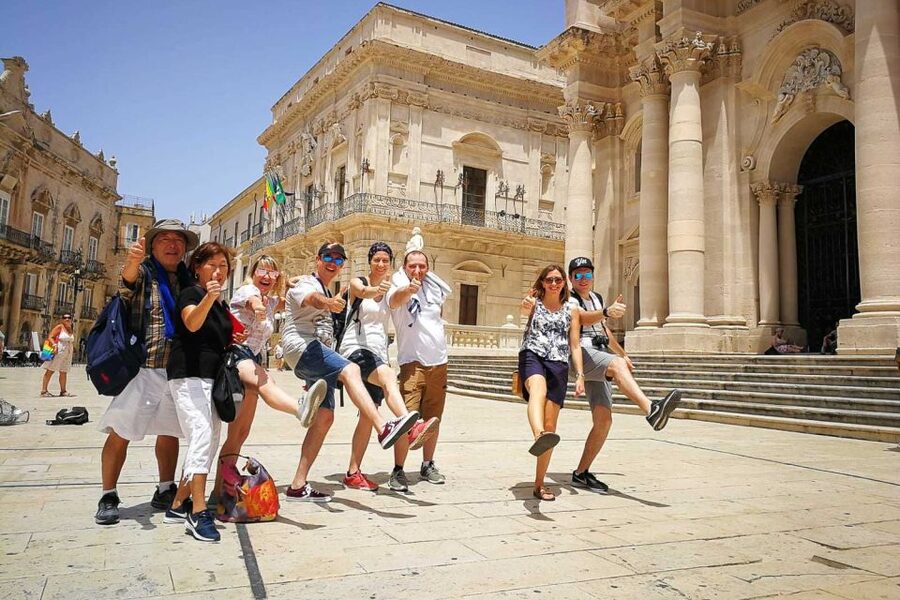
This is the kind of tour that works because it targets the three most “readable” parts of Syracuse: Neapolis (the monumental archaeological zone), Ortigia (the old core on the island), and Noto (the baroque sister city that looks like it was sculpted in stone). The order matters. You start with travel from Catania, then you hit Noto, and only later do you step into Neapolis and the island.
The value here is not just ticking off famous names. It’s the contrast. Neapolis shows the big, formal world—Greek Theatre massing over the valley, Roman structures layering on top, and the latomie’s stark rock-cut spaces. Ortigia feels the opposite: tighter streets, church squares, and the Arethusa fountain as a recurring visual anchor. Then Noto flips the mood again with dramatic baroque facades and an open-air “museum” effect along Corso Vittorio Emanuele.
If you’re someone who likes history with good pacing, this setup is a win. And yes, it’s a full day—so you’ll want to manage your energy like a local: comfortable shoes, water-ready mindset, and a plan for lunch when you’re at Ortigia or Noto.
South to Syracuse, the island of Ortigia and golden Noto.

Greek Theatre and Roman Streets at Neapolis Archaeological Park
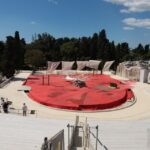
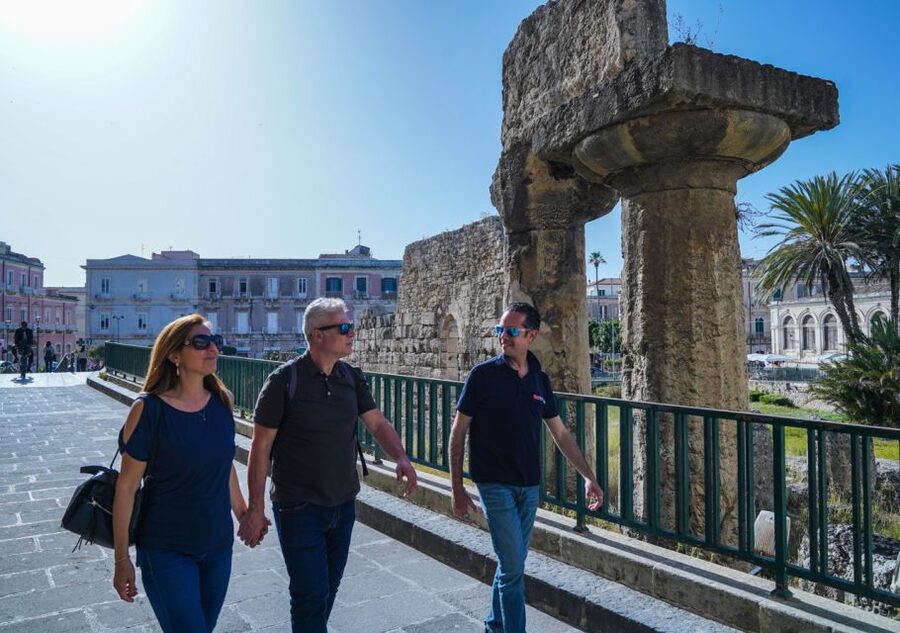
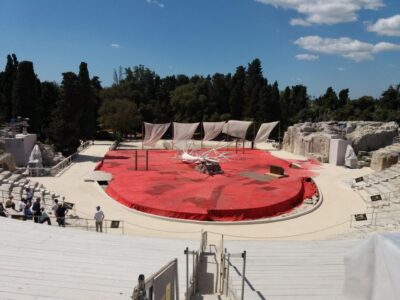
Neapolis is where Syracuse’s ancient identity shows up at full volume. Expect to walk among Greek and Roman monuments that sit inside a UNESCO-listed archaeological zone. The big-ticket feature is the Greek Theatre, especially its cavea—often described as the largest cavea ever built by the ancient Greeks. Even if you don’t memorize dates, you’ll feel the scale. It’s one of those sites where your body naturally slows down because the sightlines are so strong.
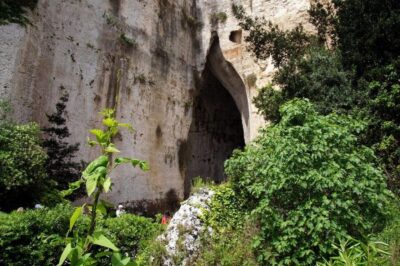
Right near the theatre you’ll find the latomie, including the limestone cave known as the Ear of Dionysius. This is one of those stops that makes history feel physical. Instead of reading about quarrying or stonework, you’re standing near the kind of rock formation that shaped how this city lived and built.
You also pass through or near reminders of later layers of life, including the Christian Church of San Nicolò ai Cordari and the Roman imperial-age amphitheatre. The effect is the fun part: you can see how Syracuse kept reinventing itself. Greeks build monumental form. Romans refine and reuse spaces. Later Christians add their own spiritual landmarks. The city’s story isn’t one era. It’s an ongoing project.
One practical note: you’ll spend about an hour in Neapolis. That’s enough for key highlights, but not enough to feel like you’ve “finished” the entire park. Choose your must-sees, then let the rest be bonus finds.
Neapolis Self-Guided Time: How to Get More in 60 Minutes
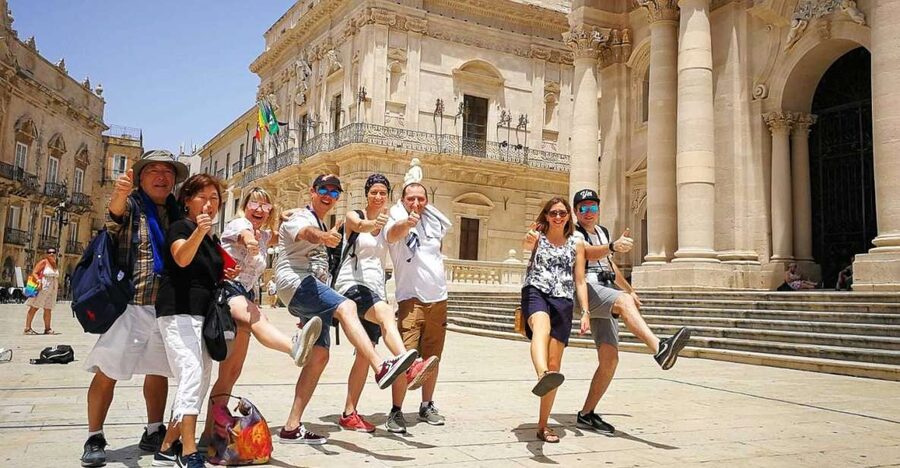
Because Neapolis is self-guided (your park entry ticket is included, but the park itself is not guided), you should use your time like a smart shopper: pick a path, don’t wander randomly.
Here’s a simple approach that tends to work:
- Start with the Greek Theatre area first, while you still have energy for the biggest views.
- Then head toward the latomie and look specifically for the Ear of Dionysius spot.
- Use the area around the theatre and nearby streets to spot the old Roman pathways and structures.
- If something feels closed or inaccessible, don’t burn time—pivot. The park layout can be a little confusing, and you’ll thank yourself later when you’re on Ortigia.
A few guests have mentioned the Roman amphitheatre can be closed for maintenance on some days. When that happens, you’ll still get plenty of value from the theatre and latomie areas. Just don’t treat the amphitheatre as guaranteed.
Also, self-guided doesn’t mean you’re on your own. Your tour leader can point you to the best sequence, and you can ask questions during the walk breaks. If you’re the type who wants context while you look, lean on that. Ask what you’re standing in front of before you move on.
Ortigia Island Walk: Arethusa Fountain and Piazza del Duomo
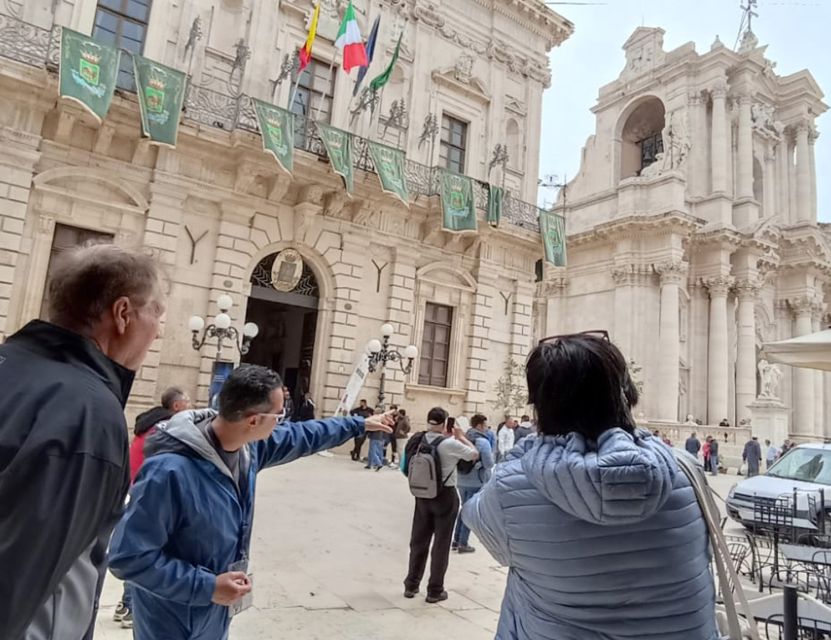
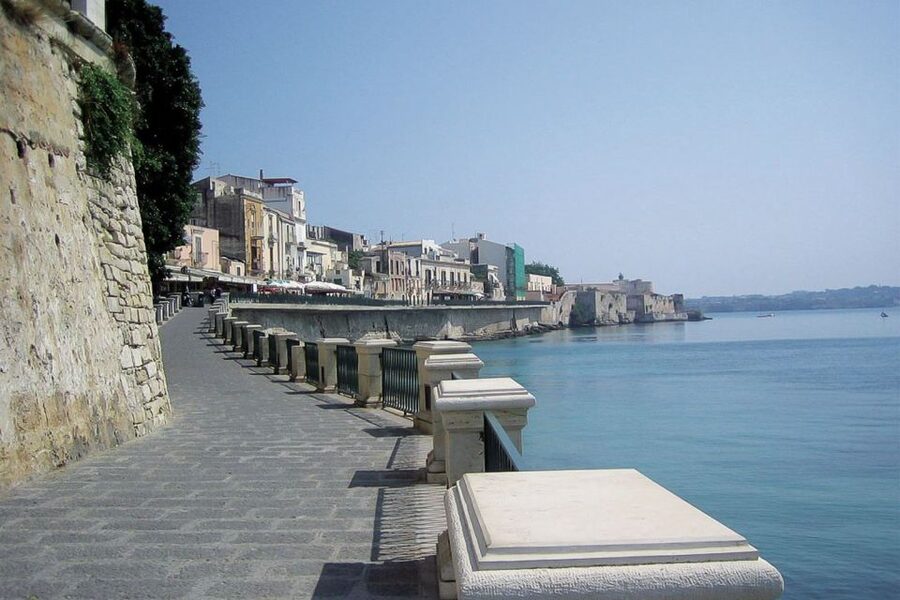
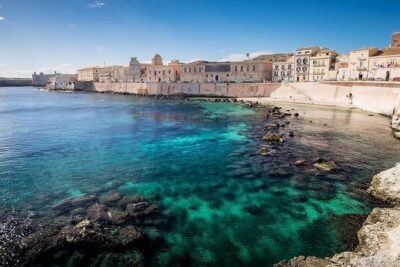
Ortigia is the part of the day that turns “ancient ruins” into “place you can enjoy.” This is Syracuse’s historic heart, separated from the mainland by a narrow channel. You’ll see a mix of Greek temples, Christian churches, and Arabian streets, which is exactly why Ortigia feels different from the open archaeological park.
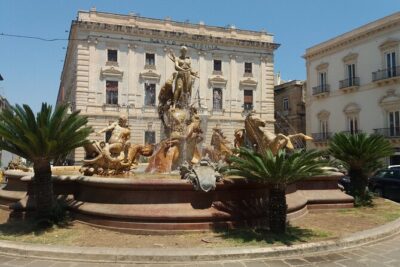
Your highlights here include the Arethusa fountain, which is one of those landmark spots people come back to again and again. Even if you’ve seen photos before, being there in person does something. It’s a visual rest point in a city that’s full of moving angles and stone surfaces.
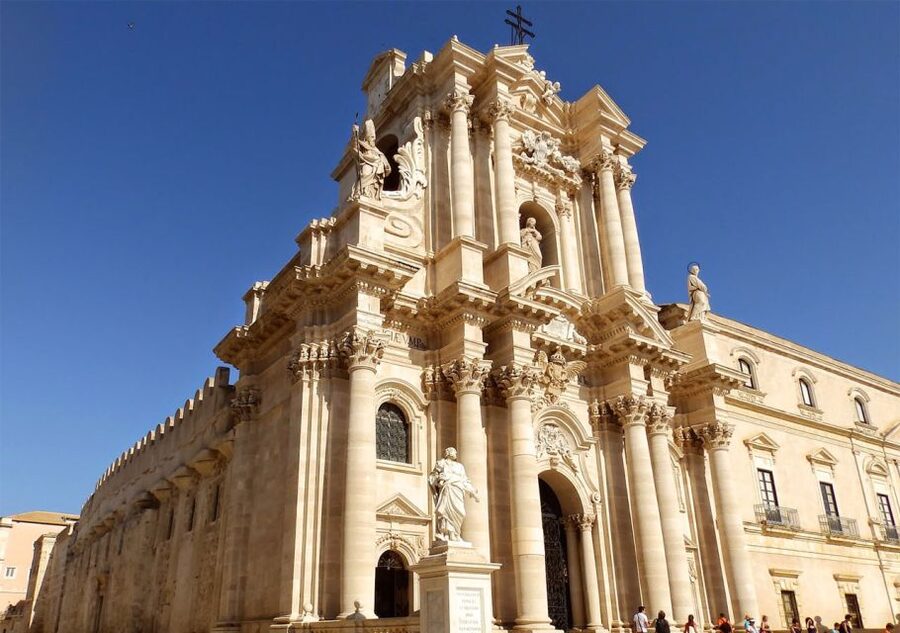
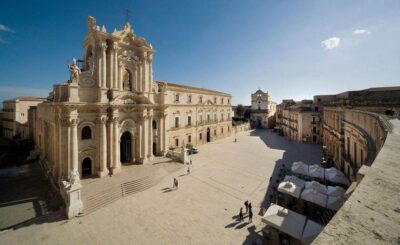
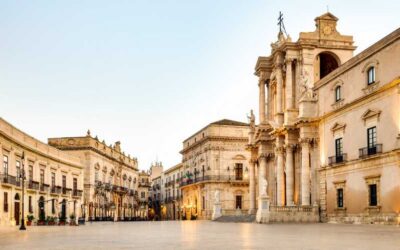
Then you’ll reach Piazza del Duomo, where the baroque palace facades cluster in a way that makes the square feel theatrical. Names you might hear include Palace Beneventano del Bosco and the Senate Palace. You don’t need to be a baroque expert to appreciate them. The shapes and details are doing the talking.
Time-wise, you’ll have about 1.5 hours on Ortigia. That’s enough for a focused walk: fountain to cathedral square to a few side streets. It’s not enough to do deep shopping or a long sit-down meal. If you want time for lunch (own expense), plan it so you’re not searching for places at the last minute.
And yes, this area can be a little weather-sensitive and crowd-sensitive depending on the day. If a thunderstorm rolls in near the end, it won’t erase the beauty—just bring a light layer and be ready to move fast between covered spots.
Noto’s Corso Vittorio Emanuele: The “Stone Garden” Effect
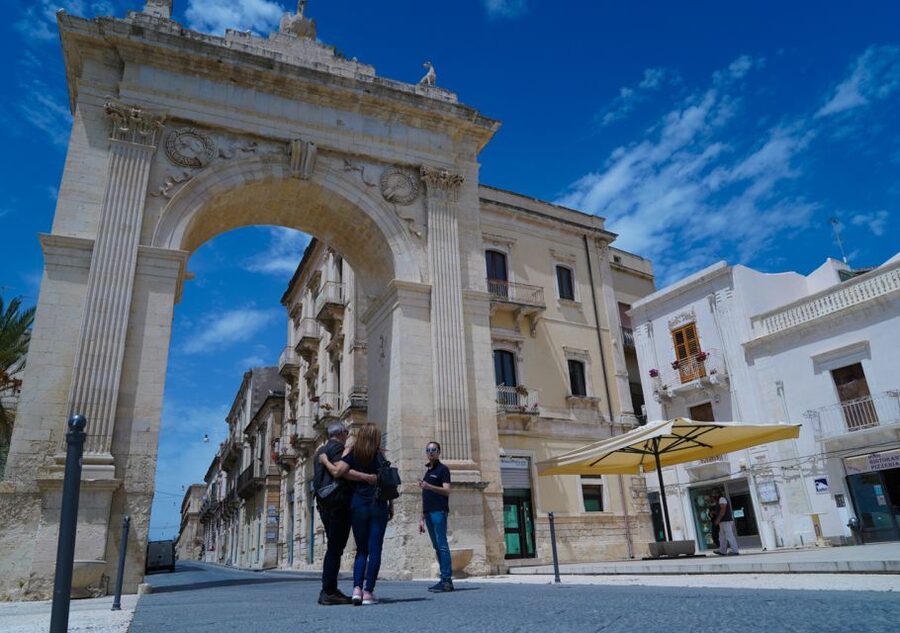
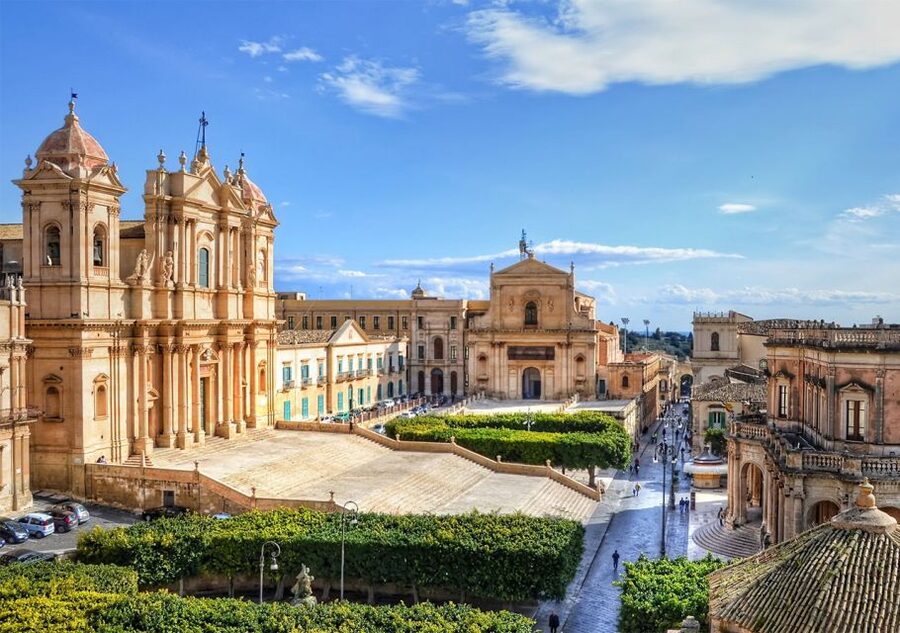
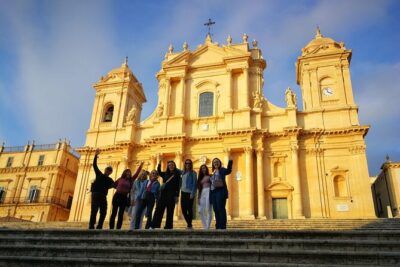
After seeing ancient Greece and Rome, Noto hits like a style shock. This small town is famous for Sicilian Baroque architecture, and it’s listed as a UNESCO World Heritage Site (since 2002). In practice, Noto feels like an open-air gallery where palaces and churches share the same spotlight.
A guided portion is included for Noto, lasting about 1.5 hours, and that’s a smart choice. Baroque can look like “pretty buildings” if you don’t know what you’re looking at. With a guide, you’ll pick up on what makes the facades and street rhythm feel so intentional.
You’ll likely walk along Corso Vittorio Emanuele, the main spine, and you’ll see how the buildings cluster into what’s often described as the Stone Garden. The “garden” part isn’t literal vegetation—it’s the idea that the streets feel like a curated space made of stone, light, and detail.
One caution: Noto can get crowded if there’s a local festival happening. A few guests mentioned festival conditions that reduced how much they could see at a relaxed pace. If that’s the day you go, treat it like a tradeoff: enjoy the atmosphere, but expect tighter navigation and less lingering.
If you’re deciding whether to prioritize photos or slower viewing in Noto, I’d lean toward slower viewing. The architecture works best when you let your eyes adjust and then look for patterns in doors, balconies, and the way buildings “frame” the street.
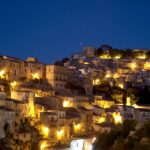
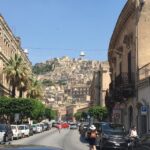
The baroque towns of Noto, Modica and Ragusa Ibla.



Guides and Small-Group Comfort: Where This Tour Wins
This is a small-group experience with a maximum of 8 participants, which matters more than you’d think. With fewer people, the tour leader can respond faster, the van time feels less chaotic, and you’re more likely to get your questions answered without feeling like you’re shouting over everyone.
Guide quality is consistently a highlight in the feedback, and you may meet different leaders depending on the departure. Names that come up include Nando, Lorena, Andrea, Salvo, Francesco, Franco, Floriana, and Salvatore. The common thread is that they explain the sites in a way that makes the day feel coherent—not just a sequence of stops.
Practical comfort also depends on the vehicle. One guest noted the van guide setup didn’t include microphones/speakers on their departure, making it harder to hear during driving over rougher surfaces. That’s not something you can control, but it’s why I recommend keeping your main “learning time” for the walks and site breaks, not the long road segments.
Also, pickup and drop-off is handled from hotels and B&Bs in Catania only, so you’ll want to confirm you’re within that area. If you’re staying just outside the city center, ask what the pickup point is—don’t assume.
Price and Value for About $130: What You’re Paying For
At around $130.28 per person, this tour feels priced for convenience and guided value where it matters most. Here’s what you’re getting:
- Hotel pickup and drop-off in Catania
- Transportation by shuttle bus
- A multilingual tour leader (Italian, English, Spanish)
- Neapolis archaeological park entry ticket
- A guided tour in Noto (while Neapolis remains self-guided)
- Small group size (max 8)
What you’re not getting:
- Food and drinks (lunch is own expense)
- A guided tour inside Neapolis (you’ll explore on your own)
So where does the money go? Mostly into reducing friction. Getting from Catania to multiple sites on your own—then finding timing, parking, and the right walking routes—can eat hours. You pay to make the day simple. Then you pay a little extra in flexibility by funding your own lunch.
To get your value, plan for how you’ll handle meals. One guest mentioned a very pricey restaurant choice in Syracuse, so I’d treat lunch as a chance to keep costs under control. Have a short list of what you want before you go looking.
Timing, Shoes, and Lunch: Small Choices That Save the Day
This is an 8 to 9 hour day. That’s long enough that small comfort issues can turn into big ones.
Start with shoes. Neapolis and Ortigia both involve uneven stone surfaces. You’ll walk more than you expect, especially if you stop for photos on the way to major viewpoints.
Next, clothing. Weather can change quickly in Sicily. Bring weather-appropriate clothing and something light you can throw on if it turns breezy. If you see a storm coming, Ortigia’s streets can be slick—so keep your pacing steady and keep your plans flexible.
For lunch, keep it simple. Lunch isn’t included, so you’re choosing between cost, speed, and atmosphere. If you’re hoping for a relaxed meal, remember that the tour schedule still requires you to return to the van on time. In other words: pick something efficient so you don’t feel rushed.
Finally, don’t overstuff your expectations. Neapolis is about key anchors (the theatre, latomie, and surrounding monument areas). Ortigia gives you a focused island walk. Noto gives you a guided-style architectural read. It’s not a “see everything” day, and it doesn’t try to be. If you show up with a short list of what you care about most, you’ll leave satisfied instead of tired.
Who Should Book This Syracuse–Ortigia–Noto Tour
I’d book this if you:
- Want big ancient sites plus a real baroque town in one day
- Like the mix of structured guide time (Noto) and independent exploration (Neapolis)
- Appreciate a small group size and clear logistics from Catania
- Are comfortable with a long day that includes walking on historic streets and park paths
I’d think twice if you:
- Have mobility limits (it’s not suitable for people with mobility impairments)
- Want a slow, no-rush museum pace (the timing between areas is tight)
- Need lots of guided explanation inside Neapolis, since that portion is self-guided
Should You Book It?
Yes, if your priority is a well-organized day that hits Neapolis (Greek Theatre + latomie/Ear of Dionysius), Ortigia (Arethusa fountain + Piazza del Duomo), and Noto (Sicilian Baroque along Corso Vittorio Emanuele) without you wrestling with transport. The price feels fair for what’s included—especially the pickup, shuttle, and Neapolis entry—while your own lunch keeps the day flexible.
If you’re sensitive to long days, just go in with the right mindset: wear good shoes, pick a few must-sees, and let the rest be bonus. With a strong guide (names like Nando, Lorena, Andrea, Salvo, and Franco show up in this tour’s pattern), you’ll get the “why it matters” that turns a list of monuments into a story you can actually follow.
FAQ
What is the duration of the tour?
The tour lasts about 8 to 9 hours (starting times vary by availability).
Is hotel pickup included?
Yes, hotel pickup and drop-off are included, but only for hotels and B&Bs in Catania.
Is lunch included in the price?
No. Food and drinks are not included, and lunch is at your own expense.
Do I need to pay for Neapolis Archaeological Park entry?
Neapolis entry is included. A guided tour inside Neapolis is not included, so you explore that part at your own pace.
What languages are the guides offered in?
The tour leader is available in Italian, English, and Spanish.
Is the tour suitable for mobility impairments?
No. It is not suitable for people with mobility impairments.
More Tour Reviews in Catania






More Baroque Noto, Modica and Ragusa
More Syracuse and Ortigia Days
After something different? More tours and day trips around Catania and eastern Sicily



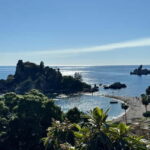

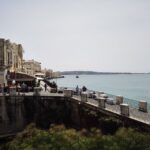



Syracuse, Ortigia & Noto Day Trips, compared.
 ★ 4.6Syracuse, Ortigia, and Noto Tour with BrunchFrom $112404 reviews
 ★ 5.0Syracuse, Ortigia and Noto walking tour from CataniaFrom $129273 reviews
 ★ 4.4From Catania: Syracuse and Noto Culture and History TourFrom $80232 reviews
 ★ 3.9From Catania: Syracuse, Ortygia, and Noto Tour140 reviews
 ★ 4.7From Catania: Syracuse, Ortigia and Noto Full-Day TourFrom $113133 reviews
 ★ 4.5Siracusa,Ortigia and Noto TourFrom $12082 reviews
 ★ 4.5Siracusa – Ortigia & Noto TourFrom $26471 reviews
 ★ 5.0Private Transfer from Catania Airport to Siracusa or TaorminaFrom $9449 reviews
Browse the lists this tour appears in