
Reviewed · CATANIA COOKING CLASSES WITH A LOCAL
Cooking Class with lunch or dinner
If you like real food you can make again, this is it. In Catania, you get a hands-on Mediterranean cooking class that ends with a meal, plus wine, in a small, focused kitchen setting.
I love that you cook island favorites right alongside the instructor, not just watch from the sidelines. I also love the range: savory starters, a sweet-and-sour-style main, and a cannolo finish. One thing to consider: you’ll want to come hungry, because the class is designed around a full lunch or dinner, not tiny samples.
This is a great fit if your ideal travel day includes getting your hands messy and leaving with a repeatable menu. If you hate being in a working kitchen for a full three hours, you may find it more active than expected.
In This Review
- Key Things I’d Plan Around
- Why Catania’s Mediterranean Menu Feels Personal
- The Hands-On Kitchen Lesson: What You’ll Cook in 3 Hours
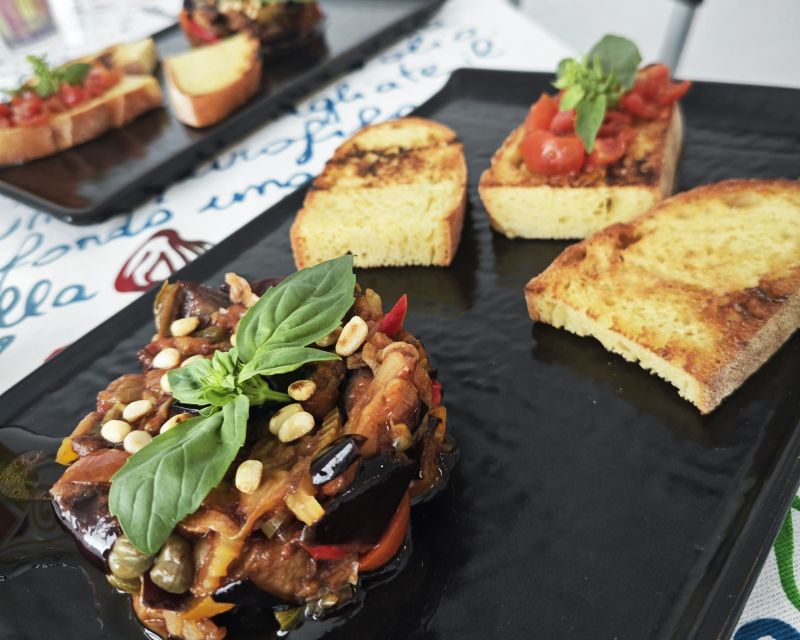
- Starter: Bruschetta with Sicilian character
- Main course: Caponata or Parmigiana-style eggplant
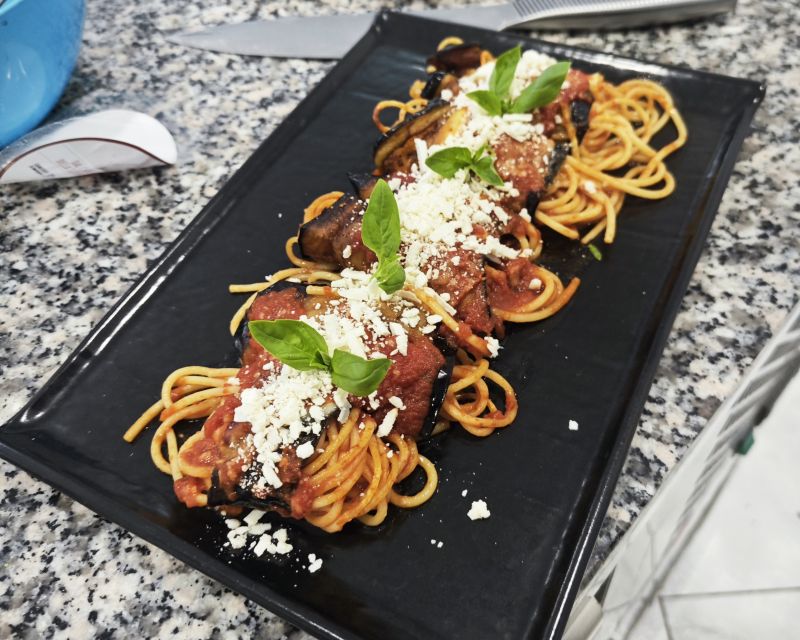
- Pasta course: Spaghetti rolls with ricotta, tomato, basil
- Dessert: Cannolo decoration and tasting
- Wine and the Real Point of the Meal
- Simona and the Small-Group Advantage in Catania
- What You Can Actually Recreate at Home
- Price and Value: Is $107.62 Worth It?
- Who This Cooking Class Suits Best (and Who Might Skip It)
- Before You Go: Simple Ways to Get More Out of the Class
- Should You Book This Catania Cooking Class?
- FAQ
- Where does the cooking class start?
- How long is the experience?
- Is lunch or dinner included?
- What drinks are included?
- What kinds of dishes will you cook?
- How big are the groups?
- Which languages are offered?
- Can I cancel or pay later?
Key Things I’d Plan Around
- Small group (max 12), so you actually get help as you cook.
- English or Italian instruction, with an approach that’s easy to follow.
- A full meal (lunch or dinner) using typical Sicilian products.
- Wine is part of the experience, paired with what you make.
- Cannolo is included, with decoration and tasting, not just description.
- Catania-based Sicilian specialties, so you’re eating the flavors of the island, not generic Italian pasta.
Why Catania’s Mediterranean Menu Feels Personal
Sicily is not one food. It’s flavors that shift from coast to coast, and Sicily around Catania has its own habits: sweet-sour combinations, eggplant in smart forms, and desserts that are more than an afterthought. This class leans into that. You’re not learning a random recipe list; you’re building a small Sicilian meal you can understand and repeat.
I like that the focus stays Mediterranean and practical. You’ll work with island products and dishes that make sense together: something crisp and toasty at the start, a main that turns eggplant into comfort, and a dessert that is unmistakably Sicilian. The end result is a plate you recognize from Italian food memories, but made with technique and reasoning you can carry home.
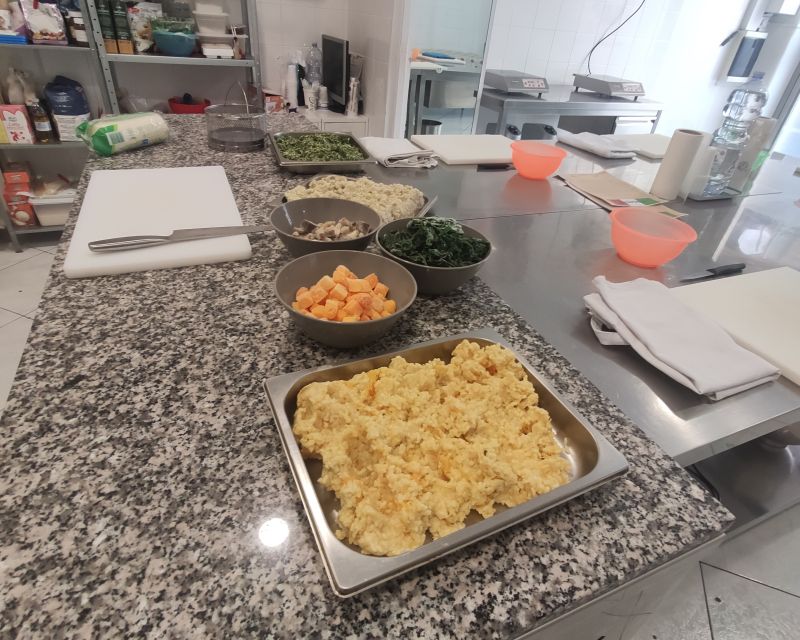
Another big reason this feels worthwhile in Catania: the cooking happens in an actual equipped laboratory kitchen, not a demo corner. That matters because the skills you learn are tied to tools and prep habits you can mimic later. You don’t just leave with recipes on your phone—you leave with muscle memory.
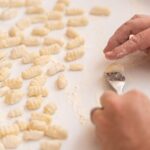
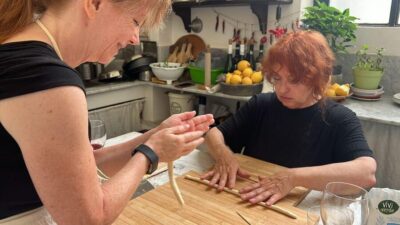
Rolling pasta and arancini in a local Catania kitchen.


The Hands-On Kitchen Lesson: What You’ll Cook in 3 Hours
The class runs about 3 hours, and you stay involved throughout. You’ll be working with the guidance of your instructor, learning by doing. The menu you’ll likely cook is shown as examples, but it follows a classic Sicilian structure: starter, main, dessert, with wine.
Here’s the core flow you can expect:
Starter: Bruschetta with Sicilian character
You’ll begin with Sicilian typical bruschetta. Expect the kind of toppings that taste bright and direct—stuff you could easily do at home once you know how to balance the components. The practical win here is learning how to build flavor in layers: bread texture, topping thickness, and seasoning timing.
If you’re thinking, I can make bruschetta myself, you’re not wrong. But the value is in how Sicily does it—how the toppings behave when you actually prepare them, and how the seasoning changes once the ingredients meet.
Main course: Caponata or Parmigiana-style eggplant
Next comes one of the two Sicilian eggplant classics in a style you can adapt:
- Caponata in sweet and sour style, or
- Aubergine Parmigiana (eggplant parmigiana)
This is where the class feels most like Sicily, not just Italian cooking. Sweet and sour caponata trains you to think in contrasts: acidity, sweetness, and savoriness working as one idea. Parmigiana-style eggplant teaches structure: the layering that keeps it satisfying instead of sloppy.
You’ll be cooking in the rhythm of a real meal, too, which helps if you’re the kind of cook who wants everything timed. Even if your kitchen isn’t identical to theirs, learning the sequence makes your home attempt way easier.
Pasta course: Spaghetti rolls with ricotta, tomato, basil
For the pasta part, the menu example includes spaghetti rolls with either the norm style or a version with short pasta, ricotta, tomato, and basil. It’s not just about shaping food. The technique is about handling fillings and keeping flavors coherent so it doesn’t turn into a mix-it-and-hope situation.
This portion is especially useful if you like Italian cooking but feel unsure about how to stuff or shape. A class like this gives you a template mindset: filling texture, sauce balance, and portioning.
More Catania tables worth booking.


Dessert: Cannolo decoration and tasting
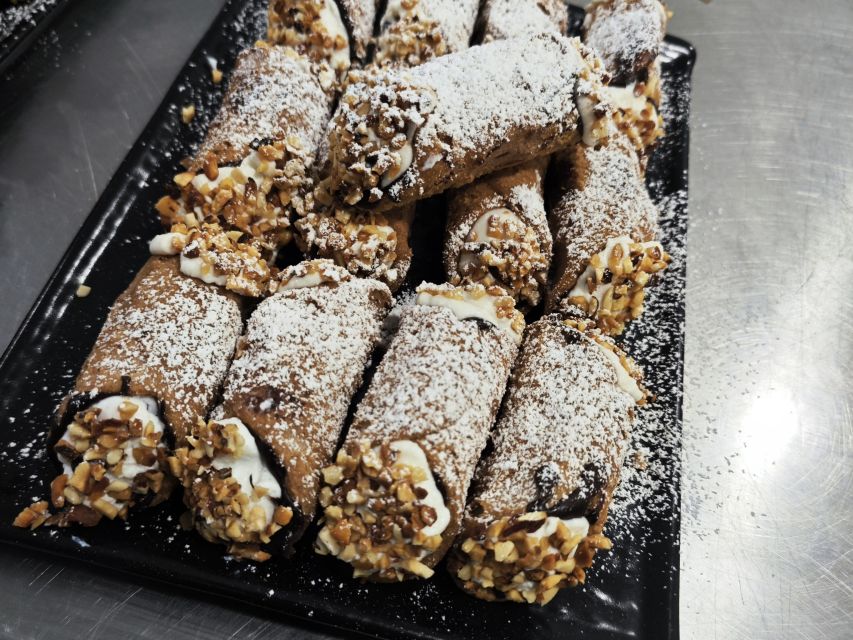
Then comes the star of the Sicilian dessert world: cannolo. In this class, it’s not just eating a cannolo you bought. You’ll do cannolo decoration and tasting. That’s a detail that makes the whole experience feel hands-on and memorable.
Cannolo is also one of those desserts where technique matters (how fillings set, what you notice on the palate). Even if you don’t decorate like a professional, you’ll learn what good tastes like and how the components should behave together.
Wine and the Real Point of the Meal
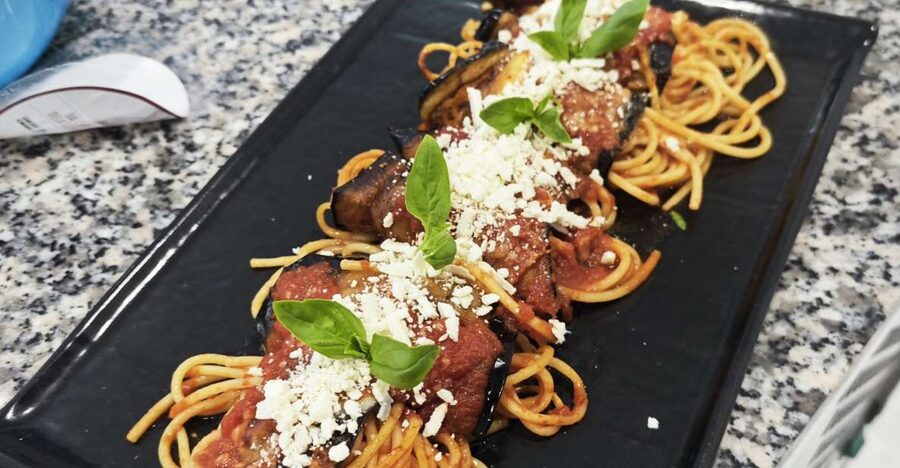
At the heart of this experience is the meal you eat after you cook. Your Pranzo or dinner uses the dishes you prepare, and there’s a bottle of Sicilian wine included.
It helps to think of it as two experiences in one:
1) You learn how to make the food.
2) You get the chance to taste it as a complete Sicilian meal.
That pairing is the secret sauce. Wine doesn’t just add flavor; it changes how you perceive salt, sweetness, and acidity. You’ll also get something close to a built-in lesson in hospitality. The class is designed to end back at the meeting point, but you’re not rushed through. You’re meant to eat what you made.
One practical tip from the vibe of the experience: come with room in your stomach. The class isn’t stingy. The meal is a genuine 3-course style setup, and the wine is part of it.
Simona and the Small-Group Advantage in Catania
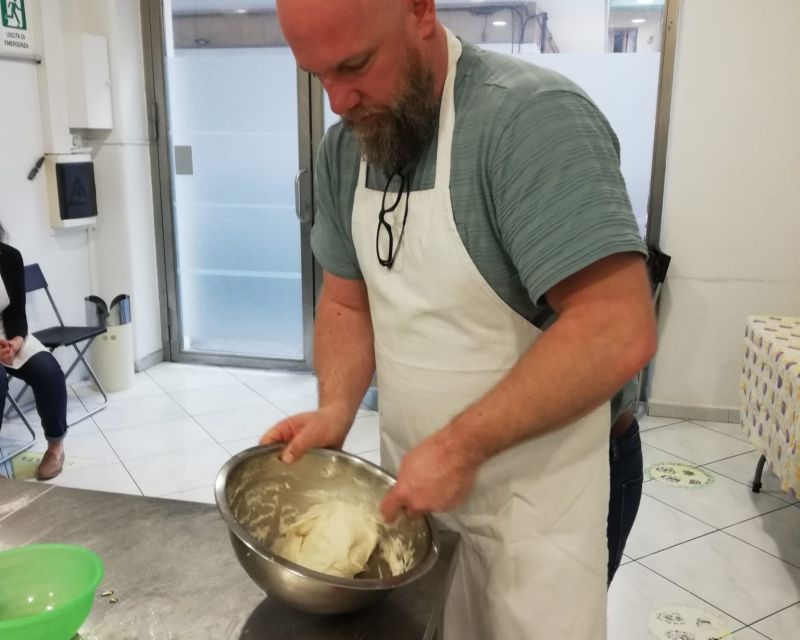
This class is taught by an instructor who can speak English and Italian. In past sessions, Simona has been named as the teacher, and the standout theme is clear: she explains in a way that you can follow without feeling lost in kitchen jargon.
The group size is minimum 2 and maximum 12. That’s the difference between a class that feels like a production line and one that feels like you’re being coached. With fewer people, it’s easier to ask questions at the exact moment you need them—like when your sauce looks too thick or your eggplant needs extra attention.
You’ll also get a better sense of Sicilian cooking habits because you’re in the space long enough to notice what matters. That could be seasoning, timing, or how the instructor checks texture before moving on.
In short: you’re not just collecting recipes; you’re learning a working approach to Mediterranean cooking.
What You Can Actually Recreate at Home
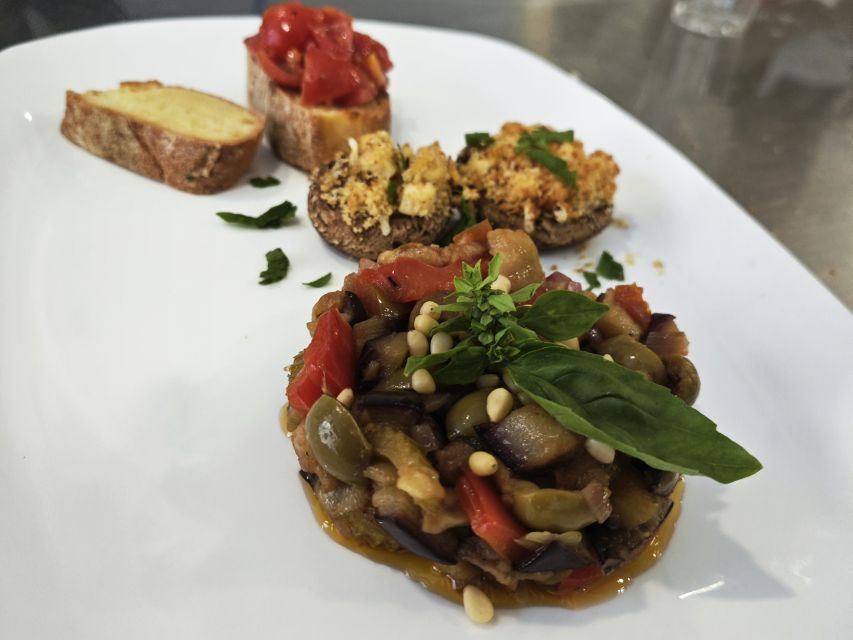
Most cooking classes fail if the skills don’t translate. Here, the promise is that the dishes are designed so you can replicate them at home. Even though every kitchen is different, the methods are built around ingredients and steps that make sense in a normal household setup.
To make your home attempt easier, focus on these takeaways:
- Sequence beats perfection. If you cook in the right order, your flavors come together more reliably.
- Eggplant is the teacher. Whether you do caponata sweet-sour or parmigiana-style layering, eggplant quality and handling make or break the meal.
- Sauce and filling balance. For pasta rolls and the ricotta-tomato-basil-style components, you want filling that’s flavorful but not watery.
- Dessert is part of the meal, not an afterthought. Cannolo works best when you respect how the components fit together.
Also, since the class takes place with professional cooking equipment in an equipped laboratory, you’ll likely notice techniques you can imitate even if you don’t have the exact same tools. The biggest transfer is how you judge texture and doneness as you go.
If you’re bringing this class back to your kitchen, take a moment before you start cooking at home to plan your own 3-course timeline. The class format is essentially teaching you how to organize a Sicilian dinner.
Price and Value: Is $107.62 Worth It?
At $107.62 per person, you’re paying for more than a recipe sheet. You’re paying for ingredients, equipment access, instruction, and a full meal with wine.
Here’s the value logic I’d use:
- If you’re traveling and you’d otherwise spend money on a nice Catania meal plus a cooking workshop separately, the “included” part is doing real work.
- The class isn’t just tasting; it’s cooking. That means your money goes into hands-on instruction and time in the kitchen.
- You get the meal outcome. Eating what you made is part of the teaching, and it avoids the common disappointment of cooking classes where you do the work but don’t get to enjoy the result properly.
The only time I’d hesitate is if you’re mainly interested in sightseeing and already plan to eat out for most meals. In that case, this class may feel like a commitment. But if you like learning and eating, this pricing structure is usually fair.
Who This Cooking Class Suits Best (and Who Might Skip It)
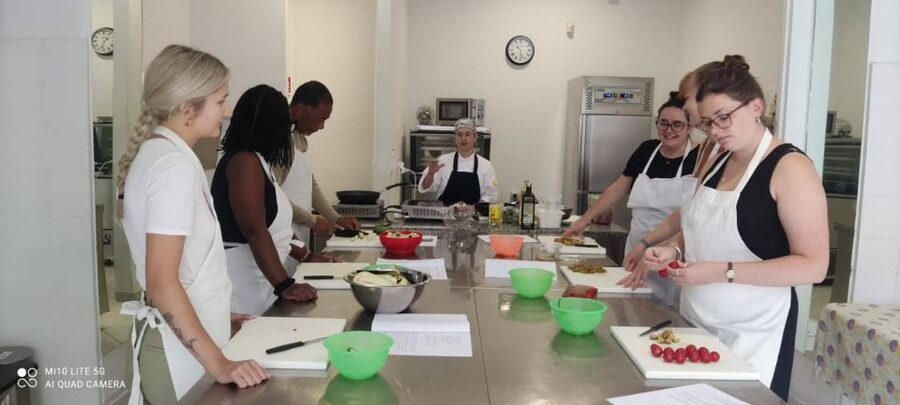
This is a strong match if you:
- want a small-group experience in Catania,
- enjoy hands-on cooking,
- like Mediterranean flavors and Sicilian staples,
- want a dinner story you can repeat at home.
It may be less ideal if you:
- want a quiet, watch-only experience,
- dislike being in a working kitchen environment,
- prefer food tours that focus only on tasting without cooking.
One more fit check: bring the right energy. The class runs long enough that the best mindset is to treat it like a full evening plan, not a quick stop.
Before You Go: Simple Ways to Get More Out of the Class
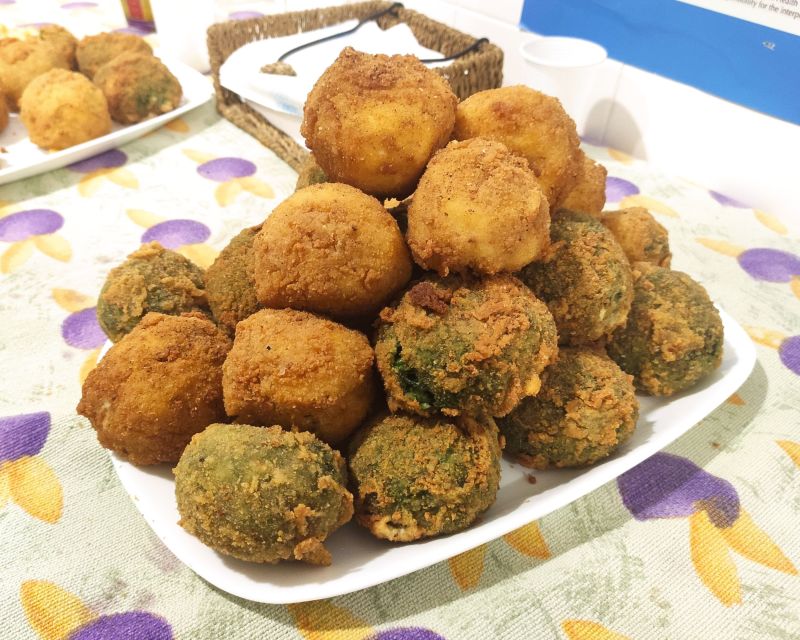
You’ll enjoy it more if you plan a little around the experience:
- Eat lightly beforehand so you can enjoy the lunch or dinner afterward.
- Be ready to participate. This is not a background activity.
- If you speak English or Italian, use that strength. The instructor is set up for both, and you’ll get more out of questions.
Also, because the class starts in the laboratory kitchen and ends back at the meeting point, it’s easy to slot into a day in Catania without needing extra navigation gymnastics.
Should You Book This Catania Cooking Class?
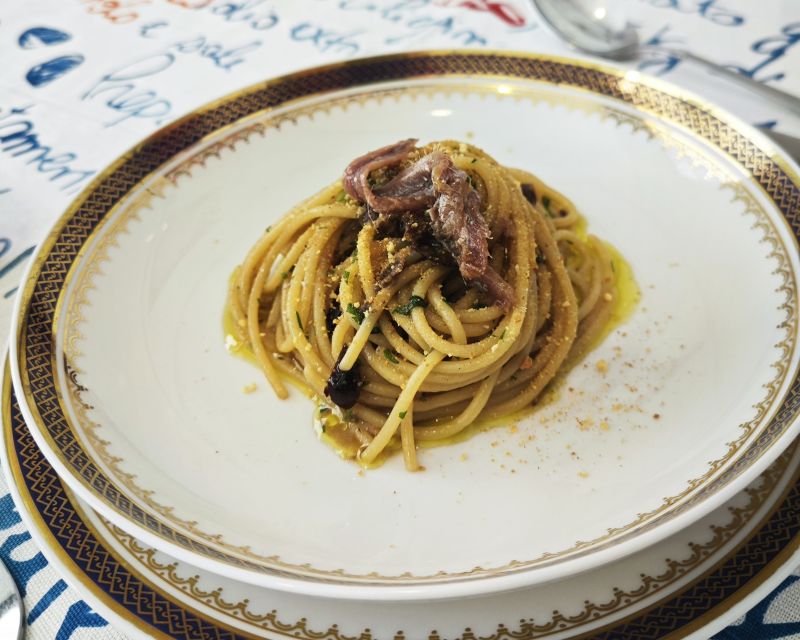
Yes—if you want a hands-on Sicilian meal experience with real instruction, a practical menu, and the satisfaction of eating what you cooked. The standout selling points are the small group size, the friendly teaching (with Simona specifically noted in prior sessions), and the fact that you leave with a repeatable Sicilian menu structure: bruschetta, an eggplant main, pasta rolls, and cannolo with tasting.
I’d skip it only if you’re expecting a short demo or if you don’t care about cooking. Otherwise, it’s one of the more direct ways to take Sicily home with you—one dish at a time.
FAQ
Where does the cooking class start?
It starts at the laboratory (the kitchen location), and the activity ends back at the meeting point.
How long is the experience?
The duration is 3 hours (exact starting times vary, so check availability).
Is lunch or dinner included?
Yes. You’ll have Pranzo (lunch) or dinner, using the dishes you prepare.
What drinks are included?
A bottle of Sicilian wine is included with your lunch or dinner, and the menu includes typical wine tasting.
What kinds of dishes will you cook?
The class menu examples include Sicilian bruschetta, caponata (sweet and sour) or aubergine parmigiana, spaghetti rolls with norm or a short pasta ricotta-tomato-basil version, and cannolo decoration and tasting.
How big are the groups?
The class runs for a minimum of 2 and a maximum of 12 people.
Which languages are offered?
The instructor speaks English and Italian.
Can I cancel or pay later?
You can cancel for a full refund up to 24 hours in advance, and you can reserve now & pay later.
More Catania Dining
More Tour Reviews in Catania






More Catania Cooking Classes

After something different? More tours and day trips around Catania and eastern Sicily










Catania Cooking Classes with a Local, compared.
 ★ 4.7Pistachio Ravioli, Pasta Home Cooking Class w/ WineFrom $100204 reviews
 ★ 5.0Cooking lesson in Catania with lunch or dinnerFrom $119154 reviews
 ★ 5.0From Catania: Private/Guided Godfather with Appetizer and PastaFrom $34242 reviews
 ★ 5.0Market Tour and Cooking Class with Chef RiccardoFrom $16940 reviews
 ★ 4.8Pasta & Tiramisu Cooking Class at a Local’s HomeFrom $11239 reviews
 ★ 5.0Private Catania Pasta-Making Class in a Local Home by CesarineFrom $17427 reviews
 ★ 4.8Cooking Class Arancini in Catania20 reviews
 ★ 4.9Pizza Cooking ClassFrom $10118 reviews
Browse the lists this tour appears in