
Reviewed · SYRACUSE, ORTIGIA & NOTO DAY TRIPS
Private Day Tour to Syracuse and Noto
Syracuse feels like three cities in one day. This private route strings together Neapolis’ Greek-Roman monuments, the compact magic of Ortigia, and the Late Baroque towns of the Val di Noto. I also like that you get a real change of pace at each stop, so the day doesn’t just blur into one long bus ride.
The main thing to plan for is comfort. Even though it’s private and air-conditioned, the vehicle size can vary, and a cramped car for a full group will make an 8-hour day feel longer than it should.
In This Review
- Key things that make this tour worth your time
- A Route That Moves Fast, But Still Feels Thoughtful
- Pickup and Private Transport: The Comfort Question
- Neapolis in Syracuse: Greek Theater, Latomies, and the Ear of Dionysus
- Ortigia Old Town: Bridges, Apollo Temple Remains, the Duomo, and Aretusa
- Late Baroque Val di Noto: Noto as the Headliner
- Timing, Pacing, and That 8-Hour Reality Check
- Price and Value: Where the Cost Makes Sense
- Guide Quality and Vehicle Comfort: Two Things to Confirm
- What to Bring for a Smooth Day
- Should You Book This Syracuse and Noto Tour?
- FAQ
- How long is the Private Day Tour to Syracuse and Noto?
- What are the main stops during the day?
- Is lunch included?
- Which admission tickets are included, and which are not?
- Where do you get picked up, and what time?
- Can I cancel and get a full refund?
Key things that make this tour worth your time
- Pick-up between 8:30 and 9:00 from your hotel, airport, or port so you don’t waste the morning figuring out logistics
- Three well-timed stops: 2 hours at Neapolis, 3 hours in Ortigia, and 2 hours in the Val di Noto
- Real “admissions math”: Ortigia and Val di Noto tickets are included, but Neapolis costs extra
- Air-conditioned private transport with a mix of vehicle types (minivan or 4×4-style transport may be used)
- Guides like Roberto and Janet can make the day smoother with good storytelling and confident driving
A Route That Moves Fast, But Still Feels Thoughtful
This is one of those Sicily days that works because it’s built around contrasts. You start with the big stone drama of Greek and Roman Syracuse, then shift to the walkable old-town streets of Ortigia, and finish with the ornate, candle-sized drama of Late Baroque architecture in the Val di Noto.
The timing is the whole trick. Neapolis is a set of major sites that can swallow an afternoon if you wander. Ortigia is built for strolling, but it also draws you in for a longer look at details. The Val di Noto segment gives you a taste of multiple towns without turning the day into an endless check-list.
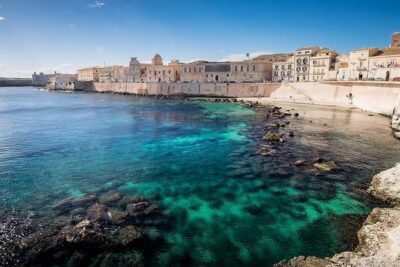
South to Syracuse, the island of Ortigia and golden Noto.

Pickup and Private Transport: The Comfort Question
You’re picked up from your accommodation, hotel, airport, or port of arrival between 8:30 and 9:00. That matters because you don’t lose time hunting for meeting points, and you get a door-to-door start (within the stated window).
The tour uses air-conditioned vehicle transport and is private, meaning only your group participates. That’s great for families, couples, and small friend groups who want flexibility and a quieter day than a large coach.
One practical note: the operator states that different vehicle types may be used, including 4×4 off-road machines and/or minivans. That flexibility is sometimes useful in places with uneven roads, but it also means you should be smart about seating. If you’re booking for four or more people, confirm the vehicle size and seating setup up front—one uncomfortable car can turn an otherwise excellent route into a pain.
Also, it’s offered in English, and in a private setting you can ask your driver-guide to slow down when you want more explanation at a specific stop.
Neapolis in Syracuse: Greek Theater, Latomies, and the Ear of Dionysus
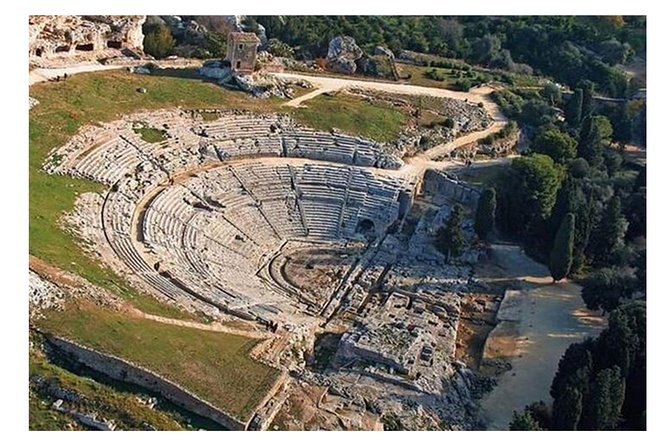
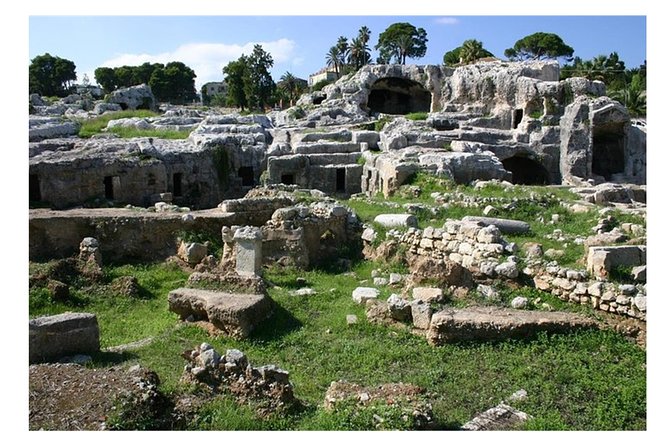
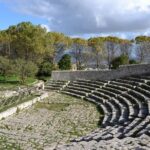
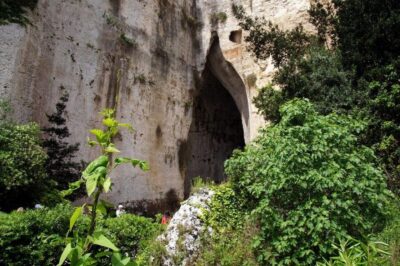
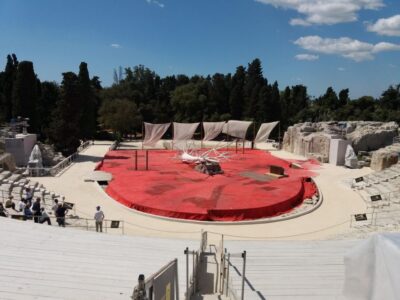
Neapolis is where the day earns its “major sites” reputation. You’ll spend about 2 hours at Parco Archeologico della Neapolis, and the focus is on the core Greek and Roman monuments: the Greek theater, the Latomie del Paradiso, the ear of Dionysus, and the Roman amphitheater.
A quick way to think about this stop: it’s not one museum. It’s a landscape of ruins where architecture and geology are doing the talking.
- Greek theater gives you that classic big-stage feeling, with seating carved into the setting. Even if you’re not into theater history, it’s the best “scale” moment of the day.
- Latomie del Paradiso are stone-quarry spaces that feel oddly atmospheric. Expect them to be memorable because they’re not flat and uniform like a standard exhibit.
- The ear of Dionysus is the kind of stop people remember even if they can’t explain the acoustics afterward. It’s one of those places that turns your imagination on.
- Roman amphitheater rounds out the Greek-to-Roman story in a way that’s easy to grasp while you’re there.
Budget-wise, here’s the part you’ll pay yourself: Neapolis archaeological park admission is not included and is listed as €13.50. If you’re trying to keep the day’s cost predictable, factor that in now.
Because it’s an archaeological park and not a cafeteria, bring practical mindset: wear comfortable shoes, and be ready for uneven ground and time spent outdoors. The 2 hours is solid, but you’ll still want to move efficiently if you’re the type who stops for photos every 10 minutes.
Ortigia Old Town: Bridges, Apollo Temple Remains, the Duomo, and Aretusa
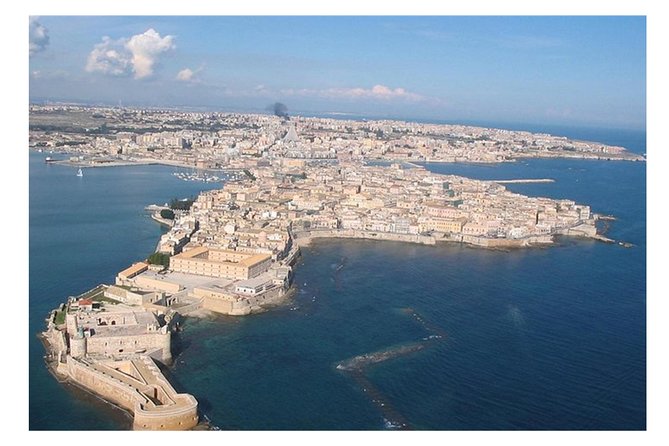
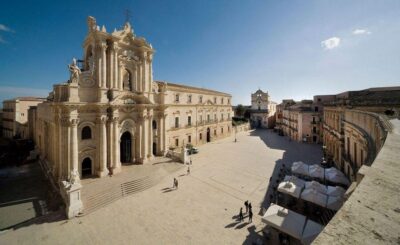
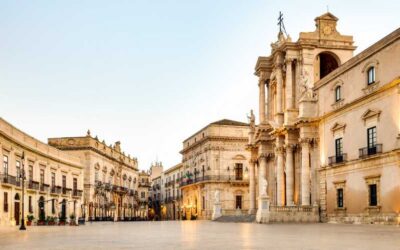
Then you shift to the part of Syracuse that feels human-sized. Ortigia is the old town on an islet separated from the modern part of the city by small bridges. You’ll spend about 3 hours here, and the tour lists Ortigia admission as included.
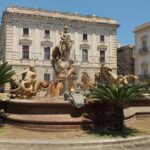
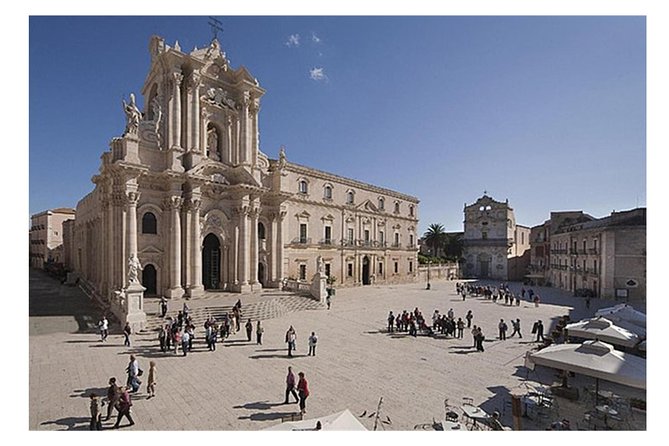
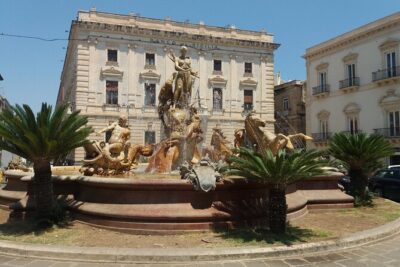
This stop is a good blend of “big recognizable highlights” and quiet details. The monuments you’ll see include the remains of early Greek buildings such as the Apollo Temple area, plus the Duomo (the biggest draw for many people). You’ll also get to Fontana di Aretusa, with papyrus plants at the water source.
Here’s why I like Ortigia for a day tour:
- It’s walkable and visual. You don’t need a map to understand what you’re seeing.
- The Duomo area and the temple remains are the kind of contrasts that make you pay attention. You see layers—old stone, reused spaces, and the modern city orbiting around them.
- Fontana di Aretusa is a natural pause point. It’s not just a photo stop; it gives your brain a reset before you move on.
One caution: 3 hours in Ortigia can go fast because there’s always another doorway, square, or viewpoint. If lunch isn’t included, Ortigia is one of the better places in the day to grab food on your own, since it’s part of the walk and doesn’t feel like you’re wasting time driving elsewhere.
Late Baroque Val di Noto: Noto as the Headliner
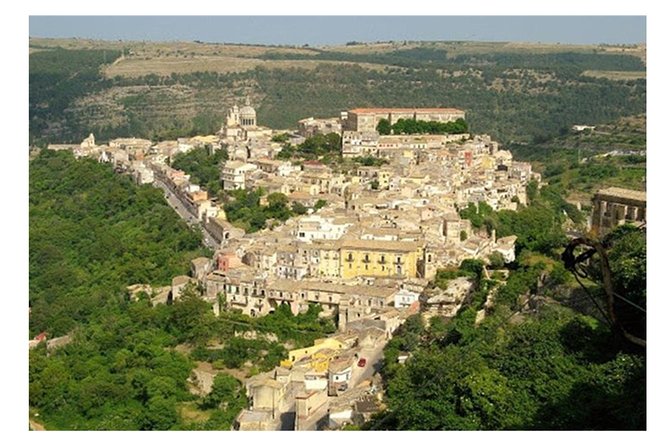
The final “big” shift is the Late Baroque towns of the Val di Noto. You’ll spend about 2 hours here, with admission listed as included for this segment.
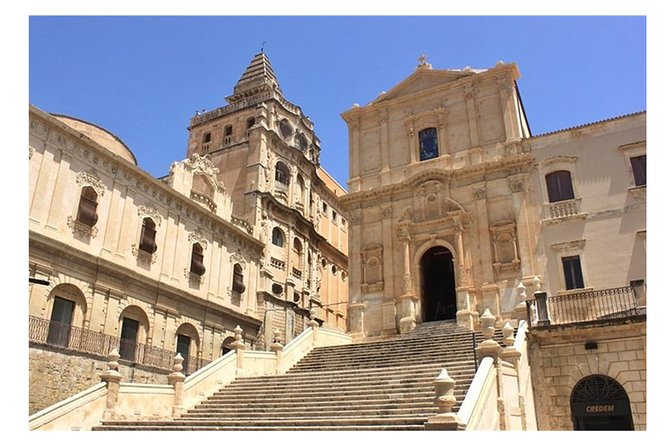
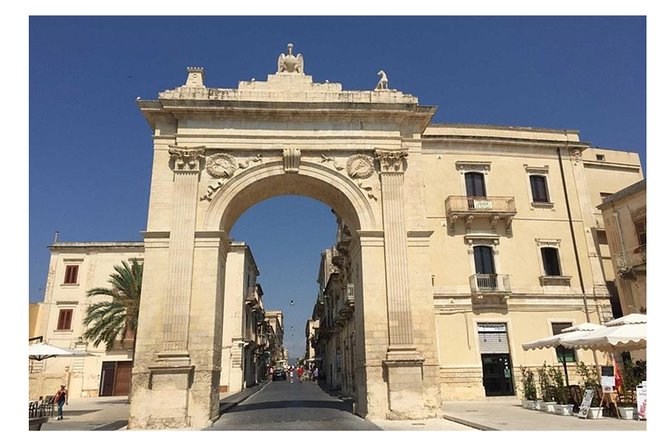
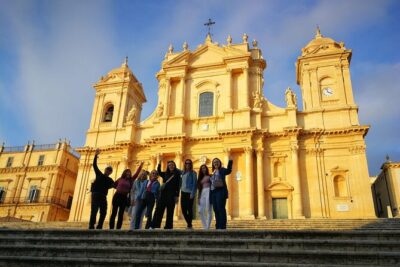
The tour’s headline is Noto, a World Heritage Site, plus other sites in the Val di Noto area. The whole point is the architecture: palaces and churches decorated in that exuberant Late Baroque style that looks almost too ornate until you realize people built it to be seen, up close, all day long.
What you should expect is less about rushing through one famous building and more about noticing how the facades work together. In a short window, you can still catch the “baroque rhythm”—curves, columns, sculptural details, and the way sunlight changes the look minute to minute.
Two practical things to keep in mind:
- This is the part of the day where you’ll want your eyes to stay open. It’s easy to miss details if you’re tired.
- If you’re the type who likes to read every plaque, this segment may feel short. It is short by design, because the day already includes two major Syracuse stops.
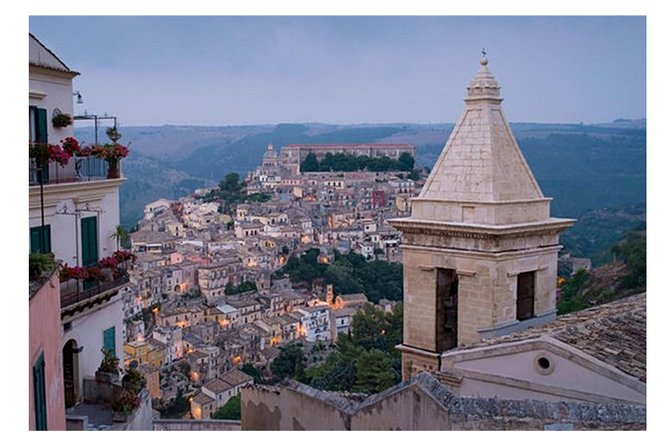
The baroque towns of Noto, Modica and Ragusa Ibla.

Timing, Pacing, and That 8-Hour Reality Check
The day runs about 8 hours total. On paper, the sightseeing time is 2 + 3 + 2, which equals 7 hours, and that lines up with a packed day that still includes travel between places.
That means you should plan your expectations like this:
- You’ll get major highlights, not a slow, deep wandering session.
- You’ll likely spend more time outside than inside.
- You’ll need to be flexible if you want to linger at Fontana di Aretusa or pick a favorite angle at Neapolis.
If lunch isn’t included (it isn’t), I’d treat this as a bring-your-energy day. Eat before you get picked up if you can. If not, plan to buy something simple in Ortigia, where you’re already walking.
Price and Value: Where the Cost Makes Sense
The price is listed at $231.91 per person. For Sicily, private day tours cost more than group tours, so the real question is whether you’re buying convenience and structure—or just paying for transport.
Here’s what you are getting for your money:
- Air-conditioned private transportation (not a shared scramble)
- A private day route that includes three major sightseeing blocks
- Admission for Ortigia and for the Late Baroque Val di Noto stop(s)
- Mobile ticket delivery
And here’s where the day can cost a little more than the sticker:
- Neapolis admission is €13.50 extra
When that value clicks is when you don’t want to drive, park, or coordinate tickets across multiple areas in one day. This itinerary also reduces decision fatigue. Someone plans the sequence for you, and you can focus on the sites.
If you’re the kind of traveler who enjoys setting your own pace and doesn’t mind doing logistics, you might compare this to what you’d pay for separate public transport and tickets. But if you want a smooth day with a tight route and the ability to ask questions while you go, the price starts to feel more reasonable.
Guide Quality and Vehicle Comfort: Two Things to Confirm
The guiding experience can vary, and it’s worth planning for that. In past experiences with this operator, I’ve seen examples of guides who go beyond simple driving—like Roberto, who’s been praised for safe driving and going above and beyond locally. Janet has also been described as bringing the history and culture of Sicily in a clear, approachable way.
That said, the tour still depends on who’s behind the wheel and how they structure the explanations. If you want more than quick stop-by-stop commentary, ask at the beginning to focus on the details you care about most—Greek theater layout, the quarry sites, baroque architecture clues, or how Ortigia’s layers connect.
Then there’s the seating reality. One concern that can ruin a long day is an undersized vehicle for your group size. Since the operator may use minivans or 4×4-style transport, you have a lever here: when booking, confirm the vehicle plan for your exact number of people. Comfortable seating is not a luxury on an 8-hour day. It’s the difference between enjoying the last stop and counting minutes.
What to Bring for a Smooth Day
This tour is mostly walking plus archaeological terrain. Bring the basics that keep you from getting irritated halfway through:
- Comfortable walking shoes (archaeology ground can be uneven)
- Sunglasses and sunscreen for outdoor portions
- A light layer, since outdoor sites can change in feel from morning to afternoon
- A snack or water plan, since lunch isn’t included
And if you’re sensitive to heat or long stretches, pace yourself at Fontana di Aretusa. It’s a good point to slow down, take a breath, and then head back into the architecture watching mode.
Should You Book This Syracuse and Noto Tour?
Book it if you want a structured private day that hits the big Syracuse highlights and still gives you real Late Baroque architecture time in the Val di Noto. The included admissions for Ortigia and the Val di Noto segment help the overall value, and the pickup window keeps the day from eating itself alive with logistics.
I’d skip—or at least check details closely—if comfort is your top priority and your group has specific seating needs. Confirm the vehicle size and whether you’ll have the room you expect. Also remember: Neapolis has an extra admission fee, and lunch isn’t part of the package.
If you line up those practical details, this is a day that can feel like three different stories told back-to-back: ancient Syracuse, layered Ortigia, and baroque Sicily’s dramatic finishing move.
FAQ
How long is the Private Day Tour to Syracuse and Noto?
The tour is about 8 hours.
What are the main stops during the day?
You’ll visit Parco Archeologico della Neapolis (about 2 hours), Ortigia (about 3 hours), and the Late Baroque towns of the Val di Noto with Noto (about 2 hours).
Is lunch included?
No. Lunch is not included.
Which admission tickets are included, and which are not?
Admission is included for Ortigia and for the Late Baroque towns of the Val di Noto. Admission for the Archaeological Park of Neapolis in Syracuse is not included and is listed as €13.50.
Where do you get picked up, and what time?
Pickup is from your accommodation, hotel, airport, or port of arrival between 8:30 and 9:00.
Can I cancel and get a full refund?
Yes. You can cancel up to 24 hours in advance for a full refund.
More Tour Reviews in Catania





More Baroque Noto, Modica and Ragusa
More Syracuse and Ortigia Days
After something different? More tours and day trips around Catania and eastern Sicily







Syracuse, Ortigia & Noto Day Trips, compared.
 ★ 4.6Syracuse, Ortigia, and Noto Tour with BrunchFrom $112404 reviews
 ★ 5.0Syracuse, Ortigia and Noto walking tour from CataniaFrom $129273 reviews
 ★ 4.7From Catania: Neapolis of Syracuse, Ortygia, and Noto TourFrom $130234 reviews
 ★ 4.4From Catania: Syracuse and Noto Culture and History TourFrom $80232 reviews
 ★ 3.9From Catania: Syracuse, Ortygia, and Noto Tour140 reviews
 ★ 4.7From Catania: Syracuse, Ortigia and Noto Full-Day TourFrom $113133 reviews
 ★ 4.5Siracusa,Ortigia and Noto TourFrom $12082 reviews
 ★ 4.5Siracusa – Ortigia & Noto TourFrom $26471 reviews
Browse the lists this tour appears in