
Reviewed · SYRACUSE, ORTIGIA & NOTO DAY TRIPS
Syracuse, Ortigia & Noto
Sicily in one long, satisfying day. This Syracuse–Ortigia–Noto trip strings together Greek ruins, seaside walking, and white baroque streets, with the comfort of private transport and a small group (max 8). I especially like the stop mix: you get the scale of Neàpolis first, then you slow down on Ortigia with a snack and time to wander, and you finish in Noto where the architecture does most of the talking. I also like that the guide side of things is easy to follow, with clear communication and a lively ride thanks to Giovanni’s local knowledge. The only real drawback to plan around is that you’re on your feet for a lot of the day, and if parking gets tricky (like around major events), you may have less guidance for a short stretch.
Quick-start advice: go in expecting ruins-and-walking, not a sit-down sightseeing day. One trip can run smoothly, but one review-style hiccup happened when the guide had to regroup after a parking issue, leaving the group to navigate Ortigia for about an hour before full guidance resumed. Add heat to the mix and older folks or anyone with mobility limits should think carefully about the walking parts.
In This Review
- Quick hits before you go
- Neàpolis in Syracuse: Greek Theater and the stuff you picture
- Ortigia by the water: Temple of Apollo to Fonte Aretusa
- The included snack (and the smart lunch option)
- Noto’s baroque “white stone” hour-by-hour
- How to pace Noto without losing your feet
- What makes this tour good value for the money
- Pace, comfort, and the one hiccup to plan for
- Who this tour is best for
- Should you book Syracuse, Ortigia & Noto?
Quick hits before you go
- Neàpolis first, so you can see the Greek Theater, Dionisio’s Ear, and the Latomie while your day is still fresh
- Ortigia on foot with classic sights like Piazza Duomo, Fonte Aretusa, and the promenade
- Sicilian hot-table snack + Etna wine included, plus an option to use free time for lunch
- Noto feels like an open-air museum as you walk from the Royal Gate through the main baroque highlights
- Small group (max 8) and private transportation keep things calmer than big-bus tours
Neàpolis in Syracuse: Greek Theater and the stuff you picture
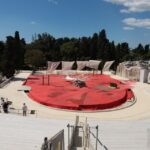
Your morning starts at 8:30 am, and you’ll head to Syracuse’s Neàpolis, the big archaeological park set in the countryside just outside the center. Plan on about 1.5 hours here, which is a good chunk for walking the main areas without turning it into a race.
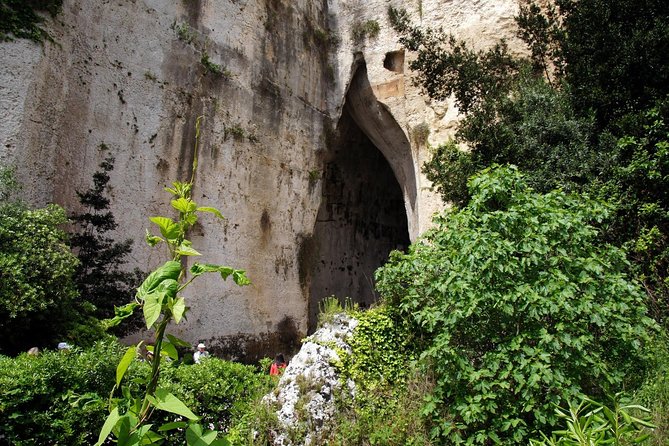
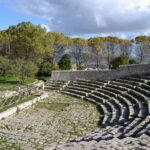
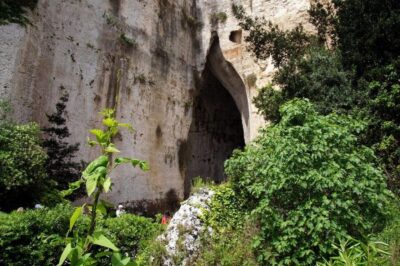
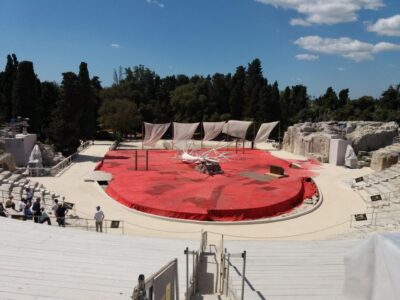
This is where you’ll meet the Greek-era Syracuse landmarks most people only read about. You’ll see the Greek Theater, the famous Dionisio’s Ear (Orecchio di Dionisio), and the Latomie—stone quarries with dramatic caverns that helped form the mood of the ancient site. Even if you’re not a “ruins person,” Neàpolis works because the structures are so recognizable. You can stand where a performer once faced the crowd in the theater, then look at the odd acoustics around Dionisio’s Ear and feel why this place became a legend.
One practical note: these areas involve uneven ground and a lot of walking. If it’s hot out, bring water and give yourself time to step slowly, especially around the more spread-out points in the park.
South to Syracuse, the island of Ortigia and golden Noto.

Ortigia by the water: Temple of Apollo to Fonte Aretusa
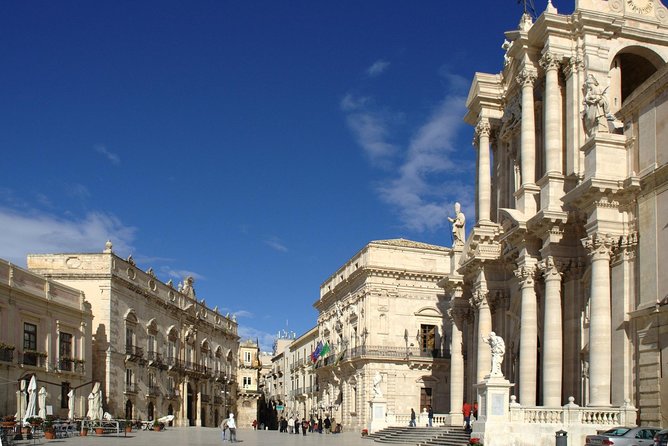
After Neàpolis, the tour shifts to the Ortigia peninsula, the historic core that makes Syracuse feel different from the mainland. You’ll spend about 1 hour here, and that timing matters: it’s enough to get the main sights, but it’s not enough to wander every alley. Think of Ortigia as a “walk the key loop” kind of stop.
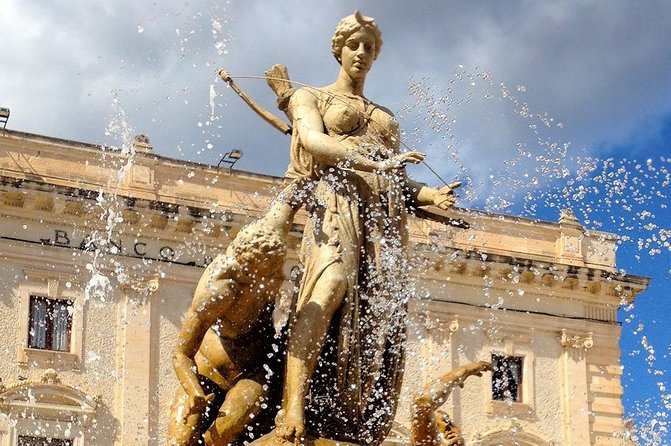
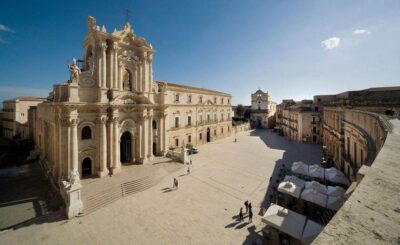
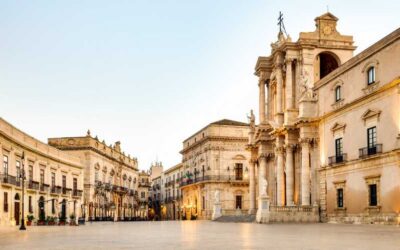
You’ll begin near the area of the Temple of Apollo, then move through the typical, twisty streets that make Ortigia feel like a living set. The walk lands at Piazza Duomo, where you’ll see the white cathedral—built on top of the ancient Greek temple of Athena. That layers matter. The cathedral’s presence on older foundations is one of those places where you can almost feel the centuries stacking up as you look around.
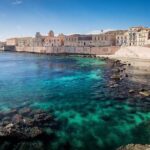
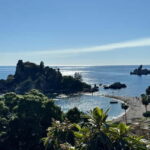
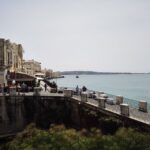
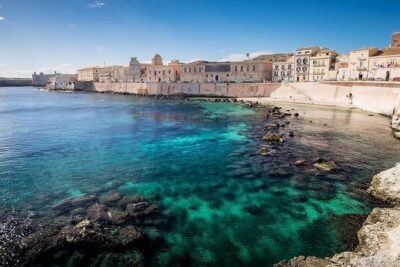
From there, you’ll head toward Fonte Aretusa and the promenade. This is the part that tends to feel the most relaxing, because you’re shifting from stone ruins to sea air and slower streets. It’s also the best time to pause and just look at the water and the way the peninsula’s edges define the town.
The included snack (and the smart lunch option)
This is where the tour gives you a built-in break. You’ll be offered a Sicilian hot-table snack, along with water and Etna wine. If you’d rather have a proper lunch instead, you’ll also have about an hour of free time to grab food in one of Ortigia’s restaurants along the alleyways.
My advice: don’t overplan lunch. Ortigia’s streets are fun, but they’re easy to get turned around in when you’re hungry. If you can, use the free hour to do one clear target: either enjoy the included hot-table snack and keep moving, or commit to lunch and then return to the main route.
Noto’s baroque “white stone” hour-by-hour
Noto is the final stop and, in many ways, the emotional payoff. You’ll have about 3 hours here, which is important because baroque architecture needs time. It’s the kind of place where details reward you for looking—not just passing by.
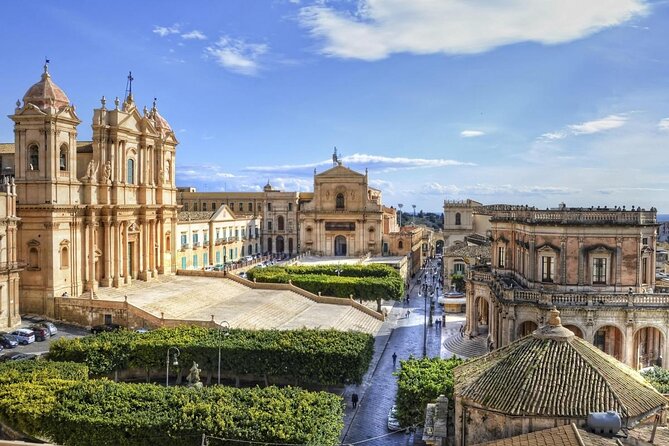
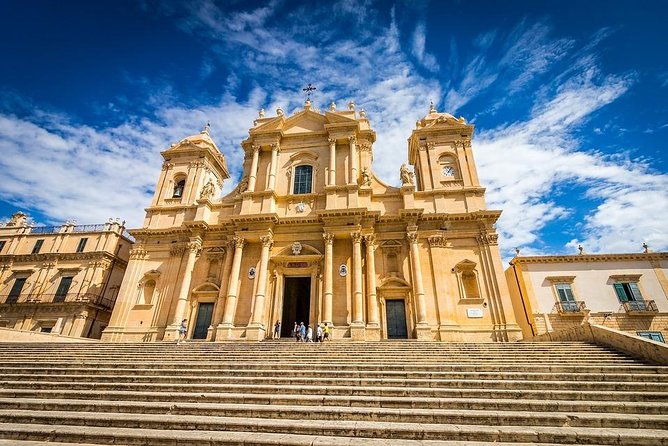
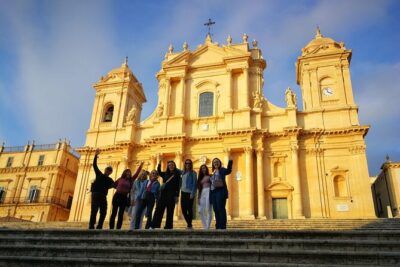
Noto is considered an open-air museum, UNESCO-listed for its Sicilian baroque. Your visit starts entering from the Royal Gate, then continues through the main course toward several major stops:
- Church of San Francesco, reached from the majestic steps
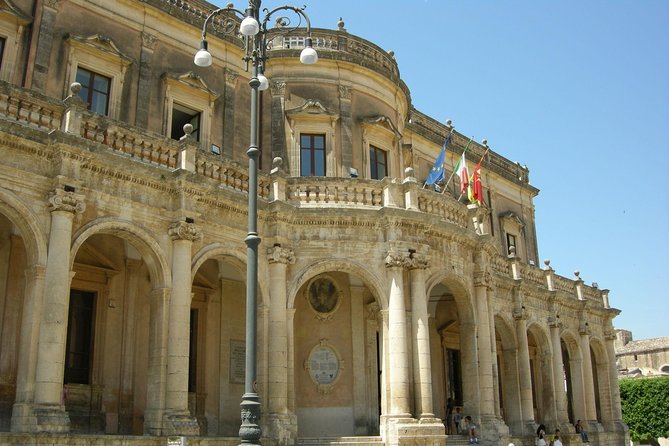
- Palazzo Ducezio in Piazza del Municipio
- The area around the Mother Church with the bishop’s palace and the Church of San Salvatore
- Nicolaci Palace, famous for its ornamental balconies that signal the Neo-Baroque style
This is where you’ll notice that Noto’s baroque feels different from baroque in cities like Rome. The look is lighter—those pale façades that people often call white baroque—and the town design pulls you down the main avenues so you keep catching new angles as you walk.
How to pace Noto without losing your feet
Because you’ve already walked in Neàpolis and Ortigia, Noto can feel like the “last push.” You’ll get the most out of it if you keep your pace flexible: walk faster through the big sight corridors when you’re fresh, then slow down when you find a façade or balcony detail you want to study.
If it’s a hot day, Noto can be tough in the sun. Wear light layers you can pull off, and treat breaks like part of the sightseeing, not something extra.
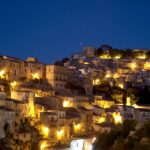
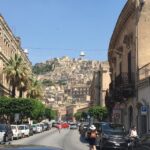
The baroque towns of Noto, Modica and Ragusa Ibla.


What makes this tour good value for the money
At $146.52 per person for about 9 hours, you’re paying for a tight geographic loop plus convenience. The value isn’t just that you see three places in one day—it’s that you don’t have to figure out the logistics between them.
Here’s where the price adds up:
- Private transportation reduces friction (and usually means less waiting around)
- A polyglot guide helps you connect the dots between Greek, medieval, and baroque eras
- Snacks and a tasting are included, so you’re not constantly paying for small extras
Also, the small group size (max 8) matters more than people expect. You can ask questions without feeling like you’re competing with a crowd, and it’s easier to keep your bearings on a day that includes walking through ruins and through historic streets.
That said, you do need to budget for what’s not included. The tour info says guides in the monuments and complete lunch aren’t included, and it also lists entrance tickets as not included. At the same time, the schedule line for each stop shows Admission Ticket Free. That’s why I recommend checking your booking details or voucher message carefully so you know exactly what you’ll pay for on the ground versus what’s covered.
Pace, comfort, and the one hiccup to plan for
The overall structure is a “see the key highlights” day:
- Neàpolis (about 1.5 hours)
- Ortigia walk + snack or lunch time (about 1 hour)
- Noto baroque walking (about 3 hours)
You’ll cover a lot of ground. Comfortable shoes are not optional. You’ll also be balancing different surfaces: archaeological paths in Neàpolis, cobbles and streets in Ortigia, and town walking in Noto. If you’re traveling with someone who tires quickly, plan for rest stops and water breaks like they’re part of the itinerary.
One operational consideration showed up in a real-world scenario: a parking problem during a G7-related event left the group without full guidance for about an hour in Ortigia until things were sorted out. That kind of thing doesn’t happen every day, but it’s a reminder that outdoor city touring can be affected by special events. If you’re the type who hates ambiguity, consider bringing offline maps for your own comfort.
Who this tour is best for
This works well if you want:
- A compact day that hits major highlights in three linked towns
- A guide who can explain what you’re seeing while you’re walking
- A mix of ruins + sea + baroque rather than three copies of the same style
It’s especially good for first-time visitors to Syracuse and Noto who want a smart overview without spending your day on trains and transfers.
If you’re someone who loves deep, slow museum time, you might find the stops brief. This tour is built for movement and big visual hits, not long, indoor study sessions.
Should you book Syracuse, Ortigia & Noto?
If you want a well-paced, highlight-heavy day with private transport, a small group, and stops that actually connect the story of Sicily—from Greek Syracuse to Ortigia’s layered sacred buildings to Noto’s white baroque—this is a strong pick.
I’d book it if:
- You can handle a day with lots of walking
- You like architecture you can see from different angles as you move
- You want included food moments (hot-table snack, water, Etna wine) so you’re not constantly hunting for meals
I’d think twice if:
- Your group has limited mobility and needs minimal walking
- You prefer flexible time and would rather explore Ortigia and Noto at your own speed
If you do book, pack for the sun, wear shoes that forgive uneven ground, and keep your expectations aligned: you’re getting a smart sampler of three unforgettable places, not a single-spot deep dive.
More Tour Reviews in Catania






More Baroque Noto, Modica and Ragusa

More Syracuse and Ortigia Days
After something different? More tours and day trips around Catania and eastern Sicily








Syracuse, Ortigia & Noto Day Trips, compared.
 ★ 4.6Syracuse, Ortigia, and Noto Tour with BrunchFrom $112404 reviews
 ★ 5.0Syracuse, Ortigia and Noto walking tour from CataniaFrom $129273 reviews
 ★ 4.7From Catania: Neapolis of Syracuse, Ortygia, and Noto TourFrom $130234 reviews
 ★ 4.4From Catania: Syracuse and Noto Culture and History TourFrom $80232 reviews
 ★ 3.9From Catania: Syracuse, Ortygia, and Noto Tour140 reviews
 ★ 4.7From Catania: Syracuse, Ortigia and Noto Full-Day TourFrom $113133 reviews
 ★ 4.5Siracusa,Ortigia and Noto TourFrom $12082 reviews
 ★ 4.5Siracusa – Ortigia & Noto TourFrom $26471 reviews
Browse the lists this tour appears in