
Reviewed · ETNA VOLCANO TOURS FROM CATANIA
Catania: Summit Craters from North Etna with 4×4 vehicles
North Etna is a different kind of workout.
This guided trek takes you from Piano Provenzana up to the summit craters of “Europe’s highest volcano,” with 4×4 vehicles doing the heavy lifting before your feet take over. I love the way the day is built around viewpoints at high altitude, then pivots to up-close volcanic details like gas vents and bright sulphur minerals. The biggest consideration: it’s not a casual stroll. You’re looking at a steep uphill climb and a sandy return that can feel intense if you’re not used to hiking.
I also really like how the guides focus on what’s happening on the volcano, not just where to stand for photos. On Etna’s North side, you’ll get that quiet, unhurried feeling, plus clear explanations along the way that make the summit feel real and close—especially around the Central Summit Crater area. Still, the tour isn’t for everyone: it’s not recommended for people with breathing issues or other serious medical conditions, and it’s not suitable for children under 10 or pregnant women.
In This Review
- Key points worth knowing before you go
- Entering North Etna from Piano Provenzana
- The 4×4 climb to the Observatory platform (and why it helps)
- The main hike: 5 km uphill toward the Central Summit Crater
- What you’ll see at 3,300m: fumaroles and bright sulphur minerals
- The descent: sandy channels and a different kind of footwork
- Timing, pace, and why you should dress for wind
- What’s included (and what you still need to pay)
- Who this tour suits best (and who should skip it)
- The guide experience: serious help when the terrain gets real
- Price and value: is it worth it for Etna summit craters?
- Should you book this Etna summit crater hike?
- FAQ
- Where does the tour start?
- How long is the excursion?
- How much walking is involved?
- How high do you go?
- Is the tour good for beginners?
- What’s included in the price?
- What extra cost is required for the 4×4?
- What should I bring?
Key points worth knowing before you go
- Small group (up to 10) keeps the pace and guidance feeling personal, especially at altitude.
- 4×4 to high elevations gets you from the volcanic road to the Observatory area without burning your energy early.
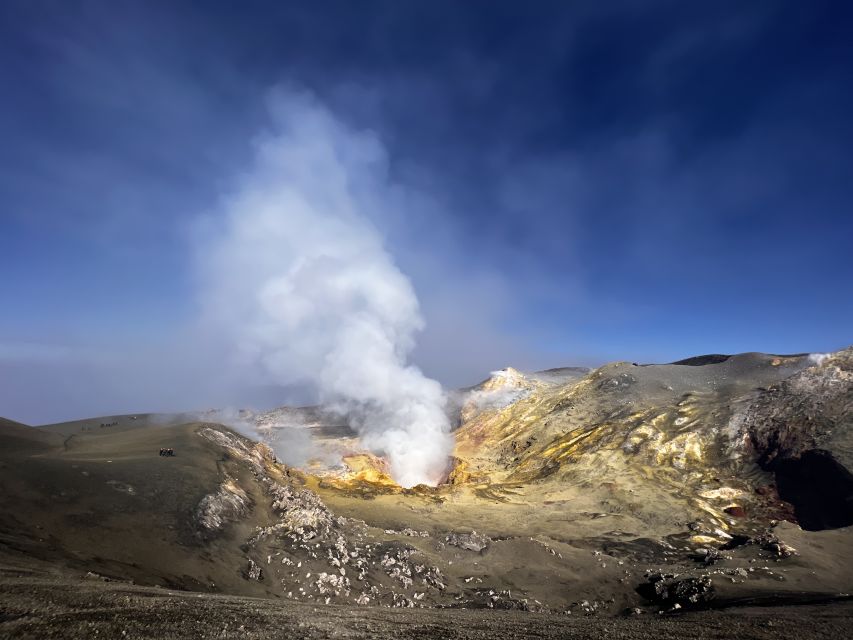
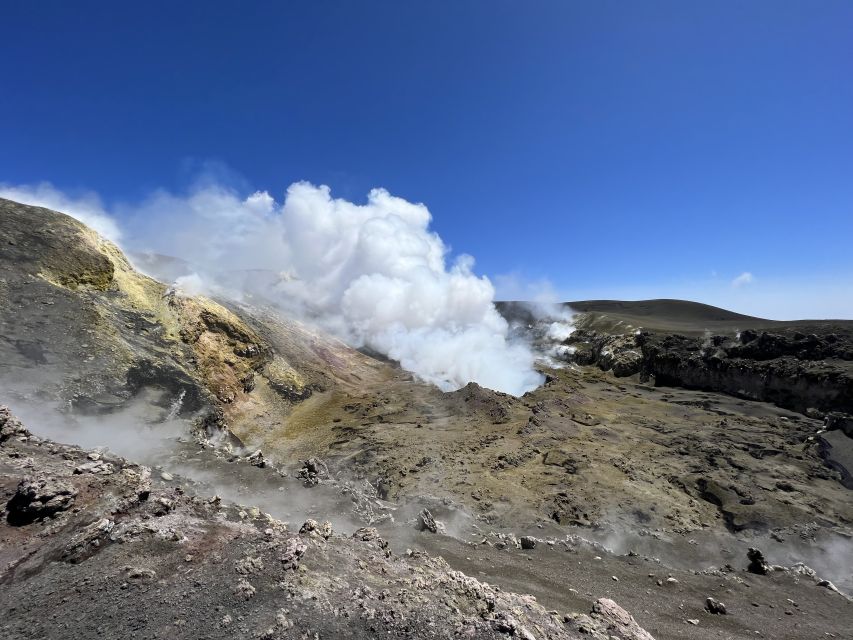
- Central Summit Crater viewpoints at 3,300m put you right by fumaroles and sulphur mineral deposits.
- About 1h30 uphill and 1h30 down means you should plan for real effort, not just sightseeing.
- North-side Etna vibe is calmer and less crowded, with big, open views from the summit area.
- Cold at altitude even in summer is a genuine factor; bring warm layers.
Entering North Etna from Piano Provenzana
The day starts at Piano Provenzana, on Etna’s North side, with the tour meeting at 8:00am. That early start matters. At altitude, the weather can move fast, and going sooner gives you a better shot at clearer conditions. It also helps with the tempo of the climb—your body has less time to overheat before you hit the cooler air near the summit zone.
I like that this tour is specifically framed around the North side of Etna. The North area is often quieter than other zones, and that quiet makes a difference: you can actually pay attention to the ground under your boots and the volcanic signs around you. One review even highlighted how the North side felt peaceful while still delivering big views.
If you’re the type who wants your volcano experience to feel grounded—literally—this starting point sets you up well.
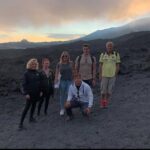
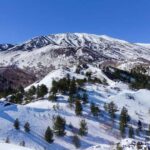
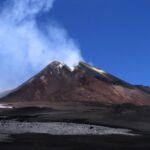
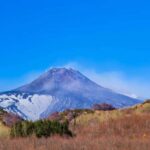
Back up the volcano, with Etna smoking above Catania.
The 4×4 climb to the Observatory platform (and why it helps)
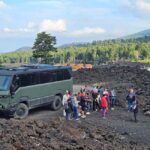
After meeting in Piano Provenzana, you’ll depart from about 1,800m. The route uses off-road 4WD vehicles along a volcanic road that passes through vegetation and unique plants. You’re not just riding; you’re transitioning from “drive to the volcano” into “work your way up the volcano.”
The first major stop is the Observatory panoramic platform at around 2,800m. This is a key moment in the itinerary because you’ll get high enough to feel the altitude shift, but not so high that you’re already exhausted. It’s a smart design if you’re worried about stamina. You reach a good altitude baseline, then the hike starts.
Practical note: the tour provides some gear (more on that later), but a ride on a windy volcanic platform can still feel cold. Even if the morning is warm, altitude weather is its own thing.
The main hike: 5 km uphill toward the Central Summit Crater
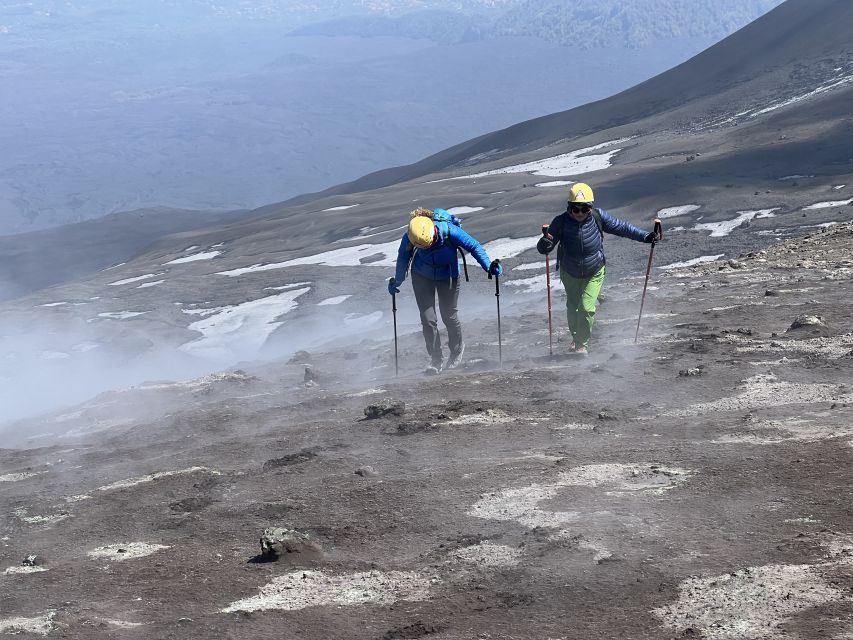
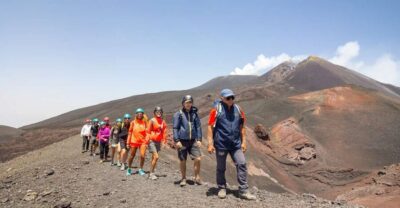
Once you’re at the Observatory area, the walk begins: about 5km uphill, with a total uphill gain around 500m. Expect around 1h30 uphill, depending on the group pace. The trail is described as a “lunar landscape,” and that’s accurate in a functional way: the ground can be loose, the terrain looks stark, and your muscles work differently than on normal forest trails.
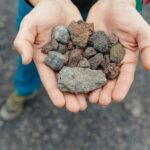
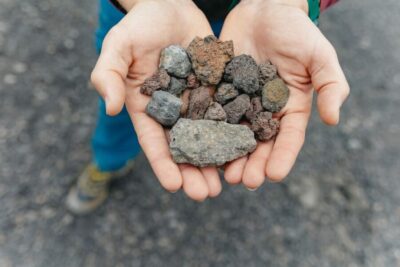
The route goes sideways up toward the summit zone, passing things like massive bombs and slag—volcanic material shaped by earlier eruptions. I like this part because it makes the volcano feel physical. You’re not just looking at Etna; you’re walking through the evidence.
There’s also a mental rhythm to this hike. You’ll likely do better if you treat it like intervals: steady steps uphill, brief breath checks, and listening for guide explanations when you’re not straining. One review called it a strenuous walk with regular breaks and explanations, and that matches what this itinerary is built for.
What you’ll see at 3,300m: fumaroles and bright sulphur minerals
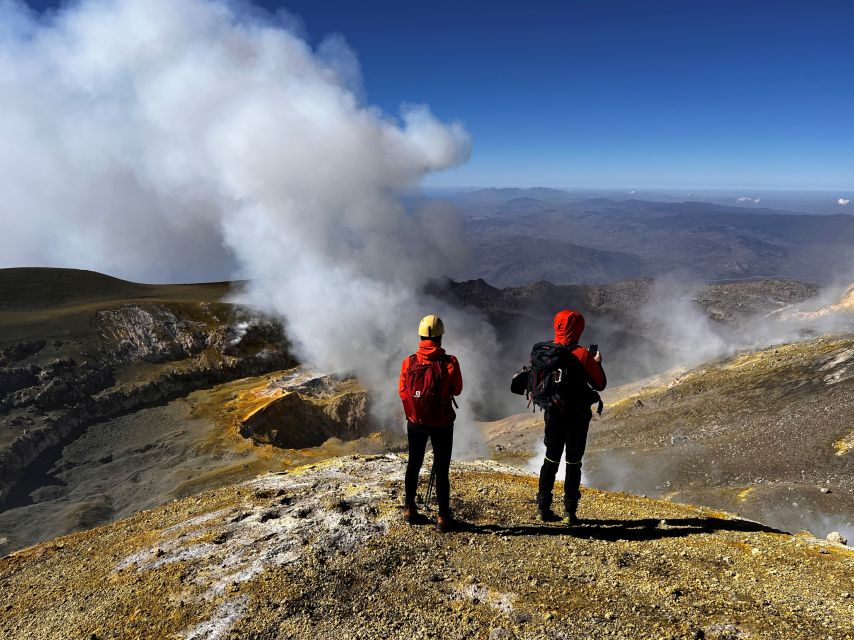
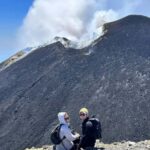
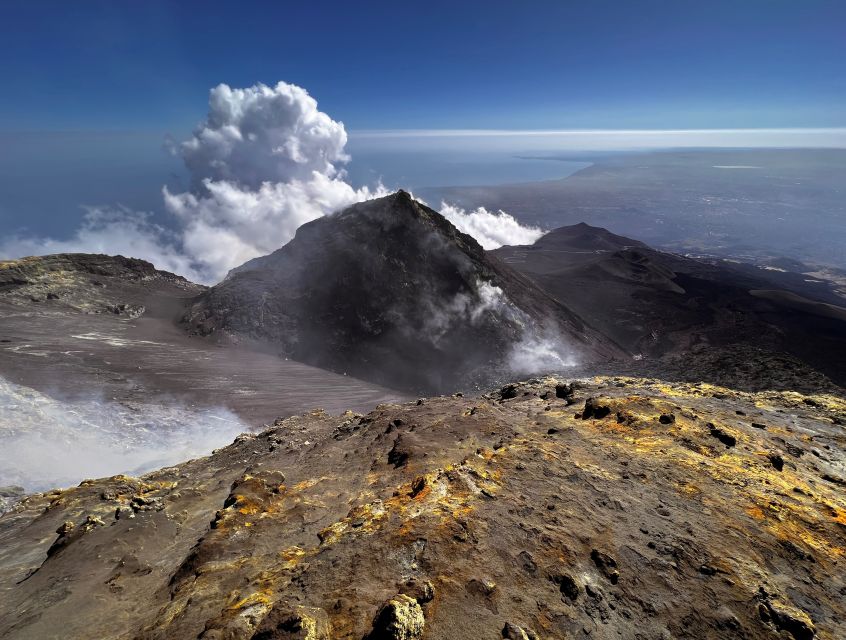
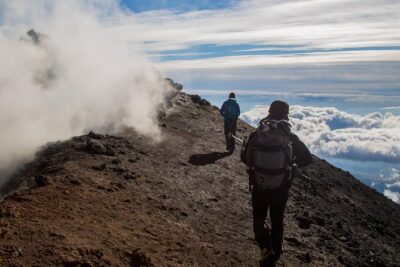
The highlight here is the summit crater zone, especially around the edge of the Summit Central Crater at about 3,300m. This is where the volcano shows you its active side, with gas emissions, fumaroles, and bright sulphur mineral deposits.
This matters because it changes the experience from scenery to science-in-action. You’re seeing what the volcano is doing now, not only what it did long ago. The day’s wording emphasizes the feeling of reaching the point where destructive and creative forces meet—meaning you get a sense of both danger and natural power.
And yes, the views are huge. Another review specifically said the view was magnificent and that seeing the craters is unique and rare. I’d frame it like this: even people who aren’t “volcano nerds” usually walk away remembering the way Etna looks from above—plus the unmistakable volcanic smells and visual cues around the fumaroles.
If wind is up (common at altitude), you may want to pause only briefly at the crater points, then move on with purpose. Your best photos usually come when you keep your body warm and your timing sharp.
The descent: sandy channels and a different kind of footwork
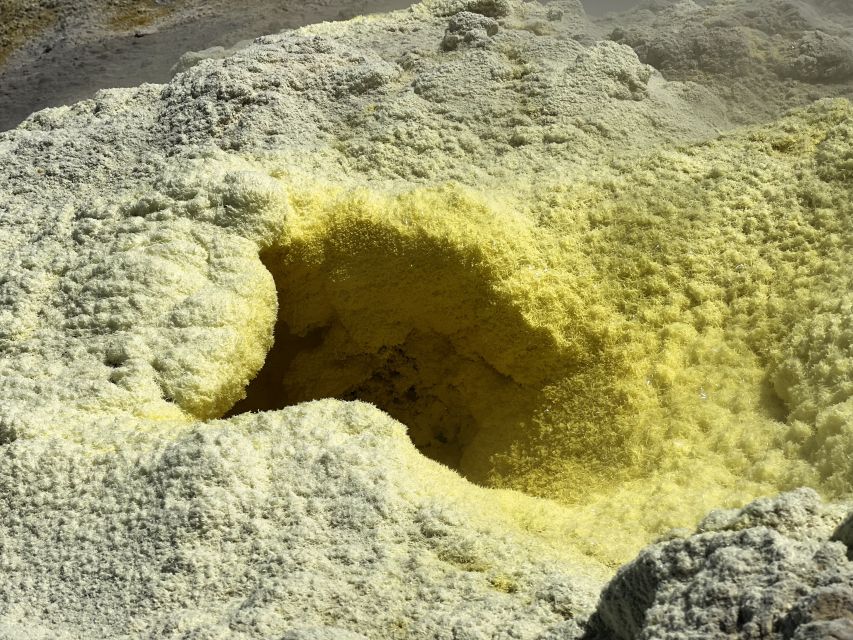
After reaching the top area, your expert guide supports you on the descent. This is where the hike often surprises people. The uphill work gets attention, but the downhill is its own skill set.
The return walk is about 1h30 and goes through a sandy channel with interesting volcanic spots along the way. That sandy texture can slow you down and make footing feel less stable than you’d expect. Even when you’re not technically “struggling,” you’ll probably walk more cautiously.
I appreciate that the itinerary keeps you moving after the summit instead of turning it into a long waiting game. In a crater environment, time and weather matter. Getting off the summit zone with a guide and a plan helps you stay comfortable and safe.
When you’re back at the Observatory in Pizzi Deneri, you’ll head down to Piano Provenzana by off-road 4WD vehicles.
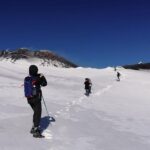
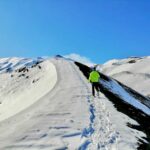
Higher up Etna on foot, towards the summit craters.
Timing, pace, and why you should dress for wind
Even in summer, altitude can feel cold and windy. One review warned that there can be a lot of wind at altitude and emphasized bringing warm clothing even during warmer months. I’d take that advice seriously.
The walking duration is about 3 hours total depending on group rhythm, while the full excursion is about 5 hours. That’s a good amount of time for a summit experience—but it’s not a short half-hour “Etna snack.”
This tour also is only recommended for people in decent physical condition. It’s not labeled as a gentle stroll. Reviews describe it as steep and requiring preparation. If you usually hike on uneven trails and feel comfortable with elevation, you’ll likely enjoy it. If you mostly do flat walking, you may find the terrain demanding.
A simple strategy: plan your day around the hike. Don’t schedule a long drive immediately afterward unless you know you handle post-hike fatigue well.
What’s included (and what you still need to pay)
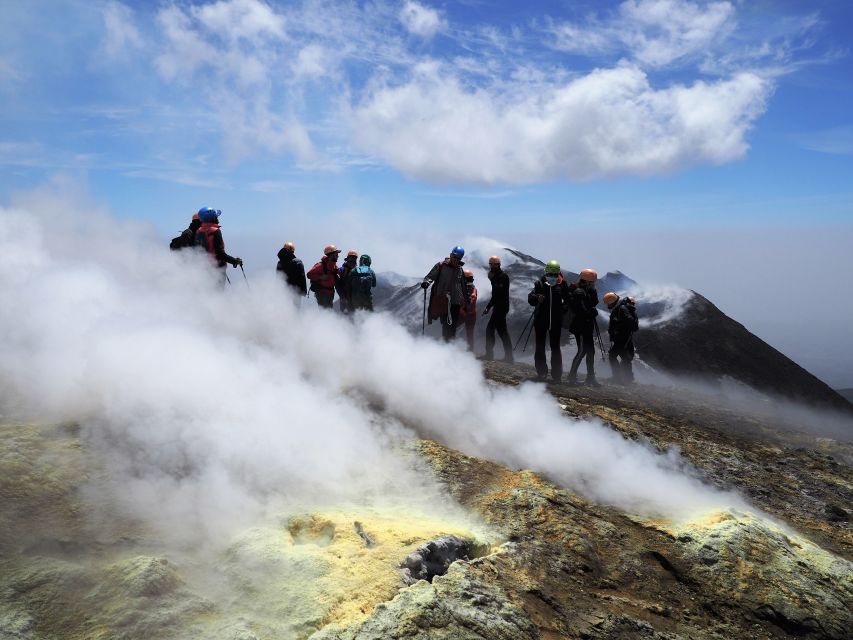
This tour includes:
- Certified guide
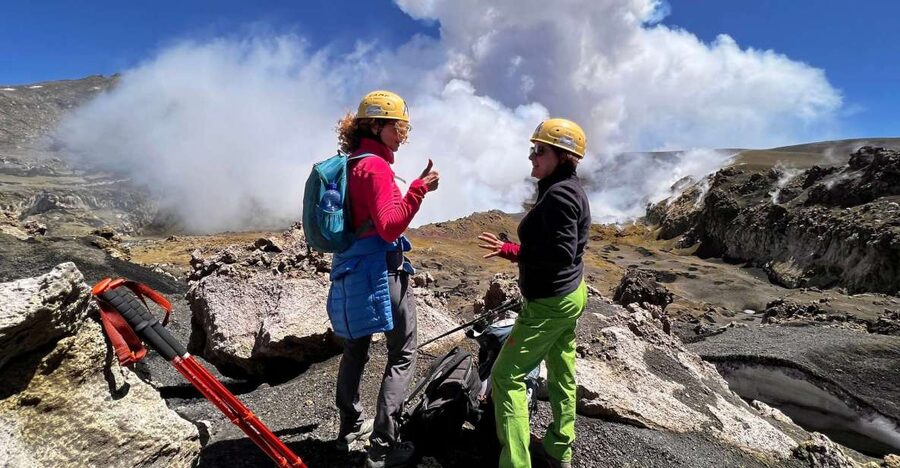
- Helmet
- Walking sticks
- Hiking shoes
- Jacket
- Assurance
That’s a practical value package. The shoes, jacket, and helmet take some of the worry out of showing up prepared. If you travel light, that matters.
What’s not included is the roundtrip 4×4 ticket at €60, paid on the day in cash or by credit card. So while the listed price is part of what you pay in advance, you should budget for the extra €60 if you want the full day transportation.
Also not included: food and drinks. The tour guidance asks you to bring a packed lunch. Bring water too, even if you’re only eating at one main break—high-altitude exertion makes you thirsty.
Who this tour suits best (and who should skip it)
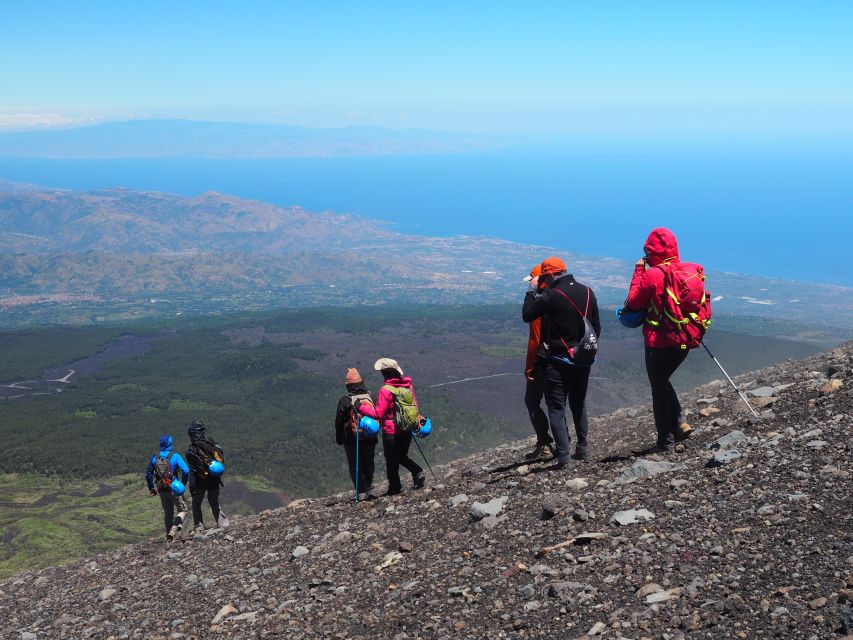
This is best for you if:
- You can handle steep climbs and loose volcanic terrain.
- You like your guides focusing on what you’re seeing at the volcano.
- You want a small-group day on Etna’s North side, with time at the summit craters.
It’s not suitable for:
- Children under 10
- Pregnant women
- People with heart problems
- People with respiratory issues
That isn’t just legal fine print. Altitude plus exertion plus volcanic conditions can be a tough combination if you have breathing limitations. If you’re on the fence, it’s worth checking with your doctor before choosing a summit hike like this.
The guide experience: serious help when the terrain gets real
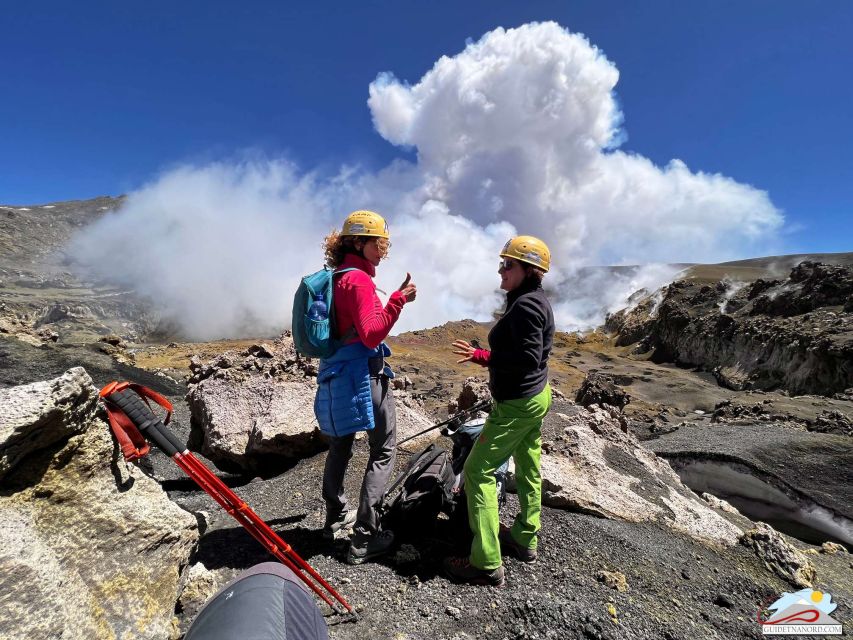
The tour runs with a certified guide team, and you’ll see support where it counts: choosing safe footing, managing pacing, and explaining the volcanic features as you reach them.
One review singled out Gracia for exceptional guidance and support during the climb, with helpful trust in the team on site. That’s the kind of detail that tells you something important: you’re not left to guess your way through crater terrain.
When guides are strong, the hike feels less like a struggle and more like a controlled progression—up to the crater edge, then down safely through the sandy channel.
Price and value: is it worth it for Etna summit craters?
At $67.97 per person (plus the €60 roundtrip 4×4 ticket paid on the day), you’re paying for guided crater access, summit-side hiking support, and included gear like boots and a jacket. The overall value depends on how you travel.
If you don’t want the hassle of sourcing your own winter-ish layers, shoes, and climbing aids, the included kit is a real savings in both money and stress. If you’re traveling as a small group, the cap of 10 participants also helps keep the experience from feeling rushed.
If you already own quality hiking boots and you hike regularly at elevation, you might feel the value is more about the guide and route than the gear. Either way, the core appeal remains the same: reaching the summit crater zone around 3,300m and seeing fumaroles and sulphur minerals with context.
Should you book this Etna summit crater hike?
Book it if you want a true Etna summit walk on the North side, with small-group guidance, clear explanations, and a route that gets you from Piano Provenzana to crater terrain without wasting your energy too early. Plan to dress for wind and move steadily, because the hike is steep and the descent is sandy.
Skip it if you’re dealing with respiratory limitations, heart conditions, or if the idea of climbing about 500m uphill feels beyond your comfort zone. Also skip it if you hate being cold at altitude; even in warmer months, the wind near high points can be noticeable.
If you can meet the physical demands, this is the kind of experience that leaves you with one lasting memory: the summit craters up close, not just in pictures.
FAQ
Where does the tour start?
The meeting point is in Piano Provenzana (North Etna) at 8:00am.
How long is the excursion?
The total excursion time is about 5 hours, including the walking time.
How much walking is involved?
Walking time is about 3 hours total, with roughly 1h30 uphill and 1h30 on the descent.
How high do you go?
You reach an area around 2,800m for the panoramic platform, then the summit crater area is around 3,300m.
Is the tour good for beginners?
It’s not described as an easy walk. The hike includes steep climbing and volcanic terrain, so it’s best if you’re in good physical condition and comfortable on rough ground.
What’s included in the price?
The tour includes a certified guide, helmet, walking sticks, hiking shoes, a jacket, and assurance.
What extra cost is required for the 4×4?
The roundtrip 4×4 ticket costs €60 and must be paid on the day, either cash or credit card.
What should I bring?
Bring hiking shoes, a jacket, long pants, and a packed lunch.
More Tour Reviews in Catania
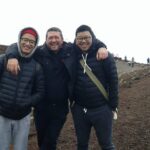
More Etna Summit Hikes and Treks
More Etna Volcano Tours from Catania
After something different? More tours and day trips around Catania and eastern Sicily


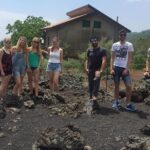
Etna Volcano Tours from Catania, compared.
 ★ 4.8Mount Etna Morning or Sunset Day Trip with TastingFrom $704,028 reviews
 ★ 4.7Guided Volcano Summit Hiking Tour with Cable CarFrom $1243,784 reviews
 ★ 4.8Sunset Jeep Tour of Mount Etna and Lava Flow CavesFrom $712,113 reviews
 ★ 4.8Etna and Alcantara Gorges Full-Day Tour with LunchFrom $1051,766 reviews
 ★ 4.7Etna Volcano: South Side Guided Summit HikeFrom $671,545 reviews
 ★ 4.8Guided Trek 3,000 Meters to the SummitFrom $1131,407 reviews
 ★ 4.9Mount Etna Trekking Trip off the Tourist PathFrom $781,351 reviews
 ★ 4.8Etna Sunset Tour with Pickup and Drop-offFrom $711,348 reviews
Browse the lists this tour appears in