
Reviewed · CATANIA COOKING CLASSES WITH A LOCAL
Cesarine: Home Cooking Class & Meal with a Local in Catania
One night in Sicily can change your cooking forever. This private class in Catania lets you work at a home workstation and sample three traditional dishes with wine. I like the fact that you get a personal group setup, not a conveyor-belt demo, and that you walk away with practical know-how (not just compliments). One thing to consider: this is inside someone’s home, so expect a more intimate setup than a commercial kitchen.
The best part for me is the human touch. I’ve seen hosts like Maurisimo teach with real personality and Fernanda’s family make the whole process feel welcoming and clear, then guide you back on time. You’ll also appreciate the included equipment, ingredients, and wine, so you’re not paying extra for the fun bits. Still, the experience hinges on that local home setting—so you’ll want to be comfortable with close, indoor cooking and following the sanitary guidance.
In This Review
- Key things to know before you book
- A Catania home-cooking class that actually teaches you
- What you’ll make: the Catania menu in plain language
- Starter: seasonal and local
- Main: fresh pasta plus one of the Catania pasta roads
- Dessert: choose your sweet ending
- The rhythm of the 3 hours: how the class stays fun
- The home cook factor: why a private class hits differently
- Clean and careful: what the sanitary guidance means in practice
- Price and value: is $174.60 really fair?
- Who this class suits best (and who might want to skip)
- How to get the most out of your cooking session
- Should you book Cesarine Home Cooking Class in Catania?
- FAQ
- What’s included in the class?
- What dishes will I make and eat?
- How long is the cooking class?
- Is the tour offered in English?
- Is it private?
- What is the cancellation policy?
Key things to know before you book
- Private class in a local home for just your group, not mixed with strangers
- Cook at your own station and sample what you make, typically across three dishes
- Wine and full ingredient coverage are included, so the experience feels complete
- Catania dishes with real options (spaghetti alla carrettiera, pasta alla Norma, or pasta with sardines)
- Hosted in English with a home cook who explains what you’re doing and why
- Sanitary care and spacing rules are part of the visit, with supplies provided in the home
A Catania home-cooking class that actually teaches you
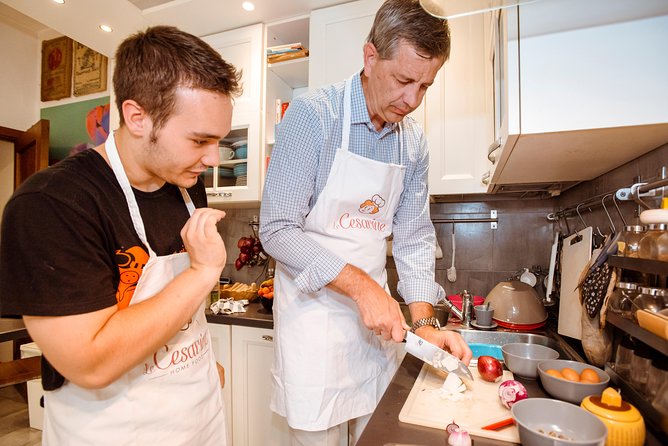
Catania cooking has a certain confidence. It’s not fussy, and it’s not shy about flavor. In this class, you’re not standing at the edge of the room holding a camera and hoping something interesting happens—you’re actively making the food.
What makes it worth your time is the combination of a private group experience and hands-on instruction. You’ll get a workstation to work from, you’ll prepare multiple dishes, and you’ll taste the results while you’re still in the middle of the action. That’s how you learn: your hands do the work, and your brain files it away fast.
This is also a good value model for people who like to eat well without turning the day into a food sprint. You pay once, and the class includes the equipment, ingredients, and wine, which usually cuts down on the hidden extras that pop up in other food experiences. For a 3-hour session, that matters.
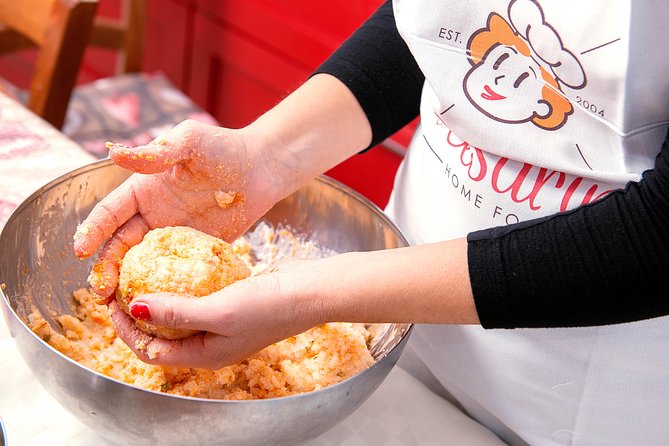
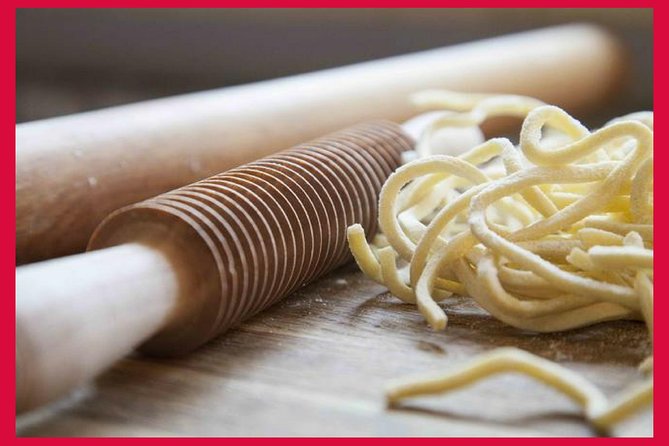
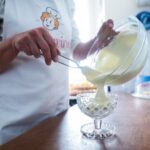
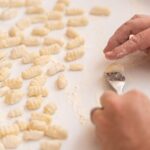
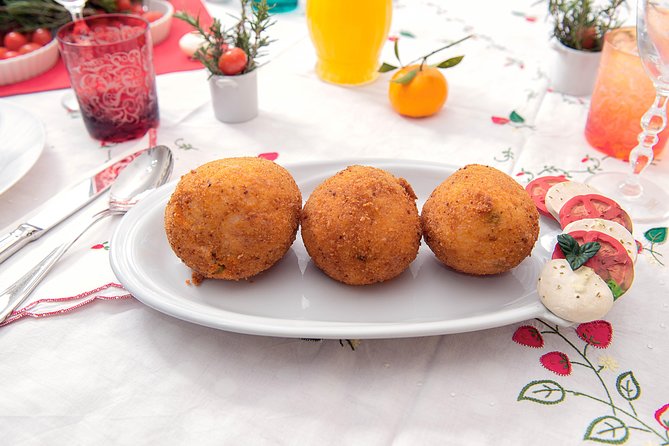
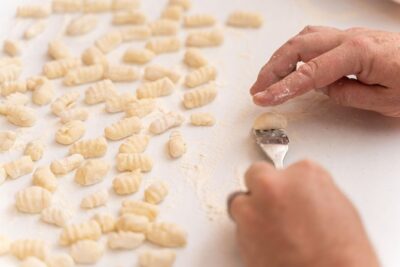
Rolling pasta and arancini in a local Catania kitchen.


What you’ll make: the Catania menu in plain language
The class menu is built around a starter, fresh pasta, and dessert. You’ll cover enough ground to get a full meal feeling, but not so much that you spend the whole time waiting for someone else’s timing.
Starter: seasonal and local
You’ll start with a seasonal starter. The idea here is that you’re eating what fits the season in Catania right now, not just a rigid tourist-friendly script. Expect it to be simple in structure but smart in technique—think ingredients that taste like the market, not like a restaurant menu.
This also sets you up for the pasta portion, because you’ll learn the kitchen rhythm: prepping, seasoning, and how the host explains flavor choices. If you’re the kind of person who wonders why a dish tastes the way it does, pay attention during the starter stage. Many of the key habits show up early.
Main: fresh pasta plus one of the Catania pasta roads
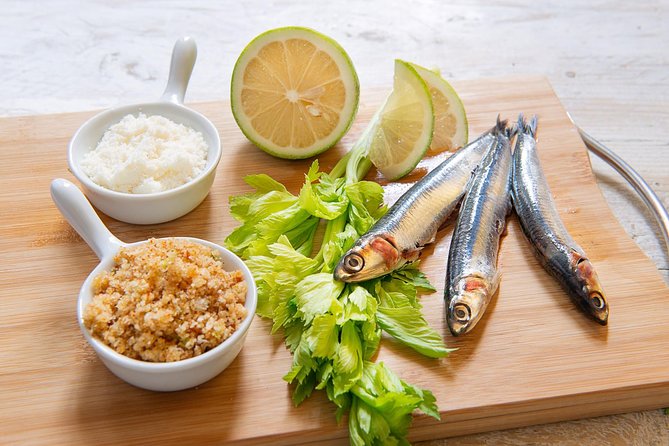
The main focus is fresh pasta, and then you’ll prepare a specific pasta route from the options. You may make spaghetti alla carrettiera, pasta alla Norma, or pasta with sardines. Any of these can be a great choice, because they represent different Sicilian personalities—sweet-and-savory eggplant comfort, coastal flavors, or classic street-food-style pasta energy.
Here’s how to think about it as a cook (and not just a diner): the “pasta part” is where you’ll likely learn the practical moves—how to handle dough, how you build sauce flavor, and how timing affects texture. And because you get to work at your own workstation, you’re more likely to remember what your hands are doing instead of trying to copy a moving target.
If pasta is your top motivation, this class delivers. If dessert is your top motivation, you still get a real main first—so you’re not skipping the hard part and only chasing sugar.
Dessert: choose your sweet ending
Dessert is a Sicilian classic, with options that may include cannoli siciliani, cassata, almond pastries, tiramisu, or a similar typical dessert. The format gives you something familiar enough to appreciate immediately, but specific enough that it doesn’t feel generic.
In other cooking classes, dessert can feel like an afterthought. Here, dessert is part of the meal arc. You’ll finish with something that makes sense after the pasta—creamy, almondy, or coffee-kissed depending on what you’re making.
More hands-on Catania experiences to try.


The rhythm of the 3 hours: how the class stays fun
This is designed to be a complete experience in about 3 hours. That’s long enough to learn real skills, but short enough that you keep your energy and appetite.
You start in Catania, and the activity ends back at the meeting point. That’s not just convenient—it helps you mentally stay relaxed. You’re not trying to squeeze this into the last hour before dinner reservations, and you’re not making extra transit plans just to get home.
Because it’s private, your group gets a smoother flow. One host can teach at your pace, ask if something isn’t clear, and adjust explanations. That matters more than people think. When the food is good, it can still be frustrating if you don’t understand why. In the better moments, you’ll hear your host connect technique to taste.
I really liked what comes through from hosts like Maurisimo: personable delivery and clear teaching. Fernanda’s family also made the experience feel like you were joining a kitchen plan, not sitting through a script. Chef Angela’s class in her home was described as special and memorable for exactly that reason—she made it feel personal, not packaged.
The home cook factor: why a private class hits differently
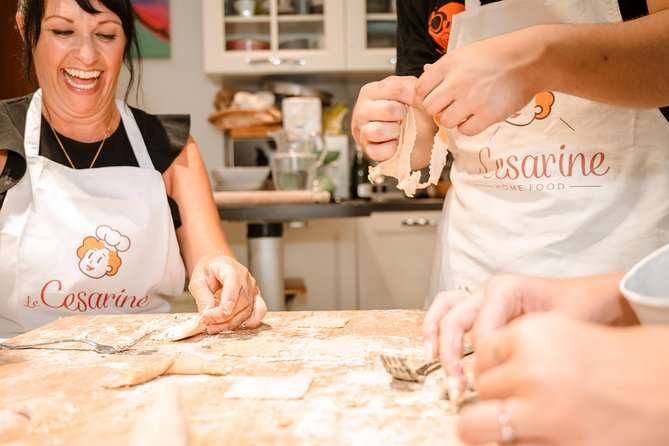
These classes run through Cesarine, and the promise is that you’re hosted by a local in their own home. That changes the vibe right away. Kitchens in regular homes are smaller, calmer, and more real. You’ll see tools that make sense, ingredients in everyday packaging, and techniques that weren’t invented for tourists.
You should expect a host who’s ready and thrilled to host you, plus attention to the little teaching details. When someone cooks at home every day, they don’t just know the steps—they know where things go wrong. That’s the value. You don’t just learn what to do; you learn what to watch for.
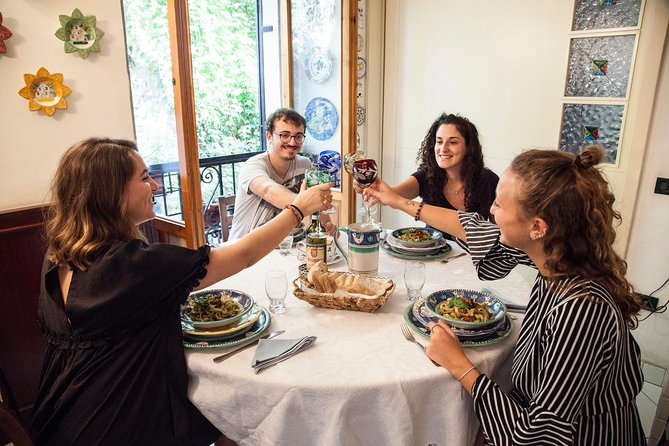
And yes, you’ll get wine with the meal. That’s a simple inclusion, but it helps you enjoy the class while you’re still learning. You’re not rushing through food like it’s homework. You’re tasting, reacting, and getting better context for what flavors you just built.
Clean and careful: what the sanitary guidance means in practice
The experience includes specific sanitary guidance, even in normal conditions. The home provides essential sanitary equipment like paper towels for handwashing and hand sanitizing gel. You’re also asked to maintain 1 meter distance where possible, and if distancing isn’t possible you should wear masks and gloves.
This isn’t just paperwork. It affects how you move around the kitchen, how close you’ll stand at stations, and how the host manages the flow. The good news is that you’re not responsible for figuring out the sanitation plan—you’ll have what you need in the home.
Practical tip: wear something comfortable that lets you shift easily between washing, station work, and tasting. Kitchens can get busy even when you’re not in a crowd.
Price and value: is $174.60 really fair?
At $174.60 per person for about 3 hours, this isn’t the cheapest meal you’ll have in Sicily. But it doesn’t try to be.
The value comes from what’s bundled:
- cooking equipment and ingredients
- wine included
- instruction from a home cook
- a meal you actually eat, built from what you made
- a private setup for just your group
If you compare this to doing a cooking class plus buying separate dinners, drinks, and kitchen supplies elsewhere, the numbers start to make sense. The time is also a factor. Three hours is long enough to matter and short enough to fit into a real travel day.
One more value angle: you’re paying for the chance to learn a repeatable skill. If you’ll recreate even one pasta technique at home—how to build sauce flavor, how to time elements, how to assemble a dish—this can feel like more than an evening out.
Who this class suits best (and who might want to skip)
I think this works best for:
- food-first travelers who want hands-on learning, not just tasting
- couples and small groups who like private attention
- anyone hoping to recreate Sicilian dishes back home and wants clearer steps
It may not be ideal if:
- you need a very formal, restaurant-style environment
- you dislike cooking experiences in small spaces
- you’re looking for a big public-photo scene rather than conversation and technique
Because it’s offered in English, language won’t be your main barrier. The bigger question is whether you’ll enjoy getting your hands involved and eating what you made right there in the home.
How to get the most out of your cooking session
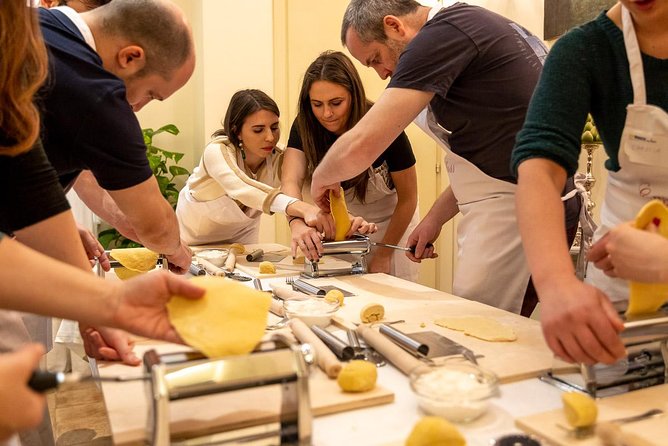
You’ll get more from this class if you treat it like a skill workshop. Here are a few ways to maximize your return:
- Ask why each step matters, especially during the pasta-making stage. The “why” is what makes home practice easier.
- Watch the host’s pacing. Great cooks manage timing without drama, and you’ll see it happen.
- When you sample, take one minute to notice the flavor changes. Are you tasting freshness, salt, acidity, or richness?
- If you’re going to recreate it later, focus on the backbone technique first, not the final plating.
Also: since the class uses local Catania dish options (like pasta alla Norma or pasta with sardines), be open to whichever route you get. You’re still learning the same cooking logic, just expressed through different Sicilian flavors.
Should you book Cesarine Home Cooking Class in Catania?
I’d book it if you want an experience that feels like a real meal with real instruction. The private group, hands-on setup, and included ingredients and wine make it feel complete. Plus, the home-cook style teaching shows up in the way hosts like Maurisimo, Fernanda, and Chef Angela are described—warm, personable, and focused on making sure you get it.
Skip it if you only want a quick tasting without cooking or if a home-kitchen setting will feel too tight. This isn’t about being a tourist in a showroom; it’s about learning in someone’s everyday space.
FAQ
What’s included in the class?
You’ll get cooking equipment, ingredients, and wine. You’ll also cook and then sample the dishes made during the class.
What dishes will I make and eat?
The class includes a seasonal starter, a fresh pasta main, and a Sicilian dessert. The pasta options may include spaghetti alla carrettiera, pasta alla Norma, or pasta with sardines, and the dessert may be cannoli siciliani, cassata, almond pastries, tiramisu, or a similar typical dessert.
How long is the cooking class?
It’s about 3 hours.
Is the tour offered in English?
Yes, it’s offered in English.
Is it private?
Yes. It’s a private tour or activity, and only your group participates.
What is the cancellation policy?
You can cancel for a full refund up to 24 hours before the experience starts. Free cancellation is offered.
More Catania Workshops
More Tour Reviews in Catania






More Catania Cooking Classes
After something different? More tours and day trips around Catania and eastern Sicily











Catania Cooking Classes with a Local, compared.
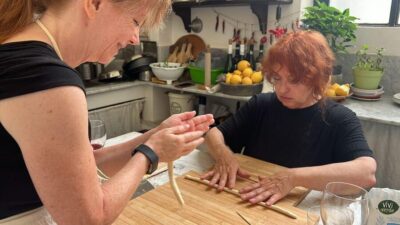 ★ 4.7Pistachio Ravioli, Pasta Home Cooking Class w/ WineFrom $100204 reviews
 ★ 5.0Cooking lesson in Catania with lunch or dinnerFrom $119154 reviews
 ★ 5.0From Catania: Private/Guided Godfather with Appetizer and PastaFrom $34242 reviews
 ★ 5.0Market Tour and Cooking Class with Chef RiccardoFrom $16940 reviews
 ★ 4.8Pasta & Tiramisu Cooking Class at a Local’s HomeFrom $11239 reviews
 ★ 5.0Private Catania Pasta-Making Class in a Local Home by CesarineFrom $17427 reviews
 ★ 4.8Cooking Class Arancini in Catania20 reviews
 ★ 4.9Pizza Cooking ClassFrom $10118 reviews
Browse the lists this tour appears in